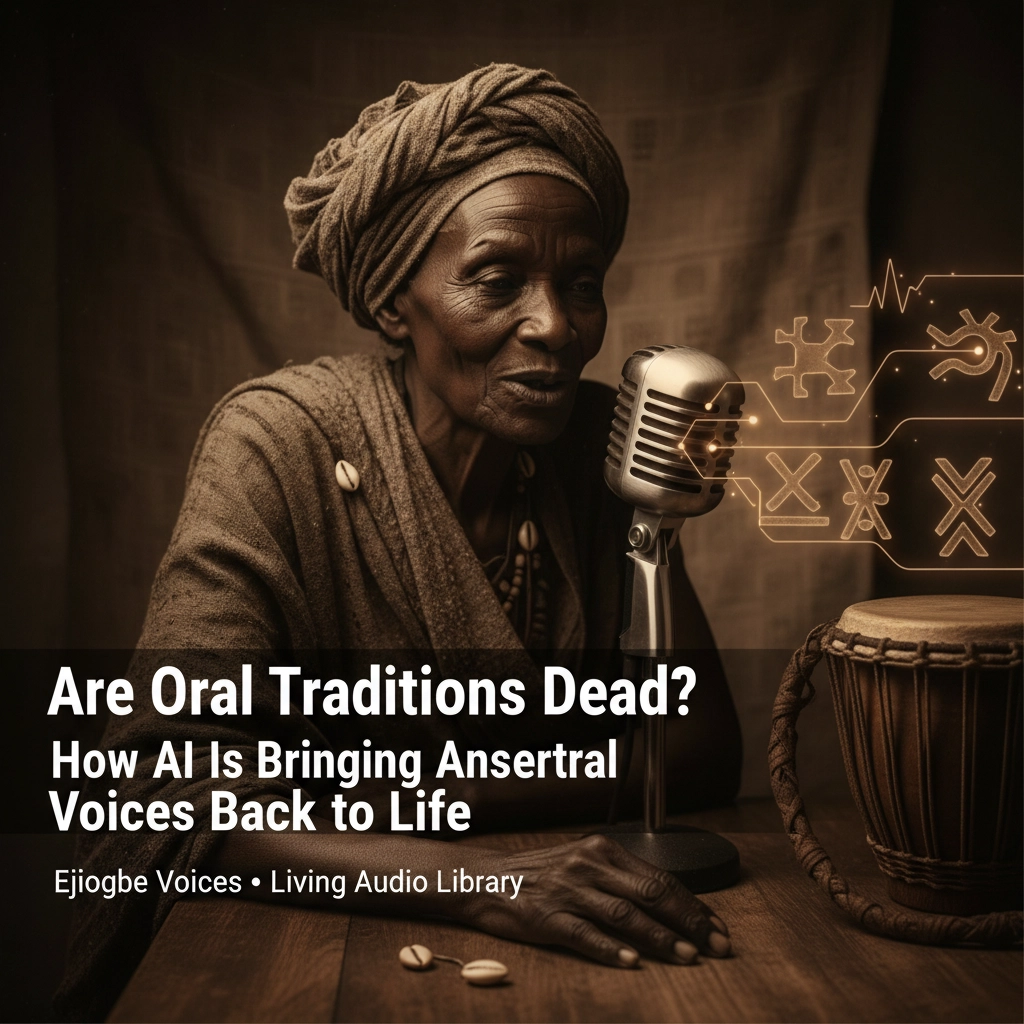


In an era where algorithms predict our next purchase and artificial intelligence shapes our daily interactions, a quiet revolution is unfolding. Young people across the globe are becoming the unexpected guardians of ancestral wisdom, wielding smartphones and social media platforms not to abandon tradition, but to breathe new life into it. Their journey represents more than technological adoption: it embodies a sacred trust between generations, where ancient voices find modern channels to ensure cultural continuity.
The Bridge Between Worlds
Young people occupy a sacred space between two worlds: they are digital natives fluent in the language of technology, yet they remain cultural inheritors carrying the responsibility of preserving ancestral knowledge. This unique positioning makes them irreplaceable bridges connecting past and future, tradition and innovation.
Unlike previous generations who viewed technology and tradition as opposing forces, today's youth understand them as complementary tools for cultural preservation. They recognize that a grandmother's lullaby shared through TikTok reaches more ears than one sung only within family walls, and that traditional recipes documented on Instagram create permanent records that transcend geographical boundaries.

Their natural digital fluency allows them to navigate platforms that elders may find challenging, while their deep respect for cultural heritage ensures that technological tools serve wisdom rather than replace it. This balance creates unprecedented opportunities for cultural transmission, where young people become both students and teachers, receivers and transmitters of ancestral knowledge.
Digital Fluency Meets Ancient Wisdom
The convergence of digital literacy and cultural appreciation creates powerful preservation possibilities. Young people possess an intuitive understanding of how online communities form, how viral content spreads, and how digital storytelling can capture attention across diverse audiences. When applied to cultural preservation, these skills transform isolated traditions into global conversations.
Consider the Digital Bayanihan program in Quezon City, where young Filipinos use video calls to connect with elders who teach traditional crafts, songs, and stories. This initiative demonstrates how technology bridges generational divides while ensuring cultural knowledge transfers effectively. The program's success lies not just in its technological implementation, but in its recognition that young people serve as essential cultural ambassadors, translating ancient wisdom into contemporary formats without losing its essence.
Social media platforms become stages where traditions perform for global audiences. When young people share traditional dances on TikTok, create hashtags celebrating cultural festivals, or develop Instagram accounts dedicated to preserving indigenous recipes, they transform passive cultural observation into active community engagement.
Creative Innovation in Cultural Transmission
The most remarkable aspect of youth-led cultural preservation lies in their creative approaches to tradition transmission. They understand that preservation requires more than documentation: it demands innovation that makes ancient practices relevant and accessible to contemporary audiences.
Language revitalization efforts exemplify this innovation. Young people develop mobile applications that gamify traditional language learning, creating interactive experiences where users collect points for mastering ancestral vocabulary or unlock levels by completing traditional storytelling challenges. These approaches make cultural education engaging while maintaining linguistic authenticity.

Similarly, traditional crafts find new expressions through online tutorials, virtual workshops, and collaborative projects. Young artisans share time-lapse videos of traditional pottery techniques, create step-by-step guides for ancestral weaving patterns, and organize online challenges that encourage peers to recreate traditional artwork. These initiatives ensure that hands-on cultural knowledge doesn't disappear with its original practitioners.
Digital storytelling platforms provide creative outlets for sharing traditional tales, allowing young people to blend ancestral narratives with contemporary presentation techniques. Through podcasts, video series, and interactive websites, ancient stories reach audiences who might never encounter them through traditional channels.
Intergenerational Collaboration: Wisdom Meets Innovation
The most successful cultural preservation efforts emerge from genuine collaboration between generations, where elders provide authentic knowledge while young people contribute technological expertise. This partnership creates synergistic relationships that benefit both participants and the broader cultural community.
Elder wisdom carries irreplaceable authenticity: the subtle intonations of traditional songs, the precise movements of ceremonial dances, the contextual knowledge that gives meaning to cultural practices. Young people provide the technological skills necessary to capture, preserve, and share this wisdom with broader audiences.

These collaborations often begin within families but expand into community-wide initiatives. Grandchildren interview grandparents about family histories, creating oral history projects that preserve personal narratives while contributing to broader cultural documentation. Young people organize community events where elders demonstrate traditional skills while participants share their experiences online, creating lasting records that extend far beyond single gatherings.
The mutual exchange benefits both generations. Elders discover new ways to share their knowledge and find renewed purpose in their cultural roles, while young people develop deeper connections to their heritage and gain valuable skills in cultural documentation and community leadership.
Real Stories of Cultural Revival
Across different communities, young people lead remarkable cultural revival efforts that demonstrate their essential role in tradition preservation. These stories illustrate how youth-driven initiatives create lasting impact while inspiring broader community engagement.
In various Indigenous communities, young people develop mobile applications that teach traditional games and preserve cultural stories in interactive formats. These technological tools make cultural learning accessible to youth who might otherwise lose connection with their heritage due to geographical distance or generational gaps.
African diaspora communities see young people creating digital archives that document traditional music, preserving not just songs but also the cultural contexts that give them meaning. Through online platforms, they connect with musicians and storytellers across continents, creating global networks that strengthen cultural bonds while ensuring traditional knowledge remains accessible to future generations.

Young people in various cultural communities organize virtual festivals that bring traditional celebrations online, making them accessible to community members worldwide while introducing cultural practices to new audiences. These events demonstrate how digital platforms can expand cultural reach without diminishing cultural authenticity.
The Future of Cultural Continuity
Young people's role in cultural preservation extends beyond current efforts: they establish foundations for sustainable cultural continuity that will serve future generations. Their work ensures that traditions don't simply survive but thrive, evolving naturally while maintaining their core essence.
Their approach to cultural preservation emphasizes living tradition rather than static documentation. They understand that cultures must evolve to remain relevant, and they serve as careful guardians of this evolutionary process, ensuring that changes enhance rather than diminish cultural value.
The digital archives they create today will serve as invaluable resources for future cultural scholars and community members. Their innovative preservation methods establish new standards for cultural documentation that combine technological efficiency with cultural sensitivity.
Empowering Cultural Ambassadors
At Ejiogbe Voices, we recognize young people's crucial role in cultural preservation and seek to empower their efforts through innovative technological solutions. Our platform bridges generational gaps while ensuring that ancestral voices remain strong and clear in digital spaces.

By providing tools that make cultural documentation accessible and sharing platforms that respect cultural authenticity, we support young people's natural inclination to preserve and share their heritage. Their energy, creativity, and technological fluency, combined with our commitment to cultural preservation, creates powerful opportunities for tradition continuation.
Young people are not just users of our technology: they are partners in our mission to ensure that cultural voices continue speaking across generations. Their insights shape our development process, ensuring that our tools serve real community needs while respecting cultural values.
The future of cultural preservation depends on empowering young people as cultural ambassadors, providing them with tools and platforms that amplify their efforts while maintaining the integrity of ancestral wisdom. Through collaboration between technology and tradition, between innovation and reverence, we ensure that ancient voices continue guiding future generations.