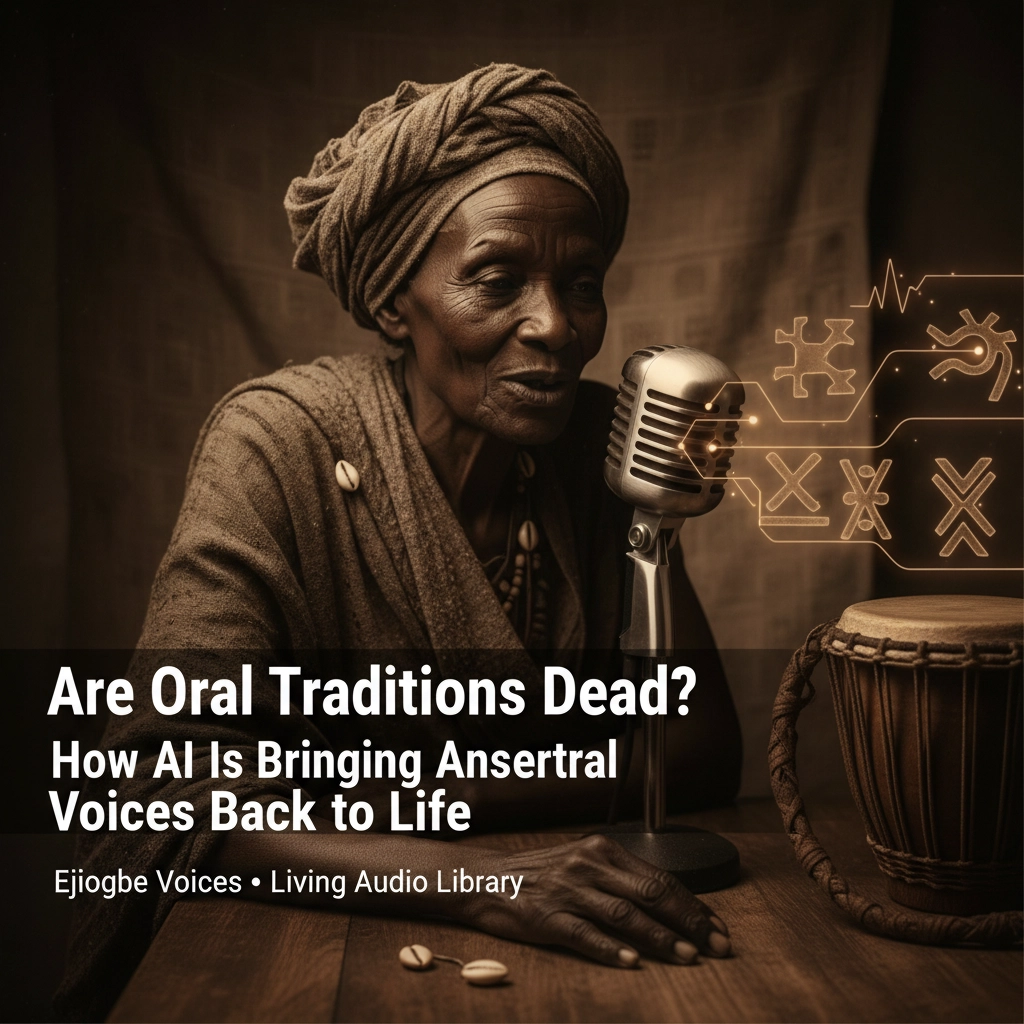


Most cultural preservation apps treat your family's wisdom like data points in a spreadsheet. They strip away context, ignore cultural protocols, and leave you with sterile recordings that feel nothing like the vibrant conversations you remember with your elders.
If you're serious about preserving ancestral voices and traditions, it's time to move beyond generic solutions. These seven practical approaches will help you create meaningful cultural archives that honor your heritage while making it accessible for future generations.
Hack 1: Create Permission-First Recording Sessions
Before you press record, establish trust and cultural protocols with your elders. Set up formal permission sessions where you explain exactly how their stories will be used, who will have access, and how their privacy will be protected.
Start each recording with verbal consent on tape. Ask elders to state their name, the date, and their permission for you to preserve their stories. This creates both legal protection and cultural respect: something generic apps never consider.
Real example: The Maori communities in New Zealand require specific protocols before recording traditional knowledge. Elders must give explicit permission not just for recording, but for how the knowledge can be shared within and outside the community.

Hack 2: Use Transcript-Ready Platforms That Understand Context
Generic voice apps create basic transcripts that miss cultural nuances, mispronounce traditional words, and lose emotional context. Instead, choose platforms that allow you to edit transcripts while preserving the original audio.
Look for tools that let you add cultural annotations, explain traditional terms, and mark significant moments in conversations. The goal is creating searchable archives that maintain the full meaning of your elders' words.
Pro tip: Record in quiet spaces and speak clearly about cultural terms before the conversation begins. Say something like, "Today we're discussing the tradition of [cultural practice], which means [brief explanation]." This helps both transcription accuracy and future listeners.
Hack 3: Build Multi-Generational Recording Teams
Don't preserve culture alone. Create recording teams that include elders, middle-aged family members, and young people. Each generation brings different perspectives and asks different questions.
Elders share wisdom and correct details. Middle-aged adults bridge communication styles and ask practical questions about how traditions evolved. Young people ask clarifying questions that might seem obvious but create valuable context for future listeners.
This approach ensures your cultural archive captures the full depth of tradition rather than just one person's memory.
Hack 4: Document the Stories Behind Objects
Every cultural family has objects with stories: traditional clothing, tools, photographs, or ceremonial items. Instead of just photographing these objects, create dedicated recording sessions about their significance.
Ask elders to hold each object while they tell its story. Record where it came from, how it was used, who made it, and what it represents. These object-centered conversations often reveal deeper cultural practices and family histories.

Example approach: "Can you tell me about this photograph? Who are these people? When was this taken? What was happening in our family during this time?"
Hack 5: Use the "Teaching Session" Method
Transform preservation into active teaching. Instead of interviewing elders, ask them to teach you traditional skills, recipes, or practices while you record.
This method captures both the knowledge and the process of transmission. You'll document not just what elders know, but how they teach, what they emphasize, and how traditions are meant to be shared.
Practical application: Ask your grandmother to teach you her traditional bread recipe while recording. You'll capture ingredients, techniques, family variations, and the cultural significance of the food: something a generic recipe app could never provide.
Hack 6: Create Community Listening Circles
Once you have recordings, organize regular family or community gatherings to listen to them together. These sessions help verify accuracy, add missing context, and create ongoing conversations about cultural preservation.
Listening circles also serve as natural teaching moments. Younger family members hear traditions explained in their elders' own voices, creating stronger connections than reading transcripts alone.
Schedule these gatherings regularly: monthly or seasonally: and make them special occasions with traditional food or ceremonial elements appropriate to your culture.

Hack 7: Build Heritage-Specific Digital Archives
Instead of storing your cultural recordings in generic cloud services, create purposeful digital archives organized around your specific heritage. Use file naming systems that reflect your cultural categories rather than just dates or random numbers.
Organize by themes like "origin stories," "traditional practices," "family recipes," "migration stories," or "ceremonial knowledge." Create folders for different elders, different time periods, and different aspects of your culture.
Include metadata that generic apps ignore: cultural context, seasonal relevance, appropriate audiences, and connections to other stories in your archive. This organization system makes your archive a living resource rather than just storage.
Technical tip: Use consistent naming conventions like "Elder_Name_Topic_Date" and create simple spreadsheets that catalog what each recording contains, who's in it, and what cultural themes it addresses.
Making Your Cultural Archive Last
These seven approaches work because they prioritize cultural authenticity over technological convenience. They create archives that feel alive and meaningful rather than sterile data collections.
The key is starting small and building consistently. Begin with one elder and one type of story. Use these methods to create a foundation, then expand gradually as you become comfortable with the process.

Remember that cultural preservation is not just about recording: it's about creating ongoing relationships between generations and maintaining living traditions that continue to evolve and inspire.
Your family's wisdom deserves more than generic apps can provide. These practical approaches help you create cultural archives that honor your heritage while making ancestral voices accessible for generations to come.
At Ejiogbe Voices, we understand that authentic cultural preservation requires tools built specifically for communities who value their heritage. When you're ready to move beyond generic solutions, we're here to support your journey in preserving ancestral wisdom with the respect and depth it deserves.