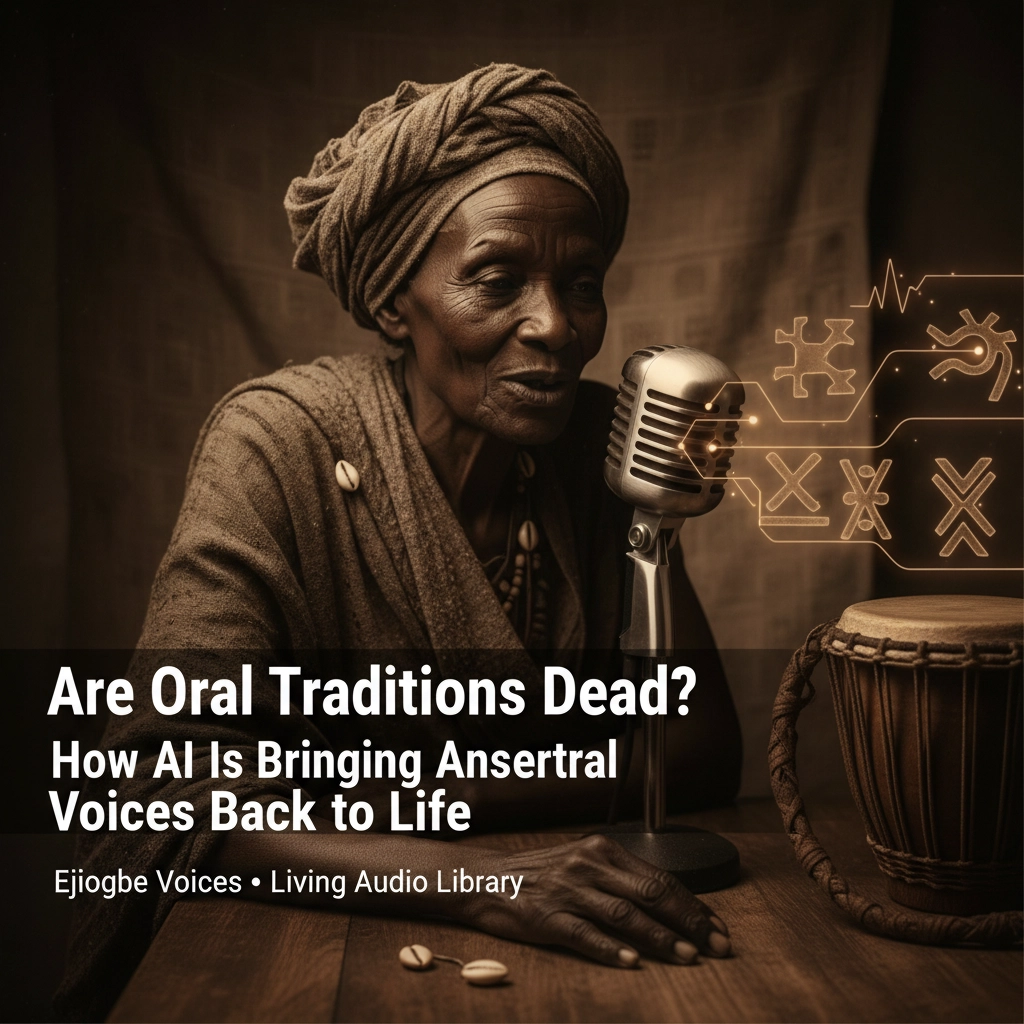


Imagine if someone could walk into your grandmother's house, take her most precious family recipes, stories, and wisdom, then sell them to the highest bidder without her permission. This scenario mirrors what happens daily in our digital world, where sacred knowledge: the prayers, teachings, songs, and ancestral wisdom of indigenous and traditional communities: gets copied, commercialized, and exploited without consent or compensation.
But what if there was a way to create an unbreakable digital vault that only the rightful keepers of this knowledge could open? What if communities could maintain complete control over their spiritual and cultural heritage while still sharing it on their own terms? This is where blockchain technology emerges as a powerful guardian of sacred knowledge.
Understanding Blockchain: Your Community's Digital Safe
Think of blockchain as a special kind of record book that's impossible to forge or destroy. Unlike a regular notebook that sits in one place, this record book exists in thousands of identical copies across the world, all updating simultaneously. If someone tries to change one copy, all the others immediately reject the fake information.

For sacred knowledge, this means once your community's wisdom is properly recorded on a blockchain, no corporation, government, or individual can alter, delete, or falsely claim ownership of it. The technology creates what we might call "digital sovereignty": giving communities the same unshakeable control over their knowledge online that they have over their physical lands and ceremonies.
Every transaction, every access request, every licensing agreement gets permanently etched into this digital stone tablet. Unlike traditional databases controlled by companies or governments, blockchain belongs to no single entity. Instead, it serves as a neutral guardian that enforces the rules your community sets.
Sacred Knowledge Meets Cryptographic Protection
The beauty of blockchain lies not just in its permanence, but in its ability to protect privacy while proving authenticity. Through advanced cryptographic techniques: think of them as sophisticated digital locks: communities can prove they own certain knowledge without revealing the actual content to outsiders.
Consider this analogy: imagine you have a precious family heirloom locked in a transparent safe. People can see that you own something valuable and can verify it's authentic, but they can't access or touch it without your permission. Blockchain works similarly, allowing communities to demonstrate ownership and authenticity of their sacred knowledge while keeping the actual content secure from unauthorized access.

This cryptographic protection means elders can safely digitize their wisdom knowing it won't be immediately copied and misused. The technology creates multiple layers of security: like nested Russian dolls: where each layer requires specific permissions to unlock.
Community Ownership: Putting Power Back Where It Belongs
Traditional digital platforms often place control in the hands of corporations or governments. Facebook owns your posts, Google controls your data, and governments can seize digital assets. Blockchain flips this power structure entirely, placing ownership and control directly in the hands of communities themselves.
Through smart contracts: automated agreements written in code: communities can set precise rules for how their knowledge gets accessed and used. These digital contracts execute automatically, ensuring that every interaction with sacred knowledge follows the community's wishes without requiring constant human oversight.
For example, a community might program their smart contract to require unanimous consent from all elders before allowing researchers to access certain ceremonial knowledge. Or they might set conditions that automatically distribute licensing fees among community members when someone gains permission to reference their traditional practices.
Transparency That Builds Trust
One of blockchain's most powerful features for protecting sacred knowledge is its radical transparency around transactions while maintaining privacy of content. Every agreement, every access request, every licensing deal gets recorded permanently on the public ledger, making it impossible for bad actors to hide their intentions or break agreements in secret.

This transparency acts as a deterrent to exploitation. When corporations know that any misuse of sacred knowledge will leave a permanent, traceable record, they're far more likely to engage respectfully and follow proper protocols. It's like having a witness to every conversation that never forgets and never lies.
Communities can also use this transparency to build coalitions and share information about trustworthy partners. If one indigenous group has a positive experience working with a particular researcher or organization, other communities can see this track record and make informed decisions about their own partnerships.
Real-World Applications: From Theory to Practice
Several pioneering projects already demonstrate blockchain's potential for protecting cultural heritage. Some indigenous communities are using blockchain to create immutable records of their traditional land boundaries, making it nearly impossible for governments or corporations to dispute their territorial claims through legal technicalities.
Others are digitizing traditional medicines and agricultural knowledge, creating permanent records that prevent biopiracy: the practice where pharmaceutical companies steal indigenous knowledge to develop profitable drugs without compensating the original communities.
The technology works particularly well for communities with widespread mobile phone access. By storing the actual files in secure cloud systems while keeping the ownership records on lightweight blockchain networks, even communities in remote areas can participate in this digital protection system using basic smartphones.
Building Bridges Between Worlds
Perhaps most importantly, blockchain doesn't isolate sacred knowledge: it creates controlled bridges between traditional wisdom and the modern world. Communities can choose to share certain teachings with researchers, students, or the general public while maintaining absolute control over more sensitive spiritual practices.

This selective sharing capability allows indigenous and traditional communities to participate in global conversations about climate change, sustainable agriculture, traditional medicine, and other pressing issues without losing control over their intellectual property. They can contribute their wisdom to solving world problems while ensuring they receive proper recognition and compensation.
The technology also enables intergenerational knowledge transfer in new ways. Young community members living in urban areas can access their ancestors' wisdom through secure blockchain networks, helping maintain cultural continuity even when families are geographically separated.
Looking Toward a Sovereign Digital Future
As we stand at the intersection of ancient wisdom and cutting-edge technology, blockchain offers a path forward that honors both tradition and innovation. It provides communities with digital tools as sophisticated as those used by multinational corporations, leveling the playing field in an increasingly digital world.
The technology promises a future where sacred knowledge can be preserved for generations, shared on communities' own terms, and protected from the exploitation that has plagued indigenous peoples throughout the colonial and digital eras. Most importantly, it returns the power of decision-making to the communities who are the rightful guardians of this wisdom.

For organizations like Ejiogbe Voices, blockchain represents more than just a technological solution: it embodies a commitment to digital sovereignty and cultural respect. As we continue developing tools that preserve and celebrate ancestral wisdom, blockchain provides the foundation for a future where technology serves tradition rather than replacing it.
By embracing these digital guardians, communities worldwide can ensure their most precious knowledge remains protected, respected, and permanently preserved for future generations to inherit and cherish.