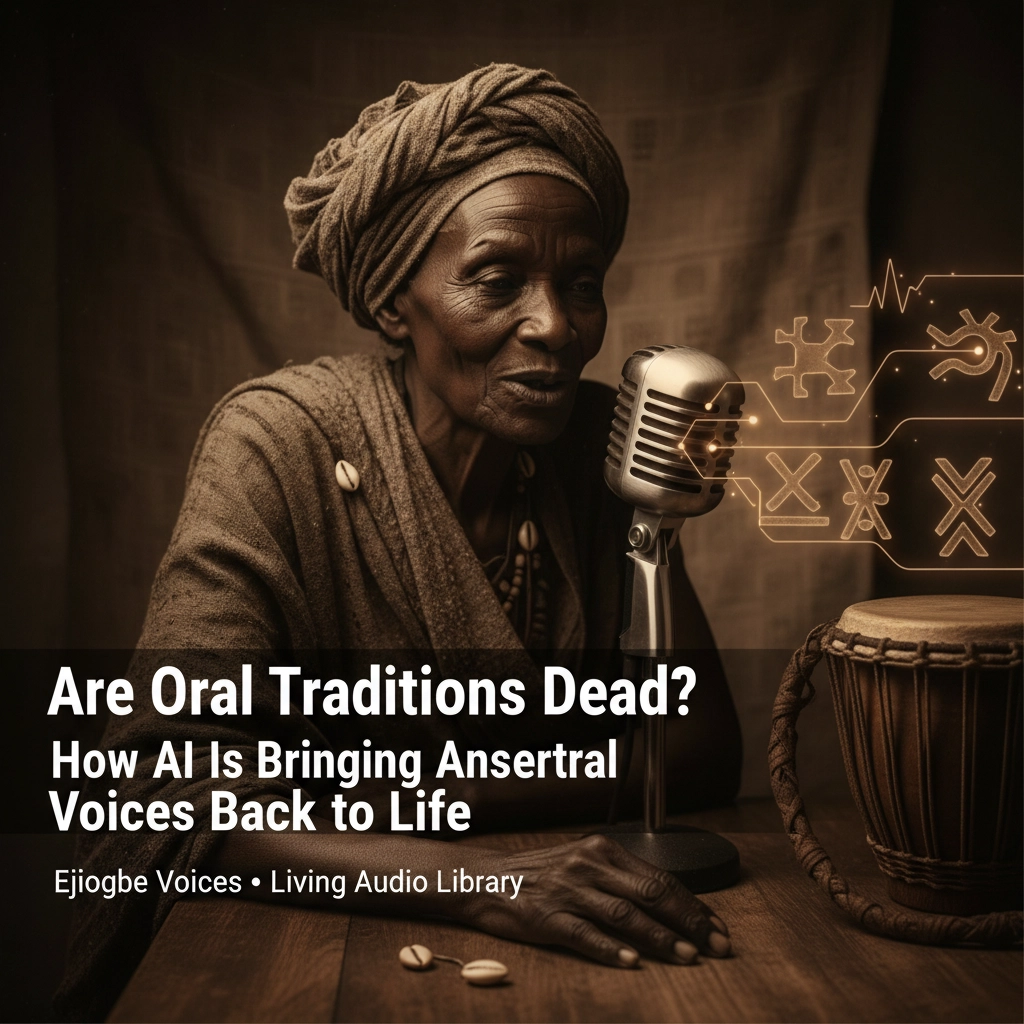


Picture this: An elder sharing stories around a kitchen table, their voice naturally rising and falling as grandchildren listen nearby. Compare that to the same elder sitting in a recording booth, facing a microphone with studio lights overhead. Which scenario do you think captures the true essence of how cultural wisdom has been passed down for generations?
The answer isn't just about comfort: it's about authenticity. When we document our cultural heritage, the where matters just as much as the what. Informal recording settings consistently capture more genuine cultural transmission than their formal studio counterparts, and the reasons go deeper than you might expect.
The Comfort Factor: Where Authenticity Begins
Comfortable people share more openly. It's that simple, yet that profound. When elders and culture bearers feel at ease in familiar environments, barriers dissolve naturally. They're no longer performing for a microphone: they're simply being themselves.
Think about your own experiences. Where do your best conversations happen? Likely not in formal meeting rooms, but around dinner tables, during walks, or while working together on everyday tasks. The same principle applies to cultural documentation.

Community recording projects consistently report richer, more detailed sharing when sessions happen in familiar spaces. Participants forget about the recording equipment and slip into natural storytelling rhythms. They gesture with their hands, reference objects around them, and speak with the same cadence they'd use with family.
The location itself becomes a prompt for memory. A grandmother sharing recipes in her own kitchen doesn't just describe ingredients: she reaches for the actual spice containers, demonstrates techniques with well-worn tools, and recalls family members who learned these same recipes in the very same space.
Environmental Context: When Place Becomes Part of the Story
Cultural knowledge isn't abstract: it's deeply connected to place, time, and context. Informal recordings capture what studio environments cannot: the essence of location embedded within the wisdom itself.
Consider a fisherman sharing traditional knowledge about reading weather patterns. In a studio, he might describe cloud formations and wind directions. But recorded on the dock at sunrise, his teaching becomes immersive. Listeners hear gulls calling, waves lapping, and boats creaking: sounds that are integral to understanding coastal wisdom.
Sacred spaces hold particular power. Ceremonies, prayers, and spiritual teachings recorded in their natural settings carry an authenticity that formal environments simply cannot replicate. The acoustics of a particular worship space, the ambient sounds of nature during outdoor rituals, or the echoes within ancestral gathering places become part of the transmission itself.
Natural Conversation Flow vs. Performance Pressure
Studios, by their very nature, create expectations of performance. Red recording lights, professional microphones, and controlled environments signal that something "important" is happening. This psychological pressure, however subtle, can fundamentally alter how people communicate.
Informal settings preserve natural dialogue patterns. Cultural transmission has always been conversational: questions flowing naturally, stories building upon each other, multiple voices contributing to collective understanding. When elders feel they're simply having a conversation rather than making a formal recording, these natural patterns emerge.

Interruptions become valuable rather than problematic. A child asking a question, a neighbor stopping by to add their perspective, or a phone call that leads to an impromptu three-way cultural exchange: these "interruptions" often contain the most authentic moments of cultural sharing.
The pressure to be "perfect" dissolves. In studios, speakers often self-edit in real-time, choosing "proper" words over colloquial expressions, formal language over emotional authenticity. Informal settings encourage the natural speech patterns that carry cultural nuance: the pauses, the repetitions, the emotional inflections that formal environments tend to suppress.
Capturing the Whole Picture: Beyond Just Words
Cultural transmission involves far more than spoken language. Informal recordings capture multiple layers of communication happening simultaneously: gestures, environmental cues, social dynamics, and contextual references that studio environments strip away.
Objects become part of the teaching. A weaver sharing traditional techniques while actually working at their loom provides auditory learners with the sounds of the craft: threads pulling, wood creaking, the rhythm of work that words alone cannot convey. These environmental elements aren't background noise; they're integral components of cultural knowledge.
Social dynamics remain intact. Cultural transmission rarely happens in isolation. Informal settings preserve the natural social context: how different family members contribute different pieces of knowledge, how respectful disagreement and clarification occur, how cultural knowledge emerges through collective memory rather than individual recitation.
Practical Tips for Authentic Cultural Documentation
Ready to capture more authentic cultural transmission? Here are proven strategies that honor both the content and context of cultural wisdom:
Choose meaningful locations together. Ask culture bearers where they feel most comfortable sharing. Often, they'll suggest places with personal or cultural significance: their home workshop, a family gathering space, or a location tied to the traditions being shared.
Start recording before the "official" session begins. Some of the most authentic sharing happens during setup, when people are chatting naturally about the topic. Keep equipment simple and unobtrusive so these spontaneous moments can be captured.
Embrace the environment. Don't fight background sounds that are natural to the setting. The sound of children playing during a family storytelling session, tools being used during craft demonstrations, or nature sounds during outdoor teachings often enhance rather than detract from the recording.

Allow for interruptions and tangents. What might seem like digressions often lead to the richest cultural content. When an elder pauses to explain historical context or a family member adds their perspective, these moments frequently contain profound cultural transmission.
Use simple, portable equipment. Heavy, complex recording setups create barriers between you and natural sharing. Modern smartphones and compact recording devices can capture excellent quality audio while remaining nearly invisible in the social interaction.
Record in longer sessions rather than short, formal interviews. Cultural knowledge often emerges slowly, building as comfort increases and memories surface. Plan for longer recording periods that allow natural rhythm and flow.
When Formal Settings Have Their Place
This isn't to say formal recording environments never have value. They serve important purposes: providing controlled acoustics for final documentation, creating archives with consistent technical quality, or accommodating culture bearers who prefer more structured settings.
The key is recognizing that formal recordings often work best as complementary documentation rather than primary cultural transmission. Many successful projects use informal recordings as the foundation for understanding, then create formal studio versions for official archives or public presentation.
Some elders do prefer formal settings, viewing them as appropriate for the gravity of cultural preservation. Cultural documentation must always respect individual preferences and community protocols around how knowledge should be shared and recorded.
Building Trust Through Authentic Approaches
Authentic cultural documentation requires authentic approaches. When communities see that their cultural transmission is being documented with respect for natural sharing patterns, trust deepens. Families become more willing to share sensitive knowledge, elders open up about details they might otherwise keep private, and communities develop confidence in digital preservation efforts.
This trust extends beyond individual recording sessions. Communities that experience respectful, authentic documentation often become advocates for cultural preservation projects, helping connect researchers with other knowledge holders and supporting broader preservation efforts.
The informal approach also models cultural respect for future generations. Young community members who witness elders being honored through natural, comfortable documentation learn that cultural preservation can happen without disrupting traditional sharing patterns.
The Path Forward for Cultural Preservation
As we develop new technologies for cultural preservation, including platforms like Ejiogbe Voices, the lessons from informal recording approaches become increasingly important. Technology should enhance rather than replace the natural patterns of cultural transmission.
The most effective digital preservation projects recognize that authentic cultural sharing happens in communities, homes, and sacred spaces: not in studios or controlled environments. By honoring these natural settings and patterns, we create more complete, more authentic records of our collective human heritage.
Our ancestors didn't need studios to pass down wisdom. They used kitchens, workshops, gathering places, and sacred spaces. When we document their knowledge using similar settings, we honor not just their words, but their ways of sharing: preserving both the content and the cultural context that makes that wisdom meaningful for future generations.
The authenticity captured through informal recording methods ultimately provides a more complete understanding of how cultural knowledge lives, breathes, and continues to evolve within communities. This isn't just about better recordings: it's about better cultural preservation that honors the full richness of human heritage.