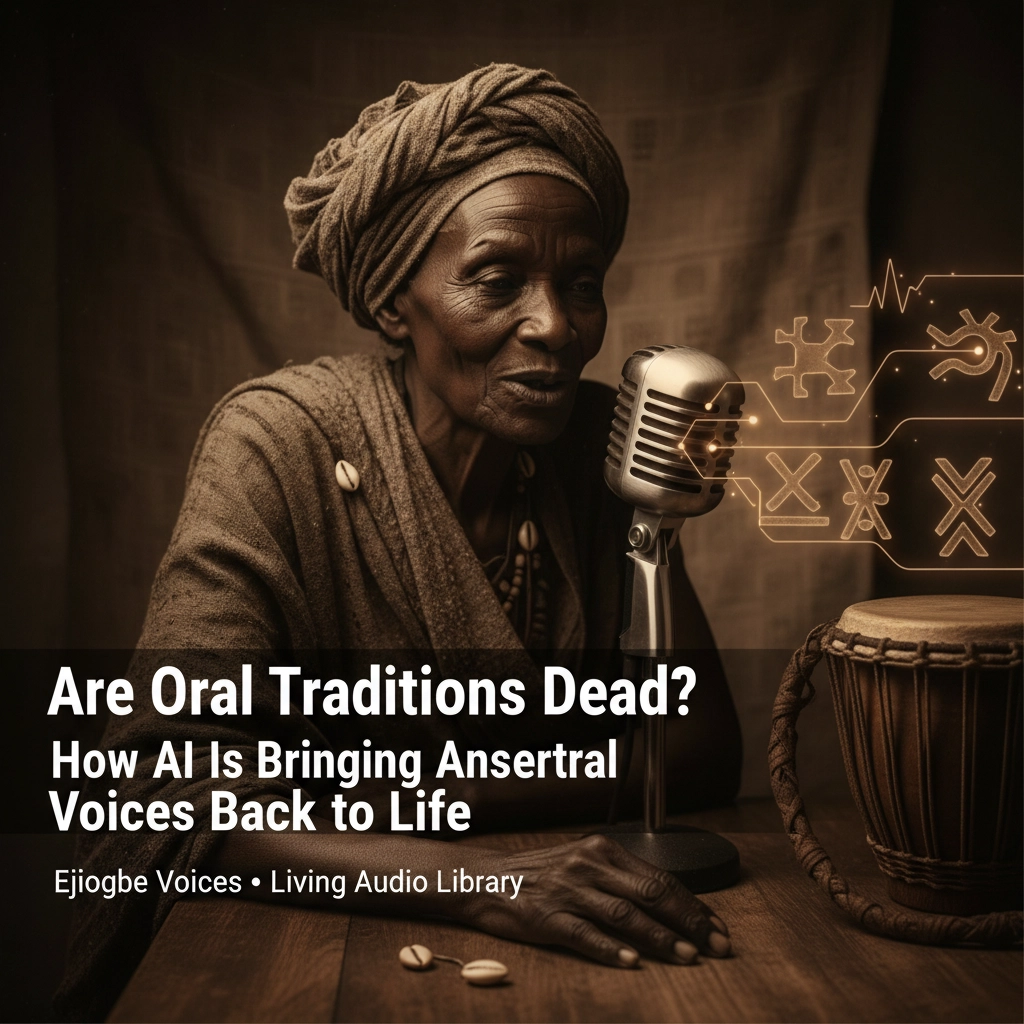

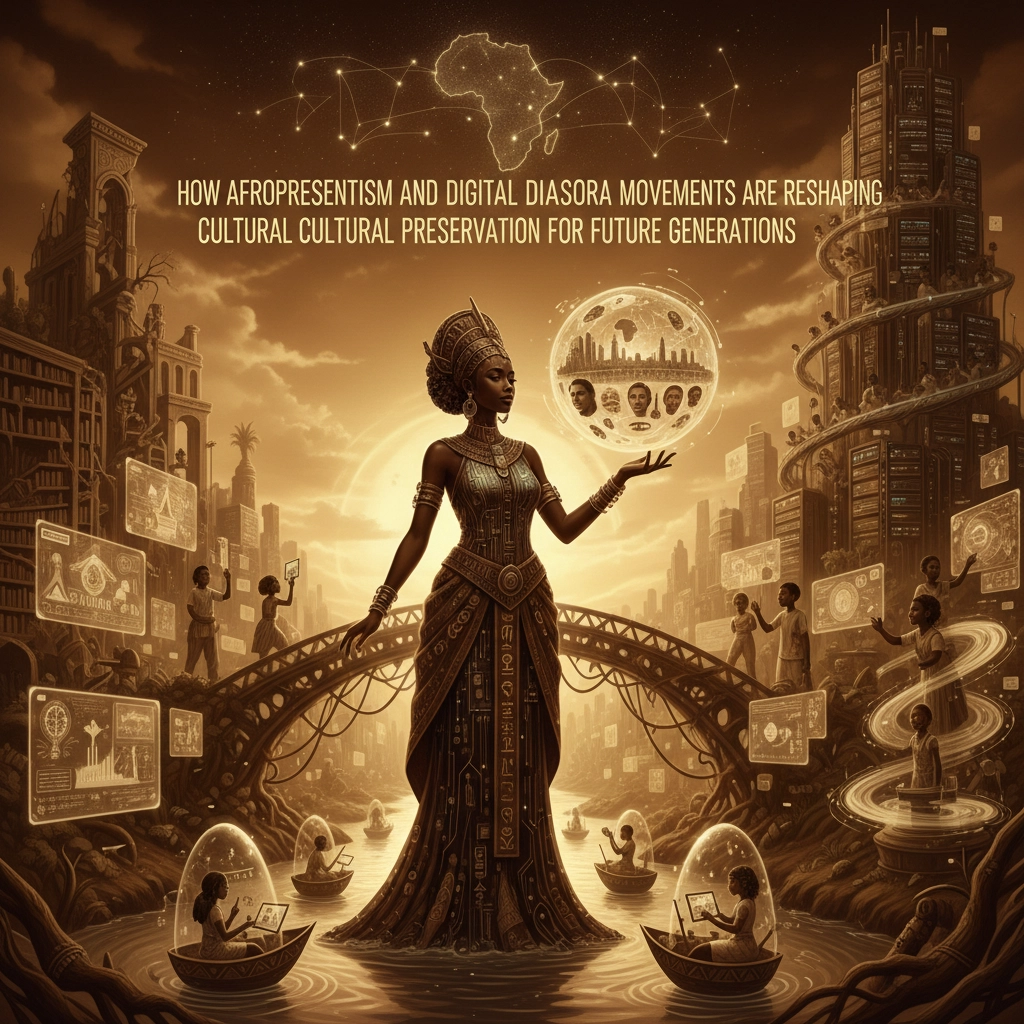
The ancient art of storytelling has found new life in the digital age, where ancestral voices meet cutting-edge technology to preserve cultural heritage for generations yet to come. Across the African diaspora, communities are embracing innovative approaches that blend traditional wisdom with modern platforms, creating a revolutionary movement that honors the past while building bridges to the future.
At the heart of this transformation lies Afropresentism: a powerful framework that challenges conventional methods of cultural preservation by emphasizing the living, breathing nature of heritage in our contemporary world.
Understanding Afropresentism: A New Vision for Cultural Continuity
Afropresentism, pioneered by theorist and artist Neema Githere, represents more than just documentation: it embodies what Githere describes as "a genre fusing archives, documentary, and fine arts through new media in the expression of an Afrofuturist lived reality." This groundbreaking approach addresses the various states of Black and African diaspora experience today, creating what she calls "a temporal rebellion; a collage of invisible arts, specifically sound, memory and a desire that comes from beyond flesh."
Unlike traditional preservation methods that often relegated culture to museums or academic institutions, Afropresentism recognizes that heritage lives most authentically in the present moment. It acknowledges that cultural practices must evolve and adapt while maintaining their essential spirit and wisdom.

The movement empowers communities to become active participants in their own cultural narrative, rather than passive subjects of external documentation. This shift from preservation as archival storage to preservation as lived experience represents a fundamental reimagining of how we safeguard wisdom across generations.
Digital Diaspora: Connecting Hearts Across Continents
The digital diaspora movement examines how Black and African communities use the internet for identity formation, tracing the innovative ways these communities have shaped cyberspace since its earliest days. Through initiatives like Githere's #Digitaldiaspora project, we can observe how the Afro-diasporic experience manifests both online and offline, creating virtual bridges that span continents and generations.
These digital spaces have become sacred ground where diaspora communities gather to share stories, celebrate traditions, and pass down ancestral knowledge. Social media platforms, video sharing sites, and specialized apps now serve as modern-day gathering places where elders can connect with youth, where forgotten practices are revived, and where cultural innovation flourishes.
The beauty of these digital connections lies in their accessibility. A grandmother in Lagos can share traditional recipes with her granddaughter in Brooklyn through video calls. A master drummer in Ghana can teach rhythms to eager students in London through live streaming platforms. These connections transcend geographical boundaries that once separated families and communities.
Grassroots Revolution: Communities Leading Their Own Preservation
One of the most inspiring aspects of this digital transformation is how grassroots communities are taking ownership of their cultural narratives. No longer dependent on external institutions or traditional gatekeepers, community members themselves have become the primary agents of cultural preservation.

Local storytellers are creating YouTube channels to share folktales and historical accounts. Traditional craftspeople are using Instagram to demonstrate ancient techniques. Musicians are collaborating across continents to create fusion pieces that honor traditional sounds while speaking to contemporary experiences.
These grassroots efforts are particularly powerful because they emerge organically from within communities. The content creators understand the nuances, the cultural context, and the deeper meanings that might be lost when preservation is handled by outsiders. They can share not just the "what" of their traditions, but the "why": the spiritual and emotional significance that gives cultural practices their true power.
Youth as Cultural Ambassadors in the Digital Age
Perhaps nowhere is the impact of digital diaspora movements more evident than in youth engagement. Young people who might once have felt disconnected from their cultural heritage are now finding innovative ways to explore, celebrate, and share their ancestral traditions.
TikTok has become a platform where traditional dances are taught and shared, reaching millions of viewers worldwide. Young entrepreneurs are creating apps that teach indigenous languages through gamification. University students are collaborating on digital archives that document local histories and customs.
This youth involvement brings fresh energy and new perspectives to cultural preservation. They understand how to make traditional content engaging for modern audiences while maintaining respect for the source material. They're creating content that speaks to their peers while honoring their elders.

The generational exchange facilitated by these digital platforms is remarkable. Older community members, who are often the keepers of traditional knowledge, can connect with younger generations through familiar technology. This creates a dynamic preservation process where wisdom flows in both directions: elders sharing knowledge while learning new ways to express and transmit their heritage.
Digital-First Approaches: Innovation Meets Tradition
The most successful cultural preservation efforts in the digital diaspora embrace what we might call "digital-first" approaches. Rather than simply digitizing existing materials, these initiatives are designed from the ground up for digital consumption and interaction.
Interactive storytelling apps allow users to choose their own adventure through traditional tales. Virtual reality experiences transport users to historical sites and cultural ceremonies. Augmented reality features bring ancient artifacts to life through smartphone cameras. AI-powered language learning tools help preserve endangered dialects and languages.
These digital-first approaches recognize that different types of content require different platforms and formats. A traditional prayer might be best preserved as an audio recording, while a craft technique needs video demonstration, and historical context benefits from interactive timelines and maps.
The Revival of Dying Traditions Through Viral Culture
Digital diaspora movements have proven particularly effective at rescuing cultural practices that were on the verge of extinction. Traditional crafts, folk music, ancient games, and ceremonial practices have gained new life through online communities dedicated to their revival.
The viral nature of digital content means that a single post showcasing a traditional craft can reach thousands of potential practitioners worldwide. Online groups form around shared interests in specific cultural practices, creating supportive communities where knowledge is freely shared and newcomers are welcomed.

Hashtag campaigns have become powerful tools for cultural revival. #TraditionalTuesday might showcase different cultural practices each week. #AncestralWisdom could highlight stories and teachings from elders. These campaigns create ongoing conversations and regular opportunities for cultural sharing.
Building Bridges: Technology as Cultural Connector
The technology that enables these movements serves as more than just tools: it becomes a bridge between worlds. These platforms connect the sacred with the digital, the ancient with the contemporary, the local with the global.
Mobile apps designed specifically for cultural preservation allow users to record stories, share photos, and document traditions in user-friendly formats. Cloud storage ensures that precious cultural content is backed up and accessible. Translation tools help break down language barriers that might otherwise prevent cultural sharing.
The democratization of content creation tools means that anyone with a smartphone can become a cultural documentarian. Professional-quality videos can be created and shared instantly. Podcasts can be recorded in home kitchens and reach global audiences. Photo essays can be assembled and published within minutes of capture.
Looking Forward: The Future of Cultural Heritage
As we witness this transformation, we're seeing the emergence of a new model for cultural preservation: one that is community-driven, technologically enhanced, and globally connected while remaining deeply rooted in local traditions and values.
This approach recognizes that culture is not a museum piece to be preserved unchanged, but a living force that must evolve to remain relevant. It understands that the most effective preservation happens when communities feel ownership and pride in their heritage.

The impact extends far beyond simple documentation. These movements are creating new forms of cultural expression, fostering international collaboration, and inspiring pride in heritage among younger generations. They're proving that technology can enhance rather than diminish the power of traditional wisdom.
As we move forward, the success of Afropresentism and digital diaspora movements offers valuable lessons for all communities seeking to preserve and share their heritage. The key lies not in choosing between tradition and innovation, but in finding creative ways to honor the past while embracing the possibilities of the future.
Through these digital bridges, ancestral voices continue to guide and inspire, ensuring that the wisdom of generations past will illuminate the path for generations yet to come. In this sacred work of preservation and connection, technology serves not as a replacement for human wisdom, but as a powerful amplifier that helps ancestral voices reach farther and resonate deeper than ever before.