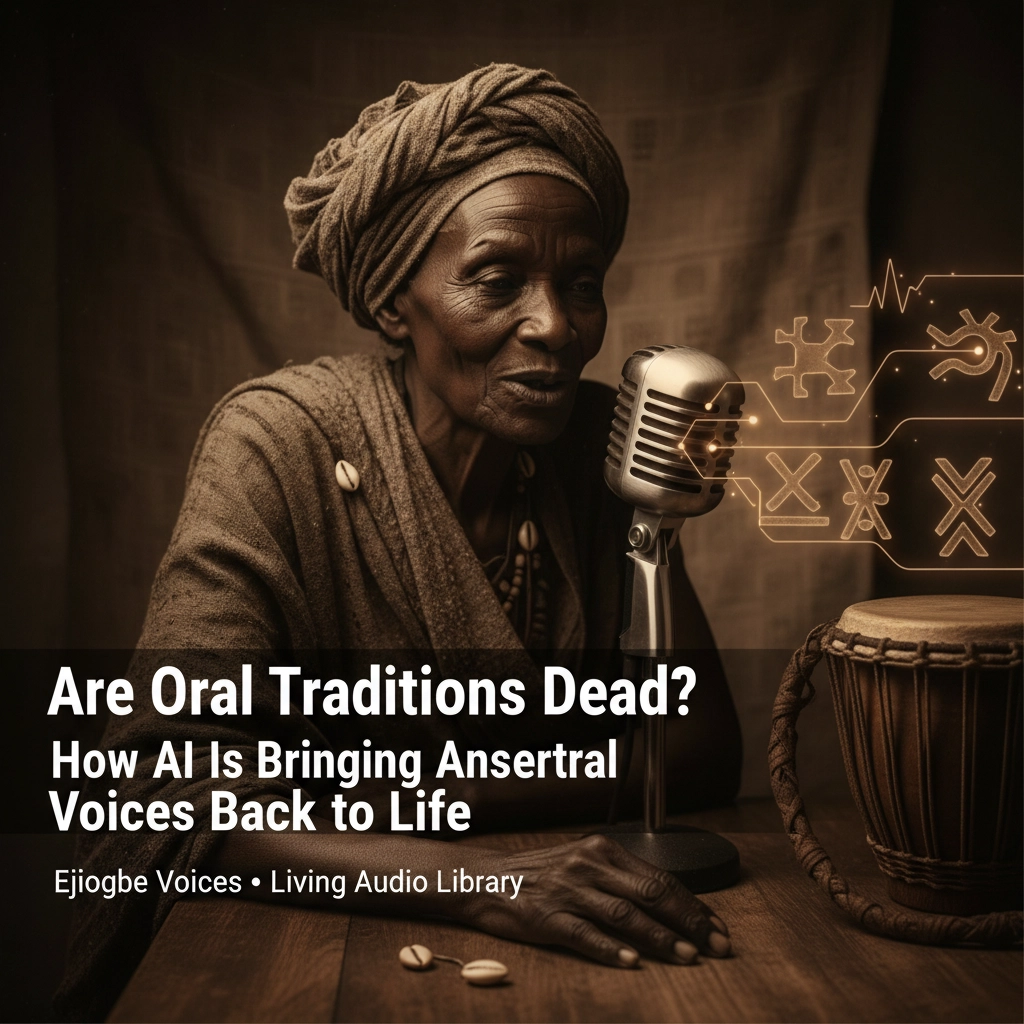


Across the globe, a quiet revolution is taking place in cultural preservation. Young people: often dismissed as disconnected from tradition: are emerging as the most passionate and innovative guardians of ancestral wisdom. From bustling Lagos markets to Brooklyn community centers, from rural villages in Ghana to digital spaces connecting the African diaspora, youth are stepping forward with smartphones, creativity, and an urgent sense of purpose to safeguard the voices of their elders.
This movement isn't driven by obligation or academic assignment. Instead, it springs from something far more powerful: genuine curiosity, technological fluency, and deep-rooted pride in heritage that many thought was fading. These young cultural preservationists are rewriting the narrative about who protects tradition and how preservation work gets done.
The Awakening: Why Now, Why Them?
The motivation driving young people toward cultural preservation reflects a profound shift in consciousness. In an era of rapid globalization, many youth are witnessing firsthand how modernization threatens the uniqueness of their cultural identity. Rather than accepting this loss as inevitable, they're choosing to act.
"We're the last generation that will have direct access to certain knowledge keepers," explains Amara, a 23-year-old filmmaker from Senegal who's been documenting traditional weaving techniques in her grandmother's village. "My grandmother speaks three languages that aren't taught in schools anymore. If we don't capture her stories now, they disappear forever."
This urgency is echoed across African and diaspora communities worldwide. Young people understand they occupy a unique position: fluent in both traditional knowledge and modern technology, able to bridge worlds that older generations may see as separate.

Research from cultural preservation initiatives shows that youth participation is increasing not because they're forced, but because they're genuinely curious about their roots. They're discovering that cultural heritage serves multiple purposes: identity formation, economic opportunity, and community building. For many, preserving culture becomes a pathway to understanding themselves and their place in the world.
Digital Natives, Cultural Custodians
What sets this generation apart is their seamless integration of ancestral wisdom with contemporary tools. Social media platforms, once viewed with suspicion by traditional culture keepers, have become powerful allies in preservation work.
Take the example of Kofi, a 19-year-old from Ghana who started an Instagram account documenting Adinkra symbols and their meanings. What began as a personal project to connect with his heritage has grown into a platform with over 50,000 followers, reaching young Africans across the diaspora hungry for cultural knowledge.
"I realized that if I could learn about American pop culture through TikTok, why couldn't I learn about my own culture the same way?" Kofi shares. His content includes short videos explaining symbol meanings, interviews with traditional craftspeople, and collaborative projects with other young cultural advocates.
Young preservationists are using video-making, animation, digital storytelling, and even gaming to make heritage accessible and engaging. They create virtual museums, develop cultural learning apps, and host online workshops that connect diaspora communities with their ancestral practices.

These digital approaches allow traditions to travel beyond geographical boundaries. A young woman in Atlanta can learn traditional braiding techniques from an elder in Nigeria through live video sessions. Sacred songs recorded by youth in one community can provide comfort and connection to displaced populations worldwide.
Intergenerational Bridges: Learning and Teaching
Perhaps the most beautiful aspect of youth-led cultural preservation is how it facilitates intergenerational connection. Rather than creating divides, young preservationists are building bridges between elders and peers, between ancient knowledge and modern application.
In Brooklyn's vibrant African communities, groups of young people regularly organize "Wisdom Circles" where elders share stories, traditional recipes, and cultural practices while youth document and digitize the knowledge. These gatherings have become powerful community events that strengthen bonds across generations.
"At first, some of the older folks were skeptical about the recording equipment," admits Zara, a 26-year-old community organizer whose parents emigrated from Ethiopia. "But when they saw their grandchildren asking questions, really listening, wanting to learn traditional coffee ceremonies and storytelling techniques, everything changed. Now they're some of our biggest supporters."
These young cultural workers understand that preservation isn't about creating museum pieces: it's about keeping traditions alive and relevant. They adapt certain practices to modern contexts while preserving their essence, ensuring cultural knowledge remains accessible to contemporary audiences.

Youth-led preservation often emphasizes experiential learning. Instead of simply recording oral histories, young people organize hands-on workshops where community members can participate in traditional crafts, cooking, music, and dance. These events create lasting memories while ensuring practical knowledge passes to the next generation.
Recognition and Growing Impact
The significance of youth contributions to cultural preservation is gaining formal recognition. Organizations like Cultural Survival have established Indigenous Youth Fellowships specifically supporting young leaders dedicated to transforming their communities. Since 2018, these programs have awarded hundreds of fellowships supporting youth from around the globe working on language revitalization, land protection, traditional arts, and cultural reclamation.
The Barron Prize, which honors young leaders making positive impacts, has recognized cultural preservation as heroic work worthy of celebration alongside environmental activism and social justice advocacy. This recognition validates what communities have long known: preserving culture is essential work that deserves support and celebration.
Young cultural preservationists are also addressing contemporary challenges through their heritage work. Their projects often tackle interconnected issues like climate change, food sovereignty, decolonization, and media representation. This holistic approach recognizes that cultural preservation cannot be separated from broader environmental and social justice concerns.
Innovation Meets Tradition
The methods employed by young cultural preservationists demonstrate remarkable innovation within traditional frameworks. They're not simply digitizing existing practices: they're creating new ways for culture to live and breathe in contemporary spaces.
Mobile apps developed by young programmers help diaspora communities maintain language skills and cultural practices. Podcast series created by youth feature elder interviews, cultural education, and community discussions that reach global audiences. Virtual reality experiences allow people to "visit" ancestral lands and participate in traditional ceremonies regardless of geographical location.

Music represents another powerful preservation tool. Young artists across the African diaspora are incorporating traditional rhythms, instruments, and vocal techniques into contemporary genres, ensuring ancestral sounds reach new audiences. These musical bridges help young people connect with their heritage while contributing to its evolution.
Building Sustainable Futures
What makes youth-led cultural preservation particularly powerful is its sustainability. These young advocates aren't just documenting culture: they're creating economic opportunities, educational resources, and community connections that ensure traditions continue thriving.
Many have developed social enterprises around cultural preservation, selling traditional crafts through online platforms, offering cultural education workshops, or providing consultation services for organizations seeking authentic cultural representation. This entrepreneurial approach ensures preservation work can be economically viable while maintaining cultural integrity.
The unexpected emergence of young people as cultural preservation heroes reflects a generation that understands heritage not as a burden from the past, but as a vital resource for building meaningful, sustainable futures. They're proving that tradition and innovation aren't opposing forces: they're complementary energies that, when combined thoughtfully, create powerful possibilities for cultural continuity.
Through their work, these young preservationists are ensuring that ancestral voices continue speaking to future generations, that traditional knowledge remains accessible and relevant, and that cultural heritage serves as a source of strength, identity, and connection in an increasingly interconnected world. Their heroism lies not in grand gestures, but in daily acts of listening, learning, and sharing the wisdom that connects us all to something larger than ourselves.
At Ejiogbe Voices, we witness this movement daily: young people stepping forward with reverence, creativity, and determination to ensure no voice is lost, no story forgotten, no tradition abandoned to time.