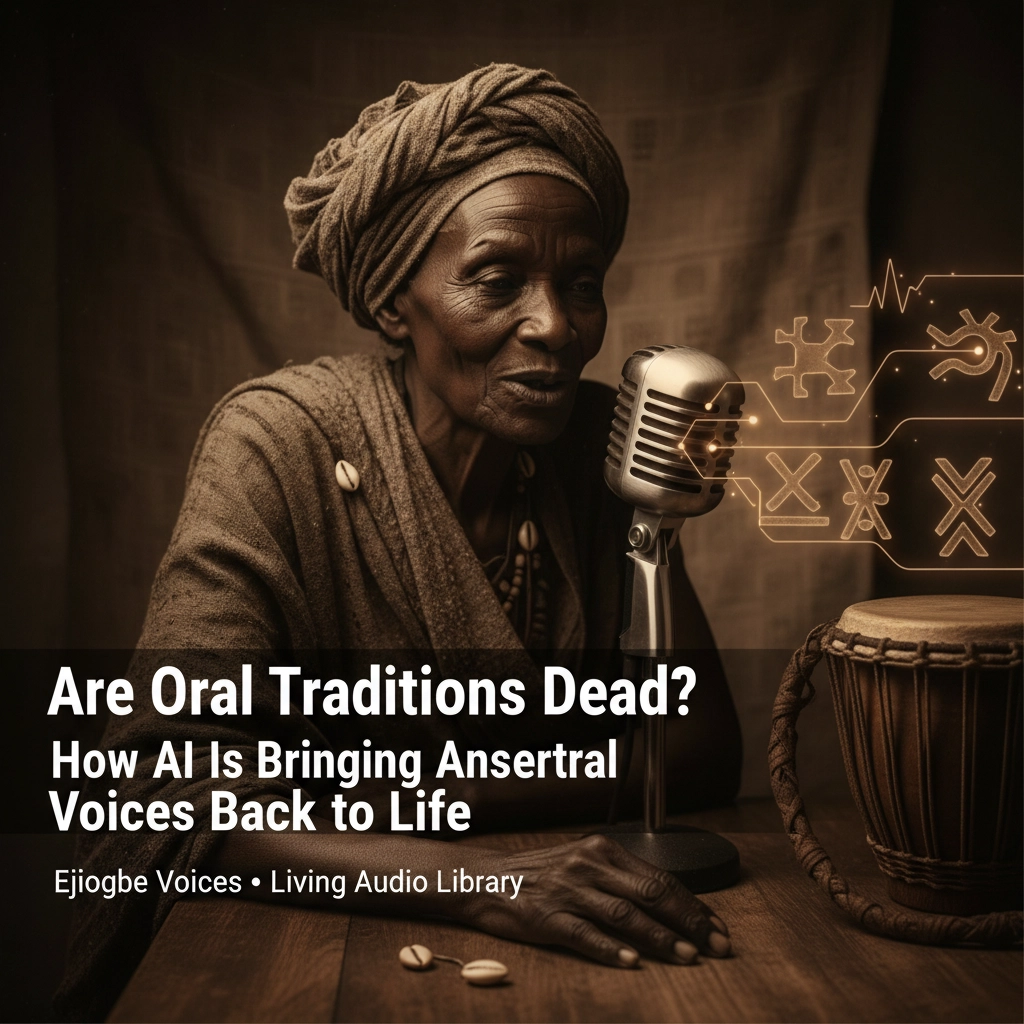


There's something magical that happens when communities take the lead in documenting their own stories. Instead of outsiders looking in, trying to capture the essence of traditions they've never lived, we witness the birth of truly authentic cultural preservation, one that breathes with the rhythm of lived experience and ancestral wisdom.
For too long, cultural documentation has been something done to communities rather than with them. But we're discovering that when communities become active partners in preserving their heritage, the results are transformative. The stories become richer, the context deeper, and the preservation more meaningful.
The Authenticity Gap in Traditional Documentation
When cultural documentation happens from the outside looking in, something vital gets lost in translation. External researchers, no matter how well-intentioned, often miss the nuanced layers that make cultural practices truly meaningful. They might capture what happens during a ceremony, but miss the why, the spiritual significance, the family connections, the generational wisdom that gives these traditions their power.
This top-down approach can inadvertently turn people into specimens rather than partners. Community members become subjects to be studied instead of knowledge keepers to be honored. The result? Documentation that might be technically accurate but spiritually hollow, missing the heart that makes cultural heritage worth preserving.

The gap becomes even more pronounced when we consider that culture isn't monolithic. Within every community, there are multiple voices, perspectives, and experiences. The elder's understanding of a tradition might differ from the young person's, and both views are valid and valuable. Traditional documentation methods often seek a single "authoritative" narrative, flattening the beautiful complexity that makes each culture unique.
What Community Participation Actually Looks Like
True community participation goes far beyond simply asking for permission to document traditions. It means putting community members in the driver's seat as researchers, storytellers, and decision-makers in their own cultural preservation efforts.
This might look like training local community members to conduct oral history interviews with their own elders, ensuring that conversations happen in native languages with cultural context that outsiders might miss. It could involve crowdsourcing efforts where community members contribute photos, stories, and memories to build comprehensive cultural archives.
Authentic participation means having local leadership guide the entire process: determining what should be documented, how it should be shared, and who should have access to sensitive cultural knowledge. Communities become the authors of their own stories rather than the subjects of someone else's research.

Consider the power of intergenerational knowledge sharing within communities. When grandparents share stories with grandchildren who then help document them digitally, we create bridges across time and technology. These natural knowledge transfer relationships carry emotional weight and cultural authenticity that external documentation simply cannot replicate.
The Transformative Benefits of Community-Led Documentation
Access to Insider Knowledge and Lived Experience
Community participation unlocks layers of cultural understanding that remain invisible to outsiders. Community members carry generational wisdom passed down through families, spiritual insights that can't be learned from books, and emotional connections to traditions that have shaped their identities.
This insider knowledge includes not just the facts of cultural practices, but the feelings, meanings, and connections that give these practices life. A community member can explain why certain songs make people cry, how specific foods connect to memories of loved ones, or what it feels like to participate in sacred ceremonies that have been happening for centuries.
Capturing Authentic Diversity Within Unity
When communities lead their own documentation efforts, they naturally capture the beautiful diversity that exists within cultural groups. Different families might have variations of the same tradition, or various age groups might interpret cultural practices differently. This diversity isn't a problem to be solved: it's the authentic reality of living culture.
Community-led approaches allow multiple voices to contribute their perspectives, creating documentation that reflects the true complexity of cultural life. Rather than seeking one "correct" version of a tradition, communities can preserve the range of experiences and interpretations that make their culture dynamic and alive.

Building Sustainability and Cultural Continuity
Perhaps most importantly, community participation creates sustainability in cultural preservation efforts. When community members are actively involved in documenting their heritage, they develop ownership over the process and investment in its continuation.
This approach ensures that cultural documentation serves the community's actual needs rather than external research interests. Communities can focus on preserving what matters most to them, in formats that their members can access and use for education, celebration, and cultural transmission.
Practical Steps for Implementing Community Participation
Start with Relationship Building
Before any documentation begins, invest time in building genuine relationships within the community. Attend community events, participate in cultural celebrations, and demonstrate long-term commitment rather than extractive research interests.
Listen more than you speak. Ask community members what they want to preserve, how they want it documented, and what their concerns might be about sharing cultural knowledge more broadly.
Provide Training and Resources
Offer training in digital storytelling, interview techniques, and documentation methods to community members who want to lead preservation efforts. Provide the tools and technical support needed for high-quality documentation while ensuring that community members maintain control over the process.
This might include workshops on using recording equipment, digital archiving best practices, or collaborative platforms for sharing and organizing cultural materials.
Create Collaborative Platforms
Develop systems that allow community members to contribute easily and continuously to cultural archives. This could be as simple as a shared online platform where people can upload photos and stories, or as sophisticated as community-managed databases with multiple access levels for different types of cultural knowledge.

The key is creating systems that feel natural and accessible to community members rather than imposing external technological requirements that create barriers to participation.
Respect Cultural Protocols
Work with community leaders to understand and honor protocols around sharing cultural knowledge. Some traditions may be meant only for certain community members, while others can be shared more broadly. Community participation means respecting these boundaries and allowing communities to control access to their own cultural heritage.
Building Lasting Partnerships for Cultural Preservation
The most successful community-led documentation efforts create ongoing partnerships rather than one-time projects. These relationships continue to evolve as communities grow and change, allowing cultural preservation to be a living, breathing process rather than a static collection of artifacts.
Effective partnerships involve sharing resources, expertise, and decision-making power. External organizations or researchers bring technical skills and resources, while communities contribute knowledge, wisdom, and cultural guidance. Both parties benefit, and both have essential roles to play.
These collaborations often lead to innovative approaches that neither external researchers nor community members might have developed alone. When technical expertise meets cultural wisdom, the results can be truly transformative.

The Ripple Effects of Authentic Documentation
When communities lead their own cultural documentation efforts, the benefits extend far beyond preservation. These projects often strengthen community bonds, create opportunities for intergenerational connection, and build pride in cultural identity.
Young people who might have been drifting away from traditional practices often become re-engaged when they see their culture documented with dignity and respect. Elders who have been carrying cultural knowledge alone suddenly have engaged audiences for their stories and wisdom.
The documentation process itself becomes a form of cultural practice: a way of honoring ancestors, strengthening community bonds, and ensuring that future generations will have access to their heritage.
At Ejiogbe Voices, we understand that authentic cultural documentation isn't just about capturing information: it's about empowering communities to tell their own stories, preserve their own wisdom, and shape their own cultural futures. When communities participate actively in documenting their heritage, the results are more than authentic: they're alive with the spirit and wisdom that make each culture unique and valuable.
The secret ingredient isn't really secret at all: it's partnership, respect, and the recognition that communities are the true experts on their own cultural heritage. When we honor that expertise and provide the tools and support needed for community-led documentation, we don't just preserve culture( we help it thrive.)