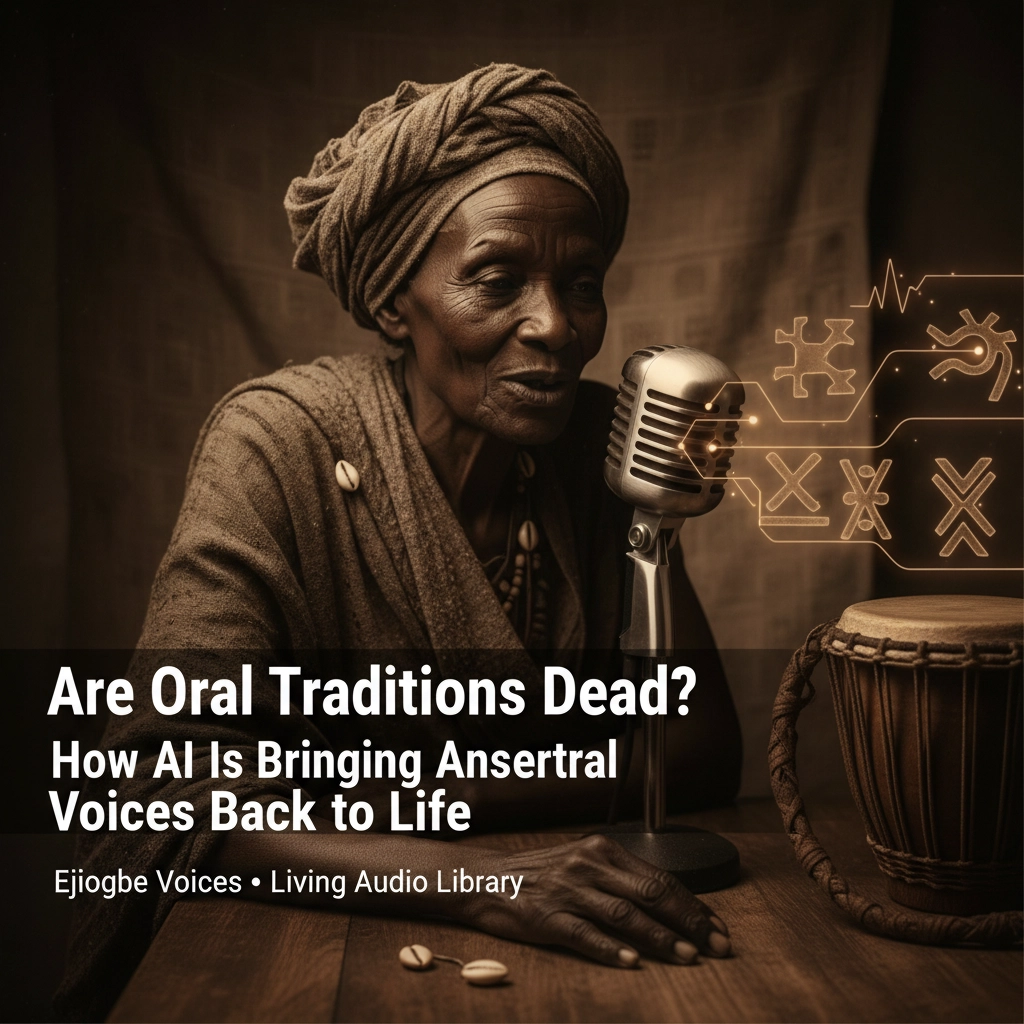


Picture this: You're developing an app to preserve endangered cultural wisdom, and an elder approaches you with a collection of sacred songs passed down through fifteen generations. They want to ensure these treasures survive for their grandchildren, but they also explain that certain verses should only be heard by initiated community members during specific ceremonies.
This is the heart of the challenge we face in cultural preservation technology: how do we honor both the urgent need for preservation and the equally important need for cultural boundaries?
The Sacred vs. The Accessible: Understanding the Tension
When we talk about sacred boundaries in cultural preservation, we're not just discussing religious or spiritual content. These boundaries encompass knowledge that communities have traditionally shared only within specific contexts: healing practices that require proper training, stories tied to seasonal ceremonies, or genealogical information that carries deep community significance.
The accessibility imperative pushes us toward universal access. After all, what good is preserved wisdom if it sits locked away where future generations can't find it? But the sacred boundary imperative reminds us that some knowledge was never meant for mass consumption: and there are profound reasons for these restrictions.

Indigenous communities worldwide have developed sophisticated systems for managing knowledge sharing over millennia. These aren't arbitrary restrictions; they're carefully crafted frameworks that protect both the knowledge itself and the communities that hold it.
Voices from the Communities: What Sacred Really Means
Maria Santos, a Zapotec textile artist from Oaxaca, puts it beautifully: "When we share our weaving patterns online, we want people to appreciate our culture. But certain designs are only for specific ceremonies: they hold power that requires understanding, not just viewing."
This sentiment echoes across cultures. Dr. Keoni Kuoha, working with Native Hawaiian language preservation, explains: "Our chants contain navigation secrets, genealogies, and spiritual practices. Some can be shared to educate the world about our culture. Others are kapu: sacred: and sharing them inappropriately would be like giving someone the keys to your family's most private spaces."
These perspectives reveal that sacred boundaries aren't about exclusion: they're about appropriate context, timing, and preparation.
The Technology Challenge: Building Respect into Code
Creating apps that respect sacred boundaries while maximizing accessibility requires innovative technical solutions. Some preservation teams are developing what we call "layered access systems": digital archives with multiple levels of content availability.
The outer layer contains materials appropriate for public education and cultural appreciation. Deeper layers require community membership verification or elder approval. The innermost layers might only be accessible during specific times or in specific locations, using GPS and calendar integrations to mirror traditional contextual restrictions.

Other developers are experimenting with "wisdom holders" systems: digital platforms where community elders maintain control over access permissions, essentially recreating traditional knowledge-sharing hierarchies in digital spaces.
Community-Centered Solutions: When Technology Serves Tradition
The most successful cultural preservation apps we've observed share one crucial characteristic: they were designed with communities, not just for them.
The Maori community in New Zealand has developed protocols for digital preservation that include specific consultation processes. Before any traditional knowledge enters a digital system, it passes through community review boards that assess not just what should be preserved, but how it should be shared and with whom.
Similarly, several African communities have created "digital storytelling councils": groups of elders and cultural practitioners who work directly with app developers to establish appropriate boundaries for different types of content.

These approaches transform the challenge from a technical problem into a collaborative relationship. Instead of developers trying to guess what constitutes appropriate sharing, communities maintain agency over their own cultural materials.
Technical Innovation: Smart Boundaries, Not Barriers
Modern cultural preservation apps are developing sophisticated tools to honor sacred boundaries without creating insurmountable barriers. Here are some emerging solutions:
Time-Sensitive Access: Some content becomes available only during culturally appropriate periods: stories meant for winter months, seasonal ceremony recordings, or harvest-related knowledge.
Location-Based Restrictions: GPS integration allows certain materials to be accessed only within traditional territories or sacred sites, respecting the geographical connections between knowledge and place.
Community Verification Systems: Digital identity verification that confirms community membership or completion of appropriate cultural preparation before accessing restricted materials.
Elder Approval Workflows: Systems that notify designated knowledge holders when someone requests access to sensitive materials, allowing traditional gatekeeping practices to continue in digital spaces.
The Authentication Question: Keeping It Real in Digital Spaces
Beyond access restrictions, preservation apps face the challenge of maintaining authenticity. How do you ensure that sacred knowledge remains intact and true to its original context when it's translated into digital formats?
Some communities are addressing this through "authenticity councils": groups that review digital representations of cultural practices to ensure accuracy and appropriate context. Others are developing multimedia approaches that combine traditional formats with explanatory content, helping users understand not just what they're experiencing, but why it matters and how to approach it respectfully.

Learning from Indigenous Digital Sovereignty Movements
Indigenous communities worldwide are leading conversations about digital sovereignty: the right to control how their cultures are represented and shared online. These movements offer valuable insights for all cultural preservation work.
Key principles emerging from these discussions include:
Community ownership: Communities should maintain ownership and control over their digitized cultural materials, not just contribute them to external archives.
Benefit sharing: When cultural content generates value (educational, economic, or social), benefits should flow back to originating communities.
Representation accuracy: Digital preservation should accurately represent cultural practices, not simplify or exoticize them for external audiences.
Future generations focus: Preservation decisions should prioritize the needs of community youth and future generations over immediate accessibility demands.
Building Bridges: Practical Solutions for App Developers
For those developing cultural preservation technology, here are practical approaches that honor both accessibility and sacred boundaries:
Start with relationships: Begin development by building genuine relationships with cultural communities, not just collecting their content.
Design flexible systems: Create apps that can accommodate different types of boundaries rather than one-size-fits-all access models.
Prioritize community control: Build systems where communities retain ultimate control over their materials, even after digitization.
Plan for evolution: Recognize that community needs and boundaries may change over time, and design systems that can adapt accordingly.
Invest in education: Include features that help users understand the cultural context and significance of materials they're accessing.
Looking Forward: Technology in Service of Wisdom
The future of cultural preservation lies not in choosing between accessibility and sacred boundaries, but in creating technology sophisticated enough to honor both. This means developing apps that can be simultaneously open and respectful, educational and reverent.
As we continue building these tools, we must remember that we're not just preserving information: we're safeguarding living traditions that continue to evolve and serve their communities. Our technology should support that life, not constrain it.

The most profound cultural preservation happens when digital tools extend and strengthen traditional knowledge-sharing practices rather than replacing them. When we get this balance right, we create space for ancient wisdom to find new voices while maintaining its sacred essence.
This isn't just a technical challenge: it's an invitation to build technology that truly serves human wisdom and cultural continuity. And in that service, we find not limitations, but deeper possibilities for connection across generations and cultures.