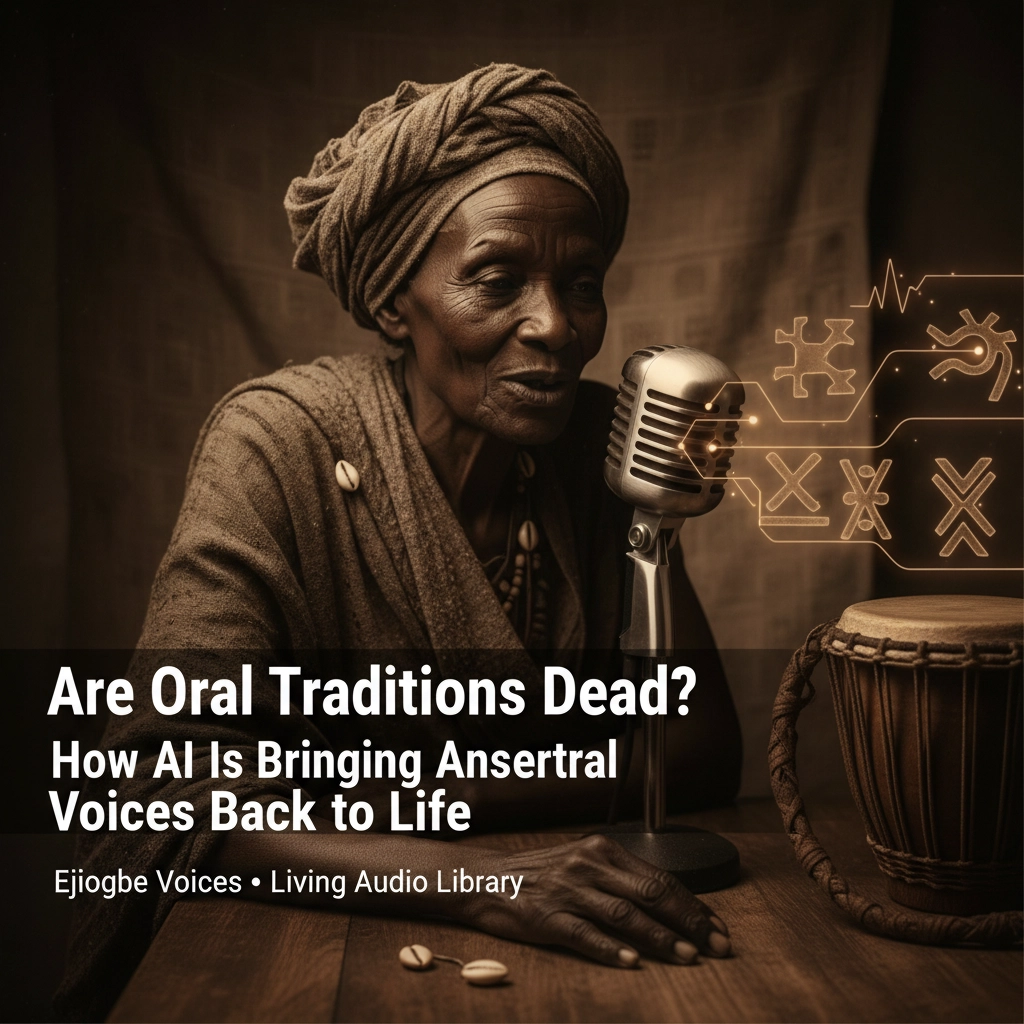


In communities across the globe, elders carry within their memories the sacred songs, healing practices, and ancestral stories that have guided generations. Yet with each passing year, we witness the quiet disappearance of languages, the fading of traditional knowledge, and the loss of wisdom that took centuries to cultivate. Today, a quiet revolution is taking place: one where digital archives are emerging as the new sanctuaries for our most vulnerable cultural treasures.
Beyond Books: What Makes Digital Archives Different
Traditional libraries have long served as guardians of knowledge, but digital archives represent something fundamentally different. Where libraries focus on circulation and access, digital archives prioritize preservation imperative: the urgent mission to safeguard cultural wisdom before it vanishes entirely.
These digital sanctuaries don't just store information; they preserve the living essence of cultural practices. Through sophisticated audio and video capture, they maintain the rhythm of ceremonial chants, the inflection of storytelling voices, and the precise movements of traditional crafts. Unlike physical books that can deteriorate or be lost, digital archives create multiple backup copies, ensuring that ancestral voices continue speaking to future generations.

The technology behind these archives goes far beyond simple storage. Modern systems use AI knowledge management to organize vast collections of cultural materials, making it possible for communities to quickly locate specific ceremonies, genealogies, or traditional recipes that might have taken hours to find in physical collections.
Real-World Guardians: Communities Leading the Way
Across continents, indigenous communities are pioneering innovative approaches to digital preservation. In New Zealand, Māori communities have created digital repositories that store traditional whakatōhea (genealogies) alongside contemporary interpretations of ancient practices, ensuring that younger generations can access their heritage in formats they understand.
The Smithsonian Institution's Recovering Voices initiative demonstrates how digital archives can resurrect nearly extinct languages. Through careful collaboration with tribal elders, they've digitized thousands of hours of recordings, creating searchable databases where community members can hear their grandparents' voices sharing stories they thought were lost forever.
In Africa, the Digital Heritage Research Centre at the University of Cape Town works with communities to preserve oral histories, traditional music, and indigenous knowledge systems. Their approach emphasizes community ownership: ensuring that each community retains control over how their cultural materials are accessed and shared.
Breaking Down Barriers: Solving the Access Challenge
One of the most powerful aspects of digital archives is their ability to democratize access to cultural knowledge while respecting community protocols. Traditional libraries often required physical presence and specific opening hours, creating barriers for diaspora communities seeking connection to their heritage.
Digital archives solve this through smart access controls that honor cultural sensitivities. Some materials remain available only to community members, while others can be shared more broadly to educate and inspire. The Plateau Peoples' Web Portal, for example, allows tribal members to access sacred materials through secure login systems while offering educational content to researchers and the general public.

These systems also address language barriers by incorporating multilingual interfaces and translation tools, enabling younger generations who may not speak ancestral languages to still connect with their cultural heritage. Voice recognition technology can even help users search for specific terms in indigenous languages, making vast archives truly searchable.
The Art of Digital Curation: More Than Storage
What transforms a simple digital storage system into a living cultural archive is the careful art of curation. Unlike dumping files into folders, effective digital archives require cultural protocol expertise: understanding which materials can be shared openly, which require restricted access, and which should only be viewed during specific seasons or ceremonies.
Expert curators work closely with community elders to ensure that digital preservation maintains the sacred context of cultural materials. This means organizing collections not just by date or topic, but by cultural significance, ceremonial use, and community protocols.
The most successful archives also include metadata rich descriptions that capture not just what an item is, but why it matters, who can access it, and how it should be used. This contextual information ensures that future generations understand not just the content, but the cultural framework that gives it meaning.
Building Living Communities, Not Static Museums
The revolution in digital archives extends beyond preservation to community building. Modern platforms create spaces where cultural practitioners can share interpretations, discuss traditional practices, and collaborate on contemporary applications of ancestral wisdom.

The Native American Traditional Knowledge Archive exemplifies this approach by creating discussion forums where tribal members can debate the meaning of historical documents, share family memories that add context to archived materials, and contribute their own recordings of traditional practices.
These interactive elements transform archives from passive repositories into living cultural spaces where traditions continue evolving. Community members can upload their own interpretations of traditional songs, share family recipes that complement archived cooking techniques, or add contemporary artwork inspired by historical pieces.
Bridging Generations Through Technology
Perhaps the most profound impact of digital archives is their ability to bridge generational gaps. Young people who might never have shown interest in sitting with elders to hear traditional stories find themselves drawn to interactive digital platforms that present cultural knowledge in familiar formats.
Virtual reality experiences allow users to participate in traditional ceremonies, explore historical village layouts, or learn traditional crafts through immersive simulations. These technologies don't replace real cultural experiences but create entry points for deeper engagement.
Gaming elements and interactive timelines make cultural learning engaging for digital natives while maintaining the reverence and respect that traditional knowledge deserves. The key is ensuring that technology serves culture, not the other way around.
Protecting Wisdom for Tomorrow
The shift toward digital archives represents more than technological advancement: it embodies a collective commitment to cultural survival. Unlike legal frameworks alone, which can be slow and limited in scope, digital preservation empowers communities to take immediate action to protect their heritage.

These archives also serve as powerful tools for cultural revitalization. Communities can use preserved materials to restart lost practices, teach traditional languages to new speakers, and inspire contemporary artists who want to honor ancestral techniques while creating something new.
The most successful digital archives recognize that preservation is not about freezing culture in time, but about ensuring that traditional knowledge remains accessible and relevant for contemporary communities while maintaining its essential character and sacred context.
The Path Forward
As we move deeper into the digital age, the role of digital archives as cultural guardians will only grow more critical. The technology exists to preserve our most endangered wisdom traditions: what's needed now is the commitment to use these tools thoughtfully and respectfully.
Communities around the world are proving that digital archives can serve as more than storage solutions. They can be bridges between worlds: honoring the past while empowering the future, respecting tradition while embracing innovation, and ensuring that the voices of our ancestors continue to guide and inspire generations yet to come.
Through careful collaboration between elders, technologists, and community members, we can create digital sanctuaries that preserve not just information, but the wisdom, context, and living spirit of our most precious cultural traditions.
At Ejiogbe Voices, we believe in the power of technology to serve cultural preservation while maintaining the reverence and respect that traditional knowledge deserves.