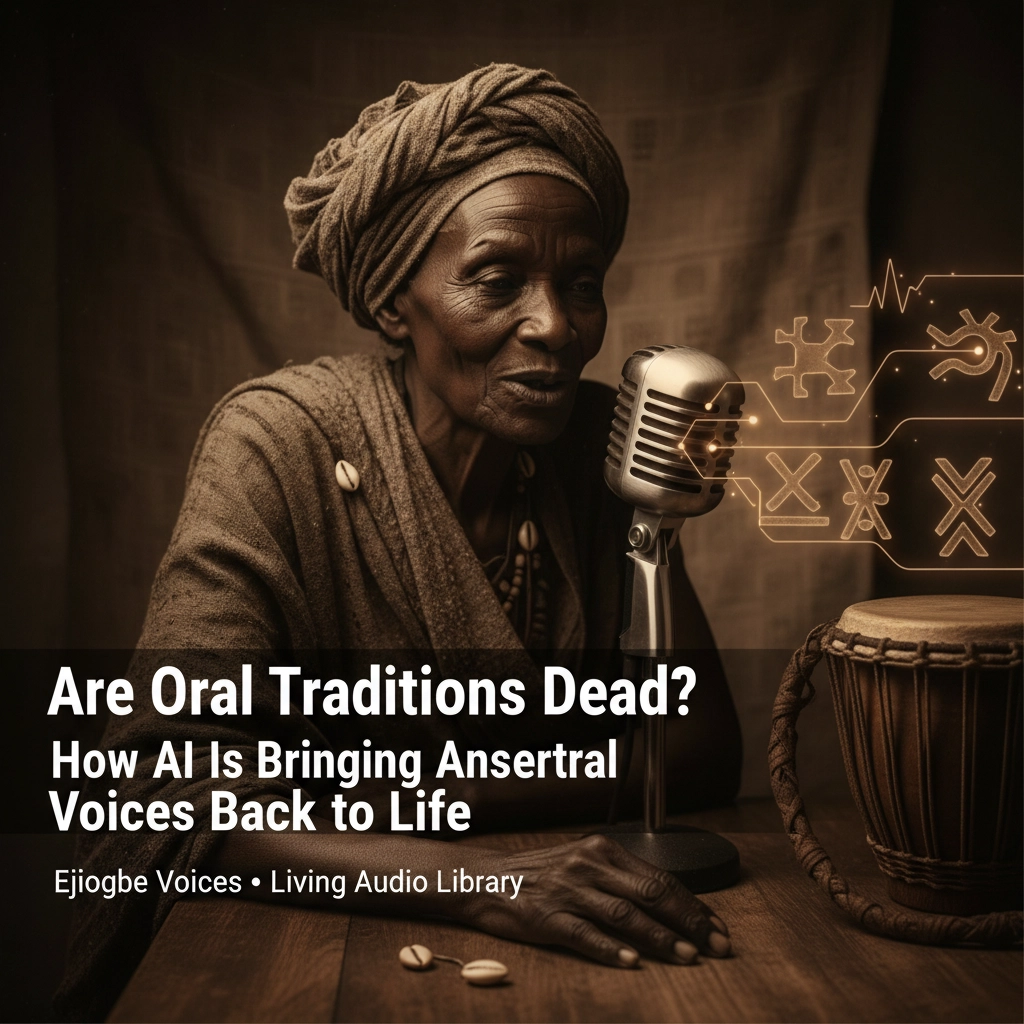


When we speak of survival in the context of AI Indigenous language preservation, we're not merely discussing the persistence of words or sounds. We're exploring what endures when respect, wisdom, and technology converge in service of cultural continuity. When Indigenous language preservation is approached with reverence, proper methodology, and community ownership, the results transcend simple documentation: they create living bridges between generations.
The question of what survives when preservation efforts are executed correctly reveals itself in the voices of children who suddenly understand their grandmother's lullabies, in the confidence of elders whose wisdom finds new pathways to young hearts, and in communities that reclaim not just words, but entire worldviews embedded within their ancestral tongues.
The Living Language Ecosystem
When AI Indigenous language preservation is conducted with cultural sensitivity and technical excellence, the entire language ecosystem survives and flourishes. This includes not just vocabulary and grammar, but the subtle inflections that carry emotional weight, the ceremonial cadences that connect speakers to sacred practices, and the storytelling rhythms that have carried wisdom across centuries.

The preserved language retains its contextual richness: the way certain words are spoken during harvest seasons, the tonal variations that distinguish between everyday conversation and spiritual discourse, and the generational differences that reflect historical experiences. These nuances survive because proper preservation captures not just what is said, but how, when, and why it is spoken.
Cultural protocols embedded within language use also endure. The respectful forms of address for elders, the ceremonial language reserved for sacred occasions, and the gender-specific linguistic patterns that reflect traditional social structures: all these survive when preservation efforts honor the community's guidance about what should be shared and how.
Intergenerational Wisdom Transmission
Perhaps the most profound survival occurs in the realm of knowledge transfer. When preservation is done correctly, the wisdom of elders doesn't simply survive: it finds new vessels and pathways. Young people who may have felt disconnected from their heritage discover that they can access centuries of accumulated knowledge through their ancestral language.
Traditional ecological knowledge survives intact, carrying with it detailed understanding of local ecosystems, seasonal patterns, and sustainable practices that have sustained communities for generations. The preserved language becomes a living library where botanical knowledge, hunting wisdom, and agricultural practices remain accessible to future generations.
Spiritual and ceremonial traditions also survive through properly preserved language. Prayers, chants, and ritual words maintain their power and meaning because the preservation process respects their sacred nature while ensuring their availability to those who need them.
Community Empowerment and Cultural Pride
When AI language preservation is executed with community ownership at its core, something remarkable survives: the community's sense of agency and cultural pride. Rather than feeling like subjects of documentation, communities become the guardians and directors of their own digital heritage.

This empowerment manifests in increased cultural confidence among community members, particularly youth who may have previously felt shame or disconnection from their heritage. The preservation process becomes a celebration rather than a funeral, fostering pride in cultural identity and linguistic heritage.
Leadership structures within communities also survive and often strengthen. Elders find their role as knowledge keepers validated and enhanced by technology, while younger community members develop new skills in digital archiving and AI tools that serve their cultural goals.
Technical Infrastructure for Perpetuity
The technical aspects that survive proper AI Indigenous language preservation extend far beyond simple recordings. Robust metadata systems ensure that future researchers and community members understand not just what was recorded, but the cultural context, appropriate usage guidelines, and the stories behind the preservation effort.
Scalable storage solutions guarantee that the preserved language data remains accessible across technological transitions. When preservation follows best practices, the digital infrastructure adapts and migrates across platforms, ensuring that today's preservation efforts won't become tomorrow's digital archaeology projects.
The AI models themselves survive as cultural artifacts, trained specifically on the community's language patterns and needs. These models become tools that can generate new content in the preserved language, assist with translation, and even help detect when the language is being used inappropriately by outsiders.
Educational Frameworks and Learning Resources
Properly executed preservation creates comprehensive educational frameworks that survive to serve multiple generations. These aren't just language lessons, but complete cultural immersion experiences that teach language within its proper cultural context.

Interactive learning tools developed during the preservation process continue to serve communities long after the initial documentation is complete. These tools adapt to different learning styles and age groups, ensuring that everyone from toddlers to adults can engage with their ancestral language.
The preservation effort also generates teacher training resources that empower community members to become language educators. This capacity-building ensures that the community doesn't become dependent on external experts but develops its own linguistic educators.
Cultural Adaptation and Evolution
When done correctly, language preservation doesn't freeze culture in time: it creates space for natural linguistic evolution while maintaining core cultural elements. The preserved language becomes a foundation from which contemporary speakers can develop new vocabulary for modern concepts while maintaining traditional grammatical structures and cultural values.
Contemporary relevance survives through preservation efforts that document how the language adapts to modern life. Young speakers learn not just ancient ceremonies but how to discuss technology, global issues, and contemporary experiences in their ancestral tongue.
Community Networks and Collaboration
The social infrastructure that emerges from successful preservation efforts often proves to be one of the most valuable survival outcomes. Inter-community connections strengthen as different Indigenous communities share best practices, technical resources, and emotional support for their preservation efforts.

Partnerships with academic institutions survive and evolve, creating ongoing research opportunities that serve community needs rather than external academic interests. These relationships become models for ethical collaboration between Indigenous communities and educational institutions.
International Indigenous networks also benefit from successful preservation efforts, as communities share their experiences and resources across borders, creating a global movement for Indigenous language revitalization.
Economic and Social Opportunities
Properly executed language preservation creates sustainable economic opportunities within communities. Language teachers, cultural consultants, technology specialists, and cultural content creators all emerge as viable career paths for community members.
The preservation effort also generates cultural tourism opportunities that respect community boundaries while providing income streams. Communities can share their linguistic heritage with visitors in ways that honor their protocols while supporting local economic development.
The Ripple Effect of Success
When AI Indigenous language preservation is done correctly, the benefits ripple outward in ways that extend far beyond the original goals. Other endangered languages benefit from the technical innovations and community engagement strategies developed during successful projects.
Academic disciplines evolve as they learn from Indigenous knowledge systems preserved through language. Linguistics, anthropology, ecology, and other fields gain new insights that enhance their understanding of human knowledge and environmental relationships.
The broader society also benefits as preserved Indigenous languages contribute to global cultural diversity and offer alternative ways of understanding relationships between humans, nature, and community.
The path forward requires commitment to community ownership, technical excellence, and cultural respect. For those ready to participate in this essential work, Ejiogbe Voices provides the tools and framework needed to ensure that your preservation efforts create lasting, meaningful survival for generations to come.
What survives when done correctly isn't just language: it's the complete cultural ecosystem that gives meaning to every word, every phrase, and every story that defines a people's relationship with the world.