
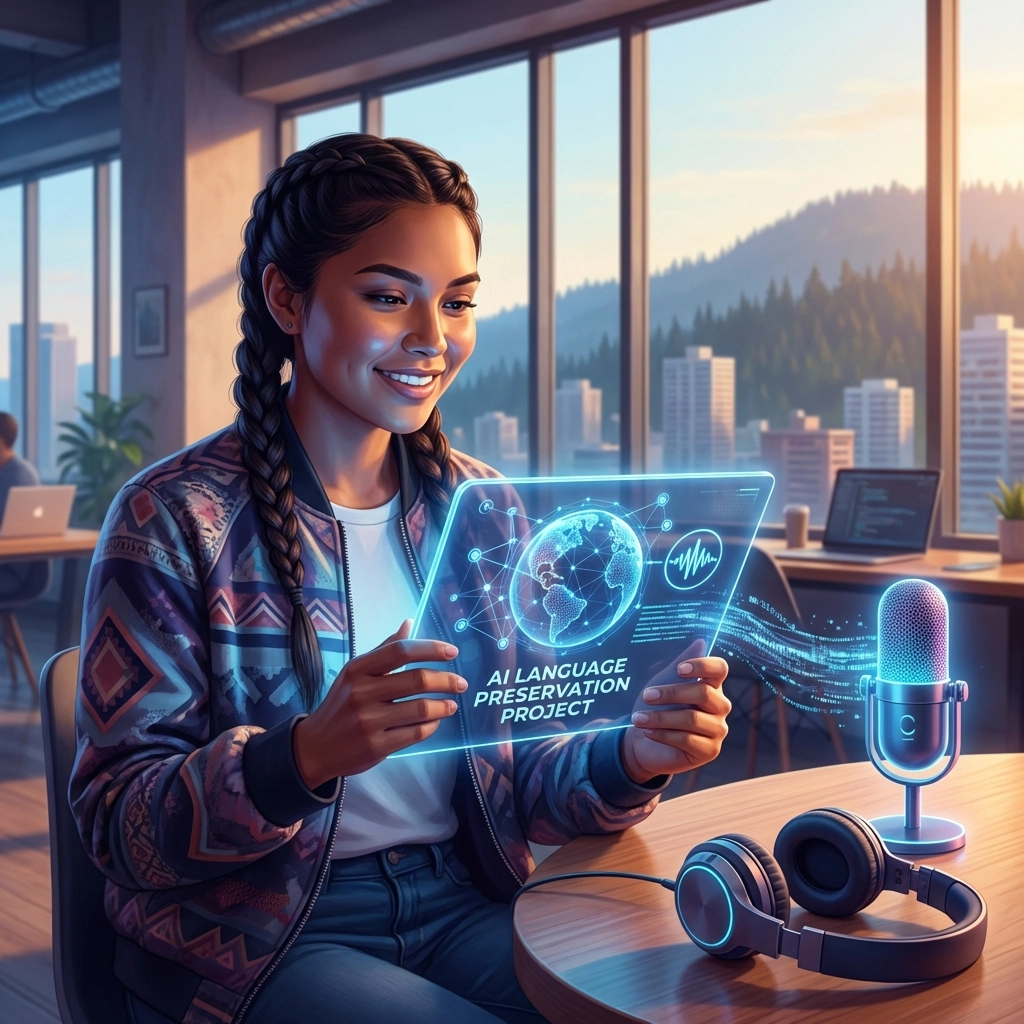
The voices of our ancestors carry wisdom that transcends generations, yet today thousands of Indigenous languages face extinction. As we stand at the intersection of technological innovation and cultural preservation, artificial intelligence emerges not as a replacement for human connection, but as a powerful ally in safeguarding the linguistic heritage that defines communities worldwide.
The future of AI Indigenous language preservation rests on a foundation of respect, collaboration, and community leadership. We are witnessing the dawn of an era where technology serves culture, where algorithms amplify ancestral voices, and where digital tools become vessels for intergenerational transmission of knowledge, stories, and identity.
Emerging Technologies Shaping Tomorrow's Preservation Efforts
The landscape of AI language preservation is rapidly evolving, with innovative solutions emerging that honor both technological capability and cultural sensitivity. The First Languages A.I. Reality (FLAIR) Initiative represents a groundbreaking approach, developing customized automatic speech recognition models specifically designed for Indigenous languages across the globe.

These technologies extend far beyond simple recording devices. Projects like "Language in a Box" deliver portable, voice-based learning systems that provide personalized lessons tailored to individual learning patterns and community dialects. This technology recognizes that each Indigenous language carries unique phonetic structures, grammatical patterns, and cultural contexts that require specialized attention.
Generative AI and large language models are revolutionizing our approach to linguistic resource creation. These advanced systems can rapidly produce educational materials, interactive exercises, and reference tools from minimal data inputs, dramatically reducing the time and resources traditionally required for language documentation projects.
Translation tools specifically designed for languages like Cherokee demonstrate the potential for AI to bridge communication gaps while preserving linguistic authenticity. Meanwhile, conversational AI systems like "Masheli" for Choctaw create safe, non-judgmental environments where learners can practice without fear of correction, encouraging natural language acquisition through interaction rather than formal instruction.
Community-Centered Innovation: The Heart of Sustainable Solutions
The most promising developments in AI language preservation emerge from partnerships where Indigenous communities maintain control over their linguistic heritage. This community-centered approach ensures that technological solutions align with cultural values, preservation goals, and traditional knowledge systems.

Successful projects like New Zealand's "Kōrero Māori" illustrate the power of community leadership in AI development. These initiatives establish frameworks that prevent data misuse while actively involving elders and cultural keepers in the recording and validation processes. Community members guide AI development priorities, maintain data governance, and ensure that technological decisions reflect the cultural nuances that make each language unique.
This approach recognizes that Indigenous communities are not passive subjects of preservation efforts but active architects of their linguistic futures. When communities control the narrative, AI becomes a tool for cultural empowerment rather than external intervention.
Human-AI Collaboration: Technology as Cultural Infrastructure
The future of AI language preservation depends on recognizing artificial intelligence as cultural infrastructure rather than a replacement for human expertise. This fundamental shift in perspective transforms how we approach technological integration in preservation work.
AI excels at pattern recognition, data processing, and rapid content generation, but it cannot replicate the emotional connection, cultural context, and lived experience that native speakers bring to language transmission. The most effective preservation strategies combine AI's computational power with human creativity, cultural knowledge, and authentic speaking experience.

Active participation from native speakers and linguists ensures linguistic authenticity while preventing AI models from introducing biases from dominant cultures. This collaboration manifests in multiple ways: elders guide AI training with culturally appropriate content, linguists validate automated transcriptions for accuracy, and community members test AI-generated educational materials for cultural sensitivity.
These partnerships create feedback loops where human expertise continuously improves AI performance, while AI tools enhance human capacity to create and distribute educational resources at scale.
Overcoming Infrastructure Barriers for Equitable Access
The digital divide presents significant challenges to AI-powered language preservation efforts. Many Indigenous communities lack reliable internet access, modern computing devices, and technical support infrastructure necessary to fully participate in digital preservation initiatives.
Addressing these barriers requires innovative approaches to technology delivery and community capacity building. Portable, offline-capable systems that can function in remote locations without consistent internet connectivity become essential tools for equitable access.

Educational partnerships between technology providers, academic institutions, and local communities create pathways for skill development and technical support. These collaborations must prioritize community needs while building local capacity for long-term technology maintenance and development.
Funding strategies that support sustained engagement rather than short-term projects ensure that communities can develop and maintain AI-powered preservation systems over time. This long-term commitment recognizes that language revitalization is an ongoing process requiring continuous support and adaptation.
Amplifying Voices Through Digital Platforms
The future includes sophisticated strategies for amplifying Indigenous voices through digital platforms and social media integration. AI-powered tools enable communities to create compelling multimedia content that showcases language use in contemporary contexts, making linguistic heritage relevant and accessible to younger generations.
These platforms encourage digital conversations in Indigenous languages, creating virtual spaces where community members can practice and share linguistic knowledge across geographical boundaries. AI translation and voice technologies facilitate cross-cultural communication while preserving linguistic distinctiveness.

Digital archives enhanced by AI organization and search capabilities become treasure troves of cultural knowledge accessible to future generations. These repositories combine audio recordings, written texts, visual materials, and interactive learning tools in formats that engage diverse learning styles and preferences.
What Success Looks Like: Living Languages in Digital Spaces
Successful AI Indigenous language preservation creates ecosystems where languages thrive in digital environments while maintaining their essential human connections. In these futures, young people confidently use AI-powered tools to learn ancestral languages, elders share wisdom through accessible digital platforms, and communities maintain control over their linguistic heritage.
Success means that AI tools become transparent extensions of community knowledge sharing, so seamlessly integrated that technology fades into the background while cultural transmission flourishes. These systems support rather than supplant traditional learning methods, creating multiple pathways for language acquisition and practice.
The ultimate measure of success lies not in technological sophistication but in the vitality of living language communities empowered by digital tools to preserve, practice, and transmit their linguistic heritage to future generations.
The Path Forward: Building Tomorrow's Preservation Infrastructure
The future of AI Indigenous language preservation requires sustained commitment to community partnership, technological innovation, and cultural sensitivity. Organizations like Ejiogbe Voices demonstrate how technology companies can support these efforts through platforms designed with Indigenous community needs at their core.
Moving forward, we must continue developing AI systems that honor cultural protocols while leveraging technological capabilities for preservation and transmission. This means creating tools that communities can control, customize, and maintain according to their unique requirements and values.
The convergence of artificial intelligence and Indigenous language preservation represents more than technological advancement: it embodies our collective responsibility to ensure that ancestral voices continue speaking to future generations. Through respectful collaboration, community leadership, and innovative technology, we build bridges between past wisdom and future possibilities, ensuring that no language disappears in silence.
As we advance into this digital future, we carry the responsibility to ensure that technology serves culture, that innovation honors tradition, and that artificial intelligence amplifies rather than replaces the irreplaceable voices of our elders and community knowledge keepers.