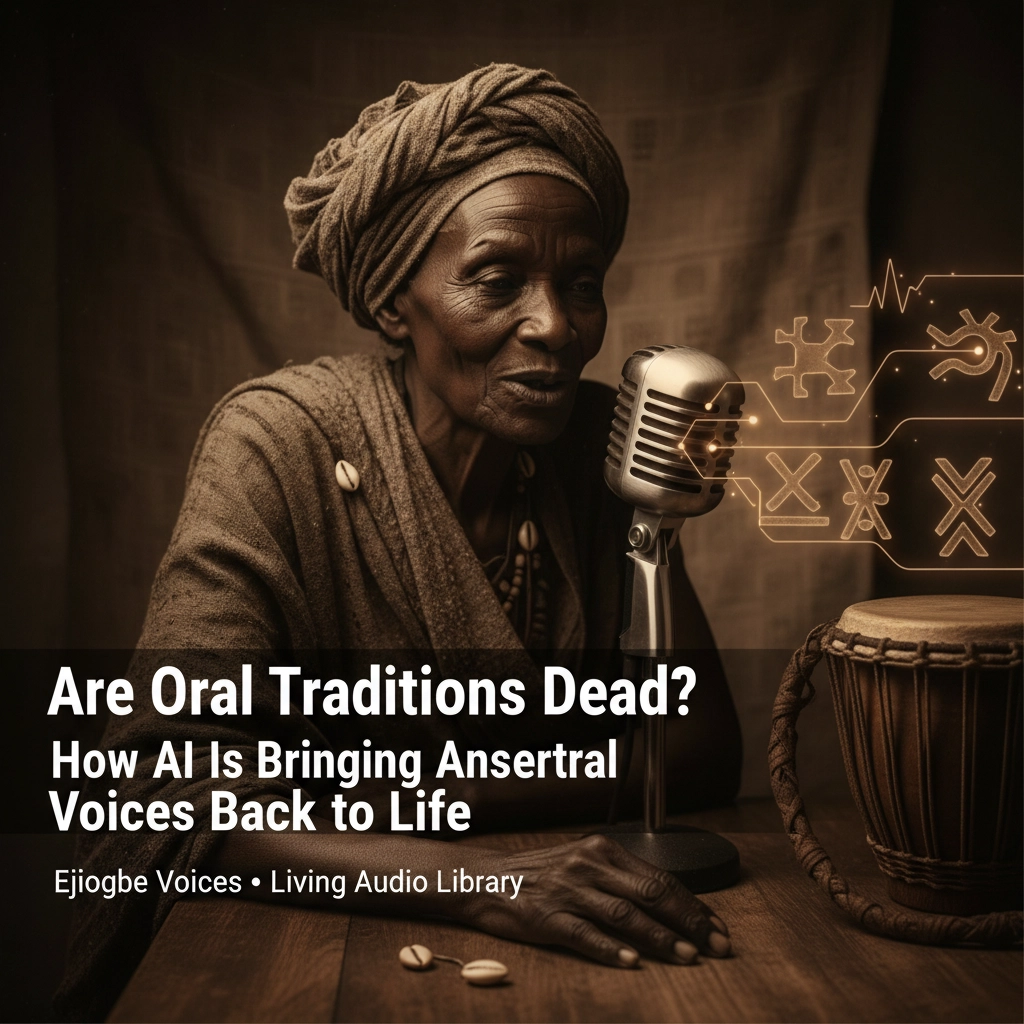


In quiet libraries across the world, a revolution is taking place. Librarians: those keepers of knowledge we often take for granted: are becoming the architects of something extraordinary: community-driven digital archives that preserve our most precious cultural voices. They're not just cataloging books anymore; they're bridging generations, empowering elders to share ancestral wisdom, and teaching young people to become the guardians of their own heritage.
This movement represents far more than digitization. It's about returning ownership of cultural narratives to the communities they belong to, ensuring that the voices of African grandmothers, Pacific Island storytellers, Caribbean griots, South Asian poets, and Indigenous knowledge keepers find permanent homes in the digital realm.
The Unsung Heroes Leading Change
Across continents, librarians are stepping into roles they never imagined: becoming cultural facilitators, technology teachers, and community organizers all at once. At the Apia Public Library in Samoa, librarian Sina Maulolo spent two years learning traditional tatau (tattooing) ceremonies alongside village elders, not to become a tattoo artist, but to understand the deep cultural protocols needed before digitizing these sacred practices.
"When we preserve something digitally, we must first understand its spiritual weight," Sina explains. "The elders teach us which stories can be shared widely, which require certain permissions, and which must remain within specific family lines."

In Kingston, Jamaica, the Institute of Jamaica's librarians work with community members in Spanish Town to create digital oral history collections. They've established "wisdom circles" where elders share stories in Patois while young volunteers help with recording and transcription. The result? A growing archive of Caribbean voices that captures not just what happened, but how it felt to live through Jamaica's transformation from colonial rule to independence.
Meanwhile, at the University of Cape Town's African Studies Library, librarians collaborate with communities across South Africa to digitize struggle songs, praise poetry, and traditional healing practices. Their "Ubuntu Digital Heritage Project" has already preserved over 3,000 hours of audio recordings in 15 different African languages.
Breaking Down Barriers Between Generations
The most beautiful aspect of these community-driven archives is how they naturally bring together elders and youth. In Hyderabad, India, the British Library's Endangered Archives Programme partnered with local librarians to preserve centuries-old Urdu manuscripts. The twist? They trained college students in paleography: the study of ancient handwriting: turning young people into collaborators rather than just beneficiaries.
Twenty-year-old Fatima Sheikh, a computer science student, describes her experience: "My grandmother always said I spent too much time on computers and not enough learning about our culture. Now I'm using technology to preserve the very stories she grew up hearing. She sits with me while I work, correcting my translations and sharing context I could never find in books."

In the Pacific, the University of Hawaii's Hamilton Library runs a program called "Digital Mo'omoku" (Digital Stories) where Native Hawaiian elders work alongside tech-savvy youth to create multimedia archives. The elders share traditional chants, navigation techniques, and medicinal plant knowledge, while young people handle the technical aspects of recording, editing, and organizing digital files.
Technology as a Bridge, Not a Barrier
One of the greatest challenges librarians face is making sophisticated archival technology accessible to communities where many elders have limited digital literacy. The solution? They're redesigning the entire approach.
At the First Nations University of Canada in Saskatchewan, librarians developed a voice-activated cataloging system that allows Cree and Ojibwe speakers to organize archives using their native languages. Elders can simply say "miyo-pimatisiwin" (good life) and the system will pull up all related recordings about wellness traditions.
Caribbean librarians in Port of Spain, Trinidad, created "Story Booths": comfortable, private recording spaces where community members can share memories without feeling intimidated by complex equipment. A simple "press the red button" instruction has yielded thousands of hours of Trinidadian folklore, calypso history, and memories of Carnival traditions dating back to the 1940s.
Ownership and Authority in the Digital Age
What sets these community-driven archives apart from traditional institutional collections is the question of ownership. Librarians are learning to step back and let communities control their own narratives.

The Pacific Arts Association worked with Fiji's National Library to establish clear protocols: all digitized materials remain under community ownership, with libraries serving as technical partners rather than proprietors. Villages decide which materials can be accessed publicly, which require permission, and which should remain private to specific clans or families.
This approach has revolutionized trust between Indigenous communities and academic institutions. Dr. Ana Tuwere, a Fijian anthropologist, notes: "For too long, researchers took our stories and locked them away in foreign universities. Now our own libraries help us preserve what we choose to preserve, share what we choose to share."
The Ripple Effects of Community Archives
These grassroots digitization efforts are creating unexpected benefits. In Ghana, the Balme Library at the University of Ghana partnered with rural communities to digitize traditional farming practices. Young people who had migrated to cities began accessing these archives to reconnect with agricultural knowledge their grandparents possessed, leading to a resurgence in sustainable farming techniques.
South Asian communities in Toronto worked with local librarians to create digital collections of Bollywood music from the 1950s and 60s, complete with personal stories about how these songs connected immigrants to home. The archive has become a gathering point for intergenerational conversations about identity, belonging, and cultural preservation in the diaspora.
Challenges and Creative Solutions
The work isn't without obstacles. Funding remains tight, technology can be finicky, and navigating cultural protocols requires immense sensitivity. Many librarians are essentially teaching themselves anthropology, linguistics, and community organizing while managing their traditional duties.
But they're finding creative solutions. The Internet Archive's Community Webs program has grown to include over 270 libraries worldwide, providing professional-grade tools for web archiving and digital preservation. Collectively, these libraries have preserved over 200 terabytes of community data: everything from local news to neighborhood blogs.

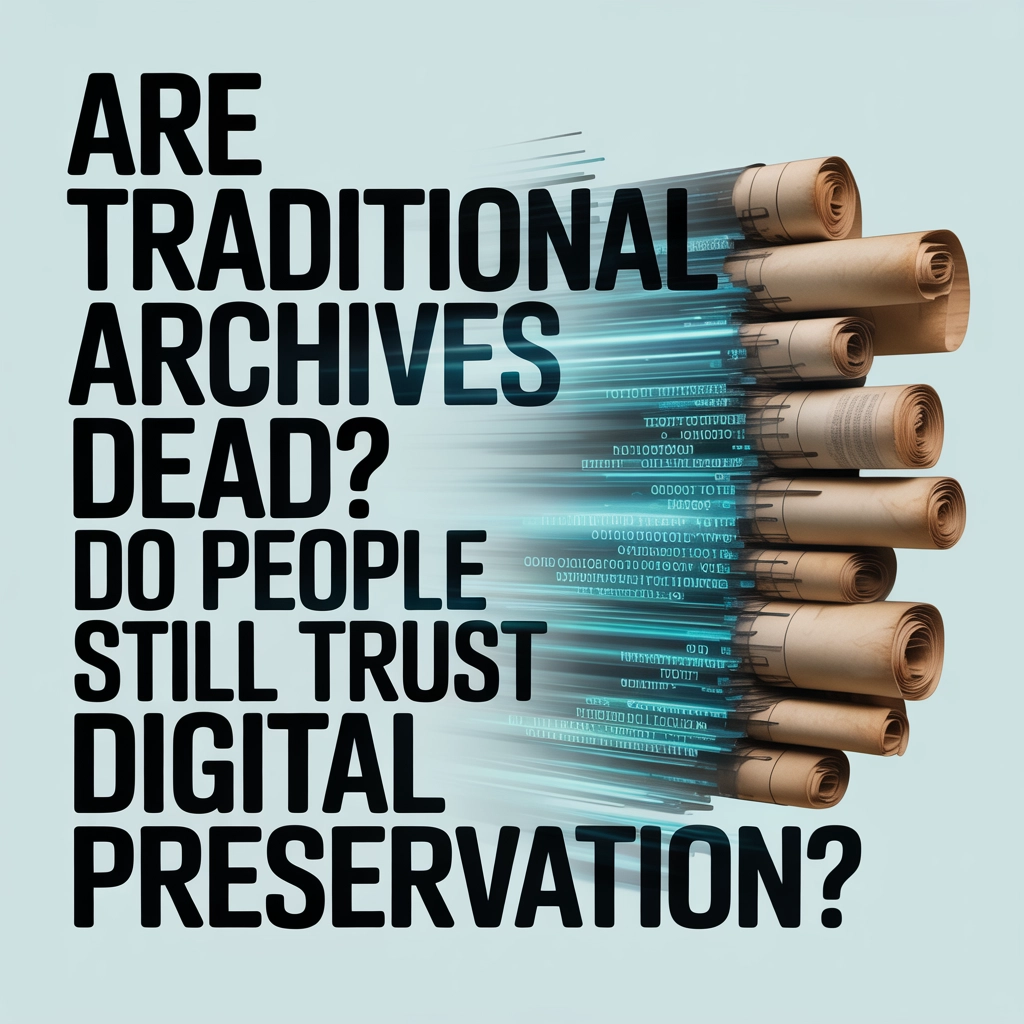
Librarians are also addressing the "digital shelf life" problem. Unlike physical books that can last centuries, digital files require constant maintenance. Libraries in New Zealand developed "community custody" agreements where multiple institutions share responsibility for maintaining copies of important cultural materials, ensuring no single technical failure can destroy precious archives.
Building the Future Together
The future of community-driven digital archives lies in collaboration: not just between librarians and communities, but between communities themselves. Indigenous groups in Australia are sharing preservation techniques with First Nations communities in Canada. African griots are learning from Caribbean storytellers about recording methods that capture not just words, but vocal rhythms and emotional nuances.
At Ejiogbe Voices, we see these grassroots movements as inspiration for how technology can truly serve communities rather than simply collecting their data. The work librarians are doing proves that the most powerful digital tools are those that amplify community voices while respecting cultural protocols and community ownership.
The Wisdom Keepers
As we move deeper into the digital age, librarians have evolved from gatekeepers of information to facilitators of community storytelling. They're not just preserving the past: they're ensuring that future generations will hear their elders' voices, understand their ancestors' wisdom, and feel connected to cultural traditions that might otherwise fade away.

The revolution happening in libraries worldwide reminds us that technology's greatest power lies not in replacing human connection, but in strengthening it. When a Maori teenager in New Zealand can hear her great-grandmother's traditional songs, when a young Nigerian American can access proverbs in his grandmother's Igbo dialect, when a Caribbean youth can learn the drumming patterns that carried his ancestors through centuries of struggle: that's when digital archives become more than repositories of data. They become bridges across time, connecting generations through the universal language of story.
In these quiet collaborations between librarians, elders, and youth, we glimpse the future of cultural preservation: one where communities control their own narratives, where technology serves wisdom rather than replacing it, and where the voices of our ancestors continue to guide and inspire for generations to come.