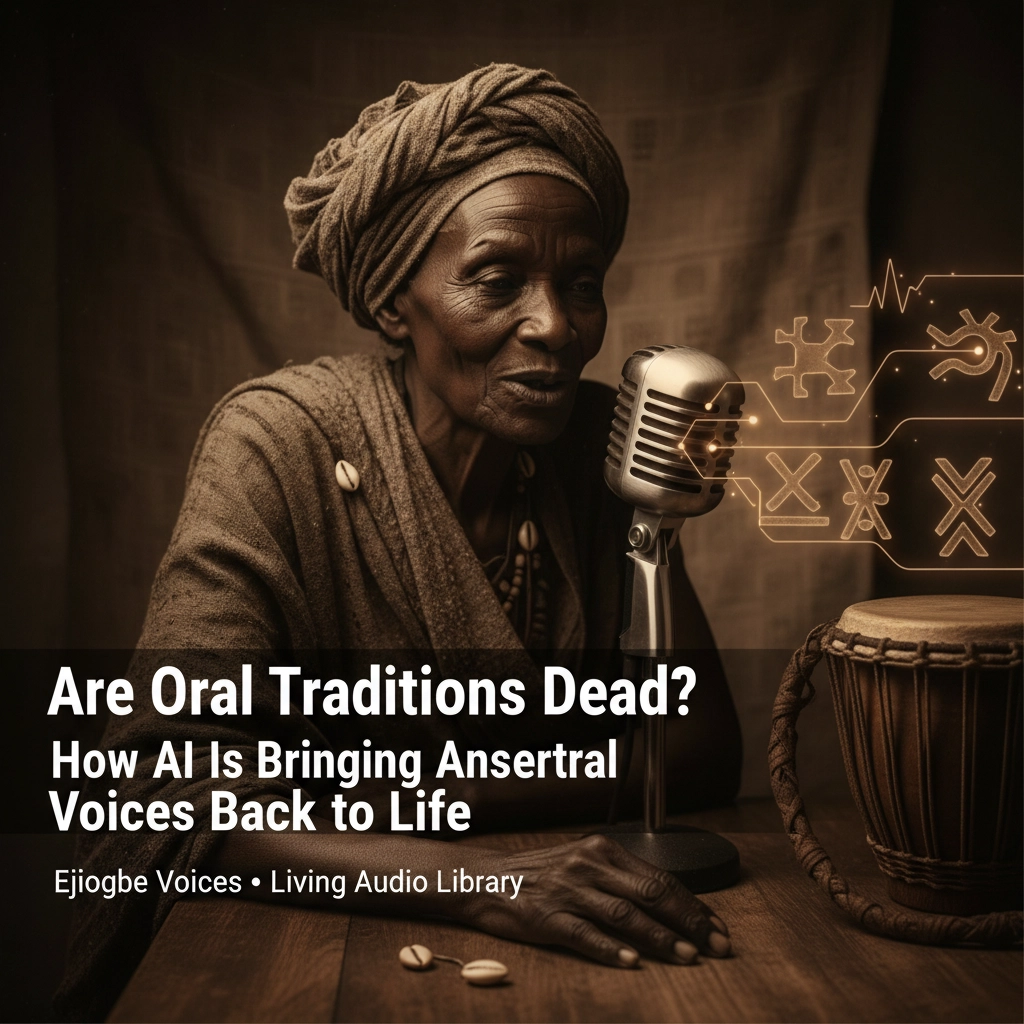


There's something magical happening in communities around the world. In living rooms, community centers, and tribal halls, elders who once viewed technology with skepticism are now picking up microphones, adjusting headphones, and pressing record. They're becoming digital storytellers, transforming centuries-old oral traditions into accessible audio archives that will echo through generations.
This isn't just about preservation: it's about empowerment. Our elders are discovering that technology, when approached with respect and purpose, becomes a bridge rather than a barrier. They're creating living libraries of wisdom, ensuring their voices, songs, and teachings survive and thrive in our digital age.
The Beautiful Transformation: From Skeptic to Storyteller
The journey often begins with hesitation. Many elders express initial concerns about participating in digital storytelling programs, feeling overwhelmed by unfamiliar technology. Yet something remarkable happens when they realize the purpose isn't about mastering complex systems: it's about sharing their irreplaceable stories.

Overcoming the Digital Divide with Purpose
Elders consistently report satisfaction and accomplishment once they engage in the creative process of digital storytelling. The key lies in approaching technology as a tool for cultural continuation rather than a foreign concept to master. When the focus shifts from learning technology to preserving heritage, barriers dissolve.
Communities worldwide are witnessing this transformation. Elders learn to use computers, tablet devices, and recording equipment not because they must, but because they understand their stories matter. They're turning photographs into dynamic narratives enhanced with their own voices and personal commentary, creating multimedia experiences that capture both facts and feelings.
The Power of Audio in Cultural Preservation
Audio recordings hold unique power in cultural preservation. Unlike written accounts, audio captures the rhythm of speech, the emotion in a storyteller's voice, the pauses that carry meaning, and the musical qualities of traditional languages. When elders record their stories, they're not just sharing information: they're transmitting the very essence of their cultural expression.
Community-Based Approaches: Honoring Tradition Through Technology
The most successful digital storytelling initiatives are those driven by communities themselves. Indigenous and cultural communities are leading the way, taking control of how their stories are told and heard. This community-based approach ensures authenticity and cultural appropriateness throughout the preservation process.
Respecting the Sacred in the Digital
Elders play crucial roles not just as storytellers but as active participants in the editing and curation process. They ensure that the transformation from oral to digital story maintains cultural authenticity and appropriate context. This collaborative approach honors the sacred nature of many traditional stories while making them accessible to future generations.
Community leaders work alongside technology facilitators, with respect and reciprocity influencing every decision. The relationship between filmmakers, technical support, and communities becomes fundamental to preserving not just the content of stories, but their cultural integrity.

Building Institutional Support
Organizations dedicated to cultural preservation are creating systematic approaches to elder storytelling. Some initiatives have been recording and collecting audio and video footage for over two decades, creating extensive repositories of community wisdom. These efforts represent monumental commitments to digitizing analog and older digital formats into modern, accessible digital assets while preserving authenticity and integrity.
Practical Methods: How Communities Are Making It Happen
Simple Technology, Profound Impact
Modern digital storytelling doesn't require expensive equipment or advanced technical skills. Many successful projects use:
- Smartphone recording apps for basic audio capture
- Tablet devices with simple recording software
- Digital voice recorders for high-quality audio
- Community recording spaces in libraries or cultural centers
The beauty lies in simplicity. Elders create three to five-minute biographical narratives that can incorporate photographs, audio narration, sound effects, and simple transitions. This multimedia approach transforms passive consumption of history into an active, participatory process.
Creating Interactive Archives
The digitization process often culminates in creating interactive online databases that serve as dynamic, user-friendly gateways to access archived materials. These platforms are designed to be easily searchable, making them invaluable resources for community members, researchers, and students eager to reconnect with their cultural heritage.
These databases typically include:
- Audio recordings of stories, songs, and interviews
- Cultural event documentation
- Traditional knowledge about environment and customs
- Language preservation materials
- Historical accounts from community perspectives
The Ripple Effect: Benefits Beyond Preservation
Strengthening Community Pride and Identity
When elders become digital storytellers, the impact extends far beyond the recordings themselves. Communities report increased cultural pride, stronger intergenerational connections, and renewed interest in traditional practices among younger members.

The act of recording stories validates elders' knowledge and experiences, affirming their vital role as cultural keepers. Younger community members gain deeper appreciation for their heritage and often become inspired to learn traditional skills, languages, and practices.
Building Bridges Across Generations
Digital storytelling projects naturally create meaningful intergenerational exchanges. Students and young community members who work with elders in these programs report improved social associations and deeper understanding of their community's history and traditions.
These collaborations strengthen relationships between participants and create greater senses of belonging within communities. Elders share not just facts and stories, but values, wisdom, and perspectives that can only come from lived experience.
Practical Steps for Communities to Begin
Starting Small, Thinking Big
Communities interested in beginning elder storytelling initiatives can start with simple steps:
- Identify willing participants among community elders
- Secure basic recording equipment or partner with local organizations
- Create comfortable recording spaces in familiar community locations
- Begin with informal conversations rather than formal interviews
- Focus on specific themes like traditional foods, customs, or historical events
- Involve younger community members as technical assistants or interviewers
Building Technical Capacity
Many communities find success partnering with local schools, libraries, or cultural organizations that can provide technical support and equipment. The key is ensuring that community members maintain control over their stories while receiving the technical assistance they need.
Ensuring Cultural Appropriateness
Every community should establish guidelines for:
- What stories are appropriate to record and share
- Who has permission to access different recordings
- How sacred or sensitive content should be handled
- What languages should be prioritized
- How to credit and honor storytellers
Looking Forward: The Future of Elder Wisdom
As climate change impacts intensify and cultural pressures toward assimilation continue, elder digital storytelling becomes increasingly crucial. These audio archives serve as vital repositories documenting relationships between people and place, capturing environmental histories and traditional ecological knowledge that modern communities desperately need.

Elders use digital storytelling to articulate environmental changes they've witnessed, share traditional knowledge about environmental stewardship, and advocate for conservation action. Their voices become powerful tools for building community resilience and informing adaptation strategies.
Creating Living Archives
The goal isn't to create static museums of the past, but living archives that continue growing and evolving. As more elders embrace digital storytelling, these collections become dynamic resources that inspire ongoing cultural practice and innovation.
Communities are discovering that by honoring oral traditions through digital preservation, they're not replacing traditional practices: they're ensuring these traditions have the best chance of surviving and thriving in our interconnected world.
The transformation of community elders into digital storytellers represents more than technological adaptation. It's a reclaiming of narrative power, a celebration of wisdom, and a bridge between ancestral knowledge and future possibility. Through their voices, preserved in digital format, our elders ensure their wisdom continues to guide, inspire, and educate generations yet to come.
For communities ready to begin this journey, the path forward is clear: start with respect, proceed with purpose, and trust in the power of elder voices to create lasting change.