

Something remarkable is happening in digital spaces right now. Young people from African, Indigenous, Asian, Caribbean, and Latino communities aren't just asking for better representation: they're demanding it, creating it themselves, and fundamentally reshaping what authenticity means in our connected world.
This isn't the same conversation we've been having for decades. Today's youth aren't satisfied with token gestures or surface-level inclusion. They want to see their grandmothers' recipes preserved in cooking apps, their traditional stories told through interactive media, and their languages celebrated in voice recognition systems that actually understand their accents.
The question isn't whether this shift is coming: it's already here. The real question is whether the rest of us are prepared to meet this moment with the wisdom and respect it deserves.

The Cultural Awakening in Digital Archives
Young creators are becoming the new cultural archivists, but they're doing it on their own terms. Take Maya Chen, a 19-year-old developer from San Francisco, who created a mobile app that teaches Mandarin through her grandmother's traditional folk songs. Or Keisha Williams from Brooklyn, whose TikTok series documenting Caribbean healing traditions has garnered millions of views and sparked conversations about preserving ancestral knowledge.
These aren't isolated examples: they represent a generational awakening. Research shows that Gen Z views diversity through a much broader, more nuanced lens than previous generations, expecting authentic representation for mental health, language diversity, disability, and non-binary identities. But for diaspora communities, this goes deeper. It's about seeing their cultures reflected not as exotic curiosities, but as living, breathing traditions that deserve digital preservation and celebration.
Indigenous youth are leading particularly powerful movements in this space. The #NativeVoices hashtag on social media has become a rallying point for young Indigenous creators sharing everything from traditional beadwork tutorials to contemporary interpretations of ancestral stories. These creators aren't just making content: they're reclaiming narrative control that was taken from their communities for generations.
Beyond Representation: The Demand for Cultural Authenticity
What sets this generation apart is their understanding that authentic representation isn't just about seeing faces that look like theirs: it's about seeing their cultural wisdom reflected accurately and respectfully. Young people from diaspora communities are particularly sensitive to misrepresentation because they've watched their traditions be commodified, oversimplified, or appropriated throughout their lives.

Amara Okafor, a 22-year-old app developer from London with Nigerian roots, puts it this way: "I don't just want to see Black faces in tech ads. I want to see apps that understand how my family actually communicates, that know our proverbs, that respect our ways of storytelling." This sentiment echoes across communities: young Latinos creating language-learning apps that preserve regional dialects, Asian-American developers building platforms that honor family hierarchies and communication styles, Caribbean youth designing social networks that celebrate their musical and artistic traditions.
The data supports this shift in expectations. Teens are 7.5 times more likely to agree that brands should consult them directly in the creative process, rather than making assumptions about what they want. For diaspora communities, this consultation isn't just good business: it's essential for cultural accuracy.
The Economic Power of Authentic Connection
This demand for authenticity carries significant economic weight. With 48% of Gen Z planning to increase their social media purchases in 2025, and 43% starting their product searches on TikTok, their authenticity requirements directly impact the bottom line. But for young people from diaspora communities, purchasing decisions often extend beyond individual preference to community values.
Young creators are increasingly using their platforms to support businesses that demonstrate genuine cultural understanding. When a Caribbean food delivery app includes detailed descriptions of traditional preparation methods, or when a meditation app features guided practices from various cultural traditions with proper attribution, these aren't just features: they're statements of respect that drive loyalty and community support.

Current Gaps: Where We're Still Falling Short
Despite these advances, significant gaps remain. Many mainstream platforms still struggle with basic cultural competency. Voice recognition systems that can't understand accented English, photo-tagging algorithms that misidentify people of color, and content moderation systems that flag traditional dress or cultural practices as inappropriate: these aren't just technical limitations, they're barriers to full participation in digital spaces.
The gap is particularly pronounced in educational technology. While there's been progress in representing diverse faces in educational content, there's still a shortage of curriculum that authentically incorporates non-Western knowledge systems, learning styles, and cultural contexts. Young people from diaspora communities often find themselves navigating educational apps and platforms that reflect a narrow definition of "academic success" without acknowledging their cultural strengths and different ways of knowing.
What True Representation Looks Like
Authentic representation in digital spaces goes far beyond visual diversity. It means creating platforms where ancestral wisdom can coexist with cutting-edge technology, where traditional knowledge systems are valued alongside contemporary innovation, and where young people can see pathways to preserve their heritage while embracing digital transformation.
True representation means building AI systems that understand code-switching: the way many diaspora youth naturally move between languages and cultural contexts. It means developing social platforms that respect different concepts of privacy, community, and family structures. It means creating educational tools that acknowledge multiple ways of learning and teaching.

Most importantly, it means involving young people from these communities not as test subjects or focus groups, but as co-creators and decision-makers in the development process. The most successful initiatives are those that bring diaspora youth into leadership roles from the beginning, recognizing that their lived experiences are essential expertise, not just market research data.
The Role of Technology in Cultural Preservation
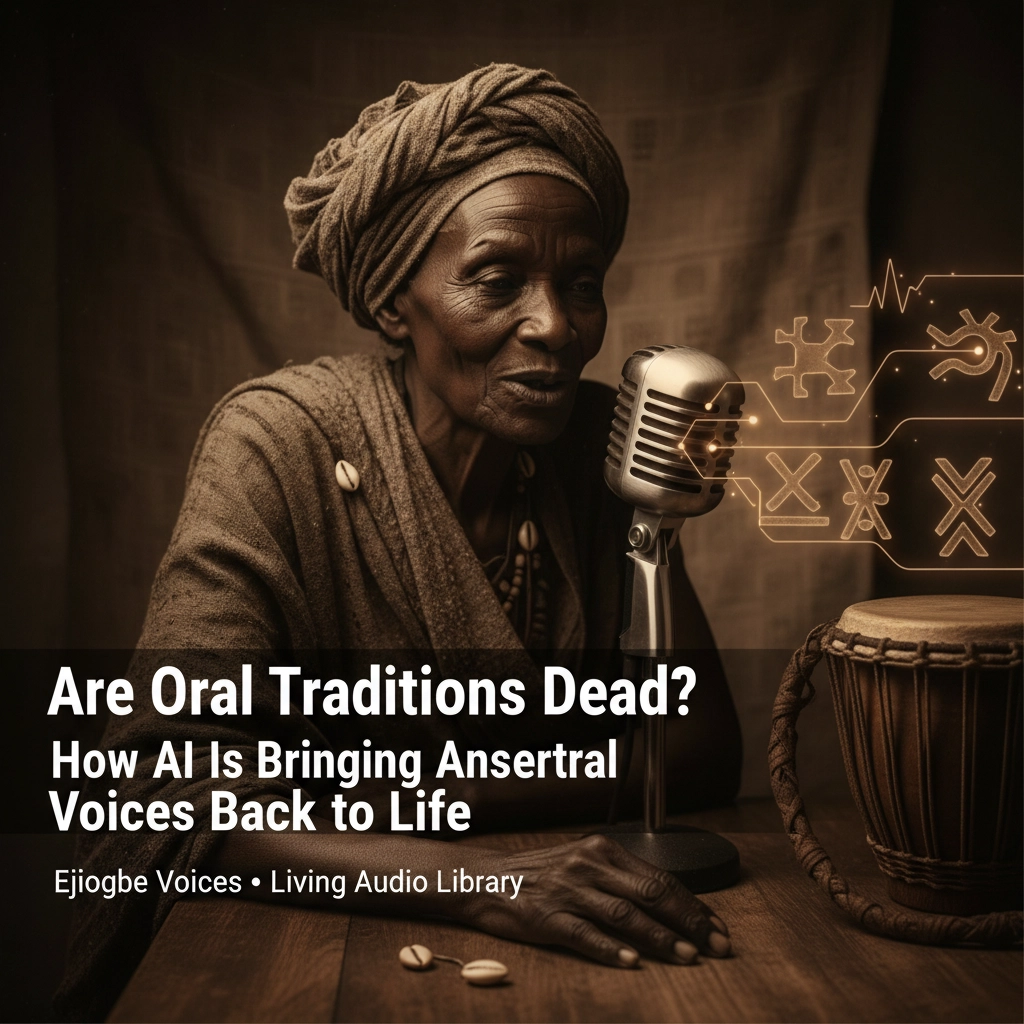
Young diaspora creators are discovering that technology can be a powerful tool for cultural preservation when used thoughtfully. Digital storytelling platforms are becoming repositories for oral traditions that might otherwise be lost. Language-learning apps developed by community members are preserving dialects and regional variations that mainstream platforms often overlook.
Virtual and augmented reality are opening new possibilities for cultural education and connection. Young Indigenous creators are using VR to recreate traditional ceremonies and landscapes, allowing people to experience their heritage in immersive ways. Caribbean youth are developing AR filters that teach traditional dances, while young African creators are building virtual museums that showcase artifacts and stories often missing from mainstream cultural institutions.
Building Bridges: The Community-Centered Approach
What's particularly inspiring about this movement is its community-centered approach. Rather than seeking individual fame or success, many young diaspora creators are focused on building bridges: between generations, between traditional knowledge and modern technology, between their heritage communities and the broader digital world.
This approach recognizes that authentic representation isn't a destination but an ongoing process that requires continuous dialogue, learning, and adjustment. It acknowledges that cultural traditions are living, evolving systems that can grow and adapt while maintaining their core essence.

Moving Forward: Are We Ready?
The evidence suggests we're at a critical juncture. Some organizations are beginning to adapt by implementing genuine collaboration strategies, bringing young diaspora voices into leadership roles, and investing in culturally competent technology development. But many are still operating under outdated assumptions about what representation means and how to achieve it.
The companies and platforms that will thrive are those that recognize this generational shift as an opportunity for deeper innovation and more meaningful connection. They're the ones willing to slow down, listen carefully, and build with communities rather than for them.
Young people from diaspora communities aren't waiting for permission to create the digital spaces they want to see. They're building them now, with or without institutional support. The question for the rest of us is whether we're ready to support, amplify, and learn from their work: or whether we'll be left behind by our own assumptions about what digital representation should look like.
The next generation has made their demands clear. Their vision of authentic representation is richer, more complex, and more powerful than anything we've seen before. The wisdom they bring: combining ancestral knowledge with digital innovation: offers a path toward more inclusive, respectful, and genuinely representative digital spaces.
Are we ready to follow their lead? The future they're creating depends on our answer.