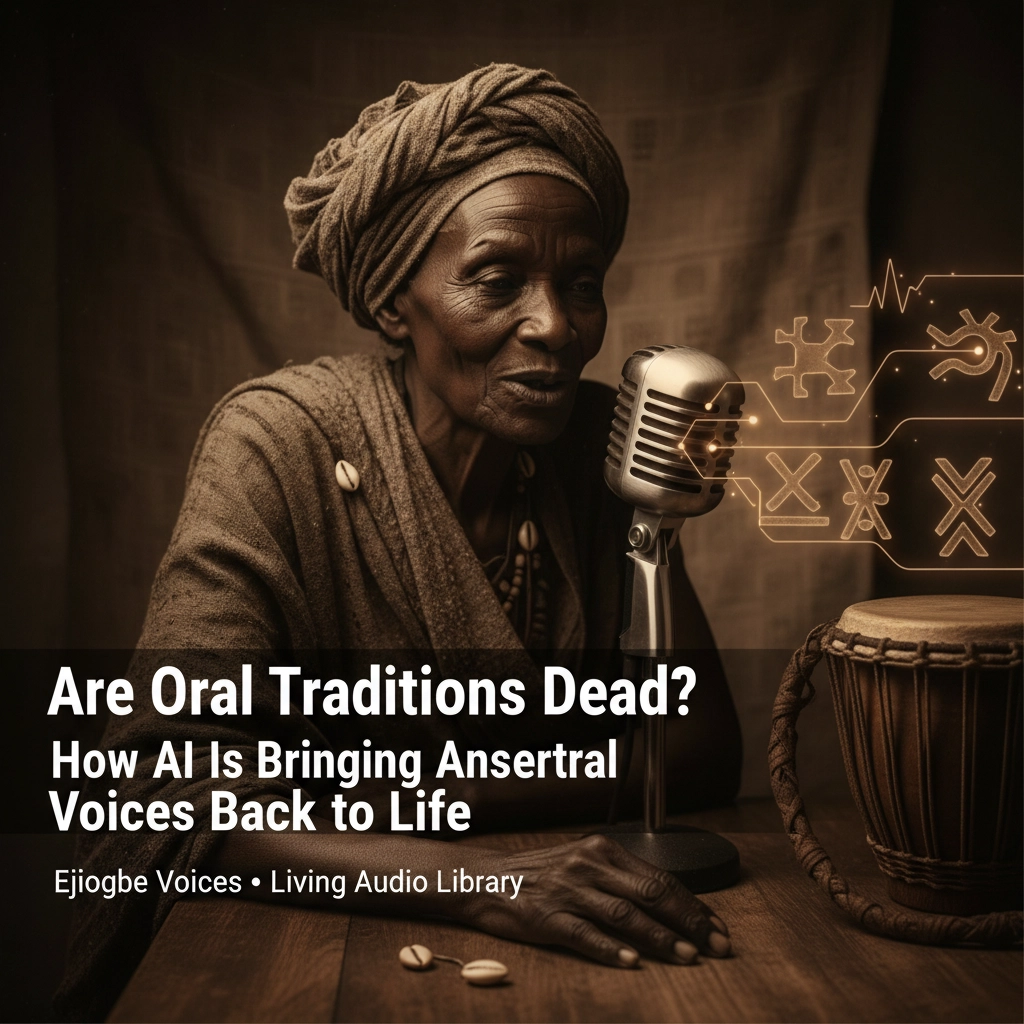


The voices of our elders carry the weight of generations: stories that have shaped communities, preserved traditions, and guided countless souls through the complexities of life. Today, we witness a profound transformation in how these precious oral histories are captured, preserved, and shared. Digital platforms are emerging that don't just store these voices; they make ancestral wisdom searchable, accessible, and available to future generations in ways our grandparents could never have imagined.
This digital revolution represents more than technological advancement: it's a sacred responsibility to ensure that the teachings, prayers, and guidance of our cultural keepers reach those who need them most, when they need them most.
The Digital Awakening of Ancestral Voices
The landscape of oral history preservation has undergone a remarkable transformation over the past decade. Where once precious recordings lived in physical archives, accessible only to researchers with the means to travel and the knowledge to navigate complex filing systems, we now see the emergence of platforms that democratize access to cultural wisdom.
This shift began with recognition of a fundamental truth: oral histories are most powerful when they can be discovered, explored, and connected to the lived experiences of community members. Cultural practitioners: the tradition-bearers, storytellers, and wisdom keepers: needed tools that honored both the sacred nature of their work and the practical reality of sharing knowledge across distances and generations.

StoryCorps pioneered the concept of accessible oral history by allowing anyone to participate in preserving their family's stories, with every recording accompanied by downloadable transcripts that make content searchable and discoverable. Densho created a model for community-specific preservation, capturing stories of Japanese Americans with comprehensive captioning that reaches wider audiences, including hearing-impaired community members. These platforms demonstrated that technology could serve tradition rather than replace it.
The Fortunoff Video Archive showed how Holocaust survivor testimonies could be preserved with open captions that enhance engagement while maintaining the dignity and gravity of the content. Meanwhile, innovative projects like 360 Degrees document perspectives from across complex social systems, proving that oral history platforms can address contemporary issues while honoring diverse viewpoints.
Building Trust Through Cultural Sensitivity
For cultural practitioners, trust isn't just about technical reliability: it's about spiritual and cultural integrity. The platforms that earn genuine community trust share several essential characteristics that honor both the sacredness of the stories and the practical needs of tradition-bearers.
Privacy as Sacred Protection
Trustworthy platforms understand that oral histories often contain deeply personal information that requires careful protection. Family stories, spiritual teachings, and community histories may include sensitive details that weren't meant for public consumption. The most respected platforms implement sophisticated privacy controls that allow narrators and community leaders to determine exactly who can access different portions of their recordings.
These systems often feature tiered access levels: some content available to the general public, other portions restricted to community members, and the most sacred teachings accessible only to designated cultural keepers. This approach respects the traditional protocols that have always governed the sharing of wisdom while leveraging technology to enforce these boundaries at scale.

Cultural Curation and Context
Beyond technical features, trusted platforms invest in cultural curation that ensures stories are presented within their proper context. This means working with community elders and cultural practitioners to develop appropriate metadata, explanatory materials, and connection points that help listeners understand not just what is being said, but why it matters and how it connects to broader cultural traditions.
Professional oral history projects maintain controlled vocabularies and consistent standards that ensure materials remain uniform across collections. They follow established guidelines that align with both archival best practices and cultural protocols, creating finding aids and catalog records that make interviews discoverable while respecting cultural boundaries.
Narrator Rights and Community Ownership
The most trustworthy platforms recognize that narrators retain fundamental rights to their stories, even after recording. This includes the right to easily access and use the content of their interviews, to modify access permissions as their comfort levels change, and to ensure their stories are used in ways that align with their intentions and their community's values.
These platforms work actively to eliminate barriers to access as identified by narrators, family members, or community members. They accommodate evolving preferences regarding public access and recognize that a narrator's relationship with their own story may change over time as personal circumstances, community dynamics, or cultural protocols evolve.
The Technical Foundation of Trust
While cultural sensitivity forms the heart of trustworthy platforms, technical excellence provides the foundation that makes meaningful access possible. The most successful oral history platforms combine sophisticated search capabilities with user-friendly interfaces that don't require technical expertise to navigate.
Advanced Search and Discovery
Modern platforms use complex content management systems that provide pinpoint accuracy in users' ability to search, explore, and connect with oral histories. These systems can identify specific topics, names, places, and themes within hours of audio content, allowing researchers and community members to find exactly the stories they need.
The search capabilities extend beyond simple keyword matching to include semantic understanding: the ability to connect related concepts, identify similar themes across different interviews, and suggest relevant content that might not share exact terminology but addresses similar experiences or teachings.

Transcription and Translation Services
Professional platforms ensure all transcripts are carefully reviewed before publishing, with particular attention to proper name spelling, accurate date representation, and cultural terminology. Many are expanding their reach through translation services that make oral histories accessible to broader communities while maintaining cultural authenticity.
These transcription services often work closely with community members who understand regional dialects, cultural references, and spiritual terminology that automated systems might miss or misinterpret.
Collaborative Infrastructure
Successful platforms engage in collaboration with other institutions to enhance discoverability and access when individual repositories lack the capability to host materials online. This collaborative approach ensures broader reach while maintaining professional standards and long-term sustainability.
Rather than competing for exclusive content, trusted platforms work together to create interconnected networks that make it easier for users to discover related materials across different collections and institutions.
Practical Impact on Cultural Practice
The rise of these platforms has fundamentally changed how cultural practitioners approach their work. Researchers can now obtain in seconds what once took weeks to discern, while community members can access their own cultural heritage from anywhere in the world.
For tradition-bearers, these platforms offer new ways to connect individual stories to broader historical records and to reach global audiences with local community narratives. A grandmother in rural Georgia can share her recipes and agricultural wisdom with her grandchildren living in urban centers across the country. A tribal elder can ensure that language lessons reach community members who have moved away for education or employment.

Bridging Generational Gaps
Perhaps most importantly, these platforms help bridge generational communication gaps by presenting traditional wisdom in formats that younger community members find accessible and engaging. Young people who might struggle to sit through long traditional storytelling sessions can search for specific topics they're curious about, listen to short segments during commutes, or share relevant clips with friends who are exploring their cultural identity.
The technology serves as a bridge, not a replacement, helping younger generations find entry points into their cultural heritage while maintaining respect for traditional protocols and the wisdom of their elders.
Building for the Future
As these platforms continue to evolve, the most successful will be those that maintain their commitment to both technological innovation and cultural integrity. This means continuing to develop better search capabilities, more intuitive interfaces, and more sophisticated privacy controls while never losing sight of the sacred responsibility to preserve and share ancestral wisdom with appropriate reverence.
The future belongs to platforms that understand technology as a tool for cultural preservation rather than cultural transformation: systems that amplify the voices of our elders without changing their essential message or diminishing their spiritual power.
For cultural practitioners considering these platforms, the key is finding services that honor both the practical need for accessibility and the spiritual requirement for respectful preservation. The most trustworthy platforms will always prioritize the dignity of the storytellers and the integrity of their traditions above technological convenience or commercial considerations.
Our ancestors' voices deserve nothing less than platforms that serve their wisdom with the same reverence, care, and intentionality that they brought to sharing their stories in the first place. When we find such platforms; and increasingly, we can: we create pathways for ancestral wisdom to flow freely to those who need it most, ensuring that the teachings of today's elders become tomorrow's guiding light.