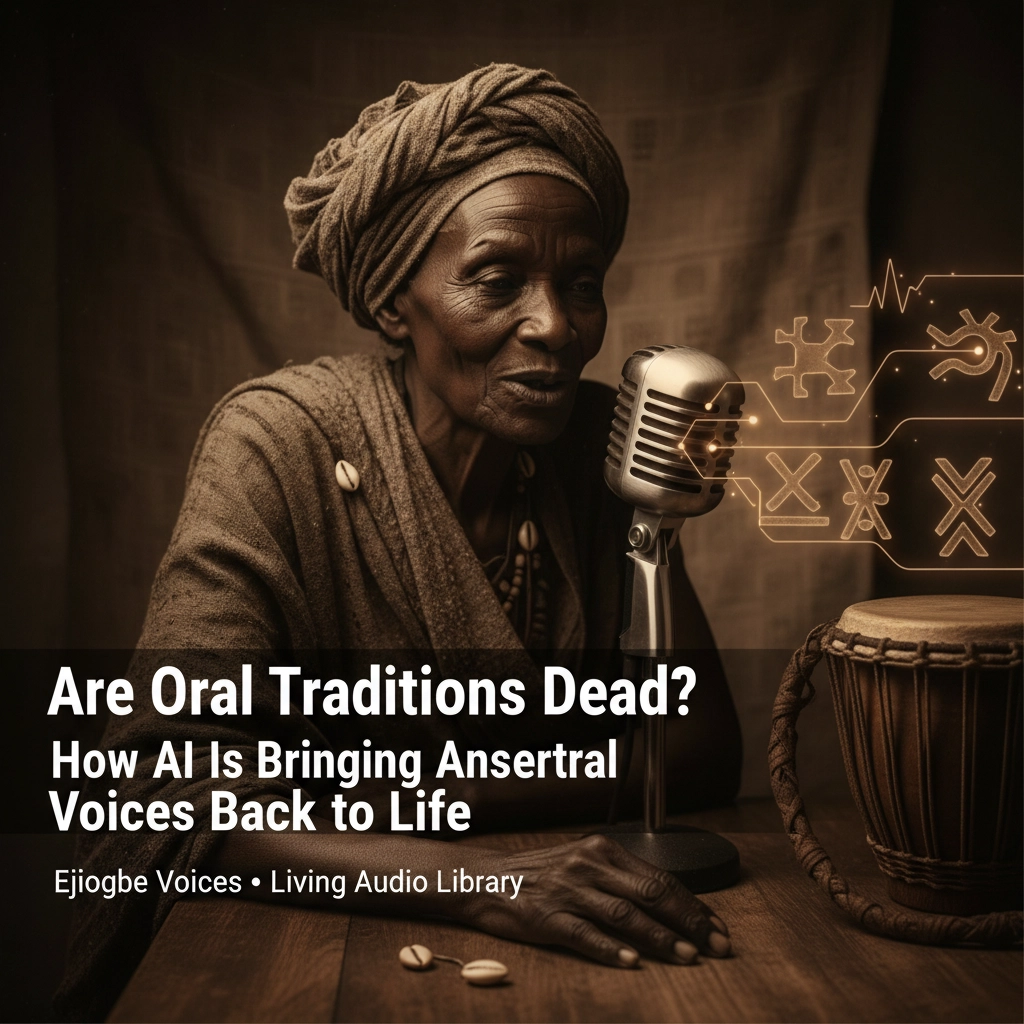


A quiet revolution is unfolding in libraries, community centers, and cultural institutions worldwide. Traditional gatekeepers of historical narratives are stepping back as historians in residence and innovative archive roles emerge, fundamentally transforming who controls, preserves, and shares our collective memory. These new positions represent more than job titles: they embody a radical shift toward community-centered cultural preservation that honors ancestral wisdom while embracing contemporary storytelling methods.
Redefining the Keeper of Stories
Historians in residence work directly within communities, documenting stories as they unfold rather than interpreting them from academic distance. Unlike traditional historians who might spend years researching a culture from the outside, these embedded cultural workers live alongside the people whose stories they help preserve, creating real-time documentation that captures the living essence of traditions.
These roles have emerged from recognition that communities themselves are the most authentic guardians of their heritage. In African communities, young heritage practitioners are receiving support through programs that prioritize inclusivity and collectivism, creating peer-to-peer networks that span countries and cultures. Rather than extracting stories for external institutions, these historians facilitate communities in telling their own narratives.

Empowering Communities as Cultural Architects
The transformation extends far beyond individual roles: it represents a fundamental shift in who decides how stories are remembered. Elders, youth, and culture keepers now have direct agency in shaping their historical record, moving away from institutional gatekeepers who previously determined which narratives deserved preservation.
In Oceanic communities, this shift has proven particularly powerful. Traditional navigation knowledge, oral histories of island formation, and genealogical chants are being documented by the communities themselves, with historians in residence serving as facilitators rather than interpreters. The result is preservation that maintains cultural integrity while making traditions accessible to younger generations who may be geographically dispersed.
Caribbean communities have embraced similar approaches, with local historians working alongside master drummers, storytellers, and craftspeople to create comprehensive archives that capture not just the final art forms, but the entire process of cultural transmission. These archives become living documents that continue growing as traditions evolve.
Technology as a Bridge, Not a Barrier
Digital tools have democratized cultural preservation in unprecedented ways, but the most successful initiatives recognize technology as a bridge between generations rather than a replacement for traditional methods. Community-owned archives leverage digitization to expand access while maintaining cultural protocols around sacred or sensitive materials.
Indigenous communities across multiple continents have pioneered innovative approaches that respect traditional knowledge-sharing protocols while embracing technological possibilities. Digital storytelling projects capture elders' voices in their own languages, creating permanent records that can be accessed by community members worldwide while respecting restrictions on who can hear certain stories.

South Asian communities have developed particularly sophisticated approaches to balancing accessibility with cultural sensitivity. Digital archives include multiple layers of access: some materials available publicly, others restricted to community members, and the most sacred stories accessible only to designated cultural keepers. This nuanced approach ensures preservation while honoring traditional protocols.
Training the Next Generation of Cultural Guardians
Perhaps the most significant impact of these evolving roles lies in their emphasis on training local community members as cultural preservationists. Rather than relying on external experts, communities are developing their own expertise, creating sustainable preservation practices that don't depend on outside funding or interest.
In African contexts, young people are learning both traditional storytelling methods and contemporary documentation techniques, becoming bilingual in ancestral wisdom and modern technology. These programs recognize that cultural preservation requires more than recording: it demands understanding the deeper meanings, contexts, and protocols that give traditions their power.
The training extends beyond technical skills to include cultural ethics, community protocols, and the spiritual dimensions of stewarding ancestral knowledge. Participants learn to navigate questions about what should be shared publicly versus what should remain within community boundaries, developing the wisdom to be trustworthy guardians of sacred traditions.

Archives as Living Spaces
New archive roles are transforming these institutions from static repositories into dynamic community spaces where culture remains alive and relatable. Rather than preserving artifacts behind glass, these archives create opportunities for ongoing engagement between community members and their heritage.
Community-owned archives serve multiple functions: they're research centers, gathering spaces, educational hubs, and venues for cultural events. Elders come to share knowledge with young people, families research their genealogies, and artists find inspiration for contemporary work that honors traditional foundations.
These spaces recognize that cultural significance exists in the present as much as the past. They document ongoing traditions, contemporary interpretations of ancestral practices, and the evolution of cultural identity in modern contexts. This approach ensures that preservation supports living culture rather than creating museum pieces.
Democratizing Historical Narratives
The shift toward community-centered preservation has profound implications for how we understand history itself. When communities control their own narratives, the resulting archives offer perspectives that may challenge or expand conventional historical accounts.
Oral history projects now prioritize amplifying voices from previously marginalized communities, creating primary source materials that offer new insights into major historical events and cultural movements. These projects honor traditional storytelling methods while contributing to broader historical understanding.
The democratization extends to determining what stories deserve preservation. Community-driven initiatives often prioritize everyday experiences, women's knowledge, children's perspectives, and informal cultural practices that institutional archives might overlook. This comprehensive approach creates richer, more complete historical records.

Building Cultural Resilience
Beyond preservation, these new approaches to cultural documentation are building community resilience by strengthening cultural identity and inter-generational connections. When young people actively participate in documenting their heritage, they develop deeper appreciation for their cultural inheritance and stronger connections to their communities.
The process of collaborative documentation creates opportunities for knowledge transfer that might not otherwise occur. Elders share not just stories but the contexts that give them meaning, while young people contribute fresh perspectives on how traditions might evolve while maintaining their essence.
The Future of Cultural Stewardship
As these innovative roles continue evolving, they're establishing new standards for respectful, community-centered cultural preservation. The success of historians in residence and community-owned archives demonstrates that the most effective preservation happens when communities have agency over their own narratives.
This transformation represents more than methodological change: it embodies a fundamental shift toward recognizing communities as the primary experts on their own cultures. Rather than extracting knowledge for external institutions, these approaches support communities in strengthening their own cultural foundations while sharing their wisdom with the world on their own terms.
The ripple effects extend far beyond individual communities, contributing to a more inclusive and authentic historical record that enriches our collective understanding of human experience. As more communities embrace these approaches, we're witnessing the emergence of a truly democratic approach to cultural preservation: one that honors both ancestral wisdom and contemporary innovation.
Through these evolving roles, cultural preservation is becoming what it was always meant to be: a community-driven practice that keeps traditions alive, relevant, and accessible to future generations while respecting the protocols and wisdom of those who came before.