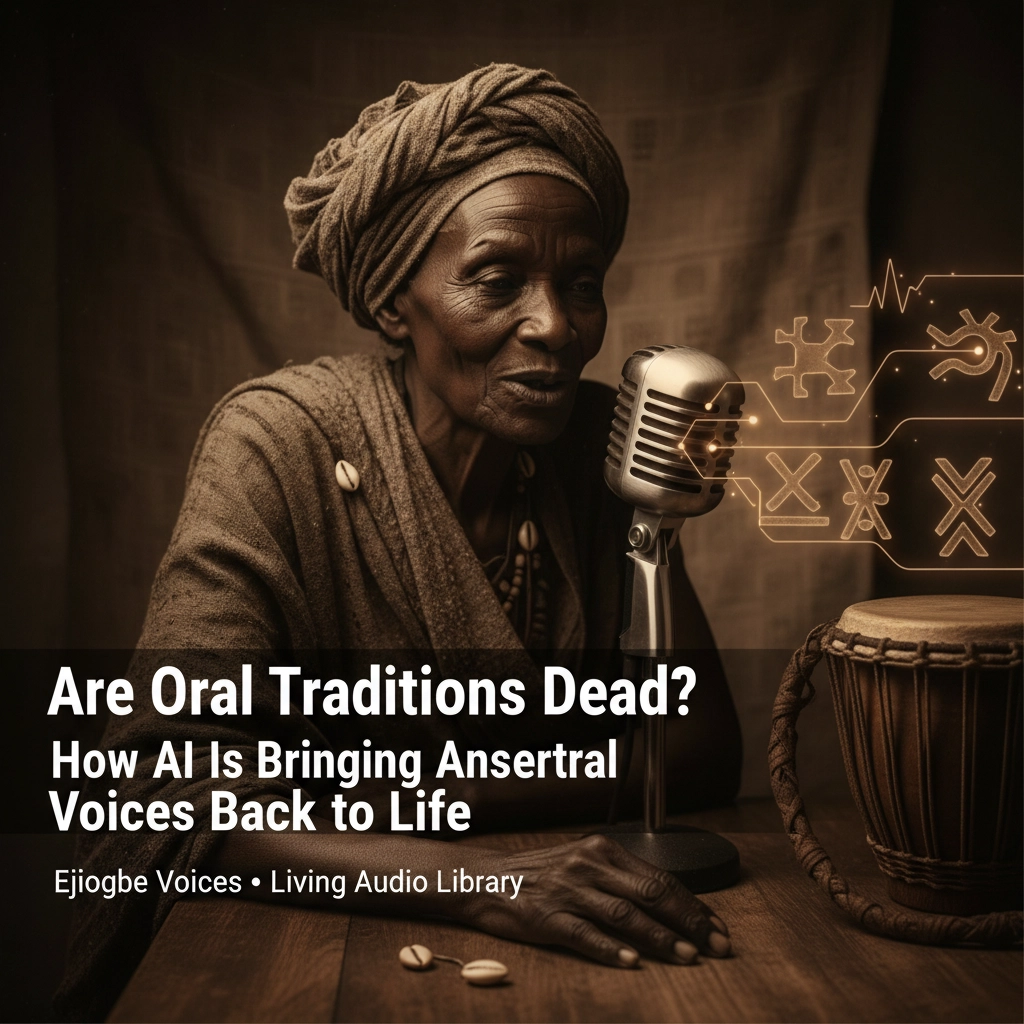


In communities across the world, a quiet revolution unfolds. From the favelas of São Paulo to the townships of South Africa, from indigenous territories in the Amazon to urban neighborhoods in Detroit, people are taking control of their stories. They're creating archives: not in marble institutions or university libraries, but in community centers, elders' homes, and digital spaces they govern themselves.
These community-owned archives represent more than historical preservation. They are weapons of narrative justice, tools that empower marginalized voices to reclaim their place in history and shape their future.
The Power of Owning Your Story
Traditional archives have long served as gatekeepers of memory, deciding whose stories deserve preservation and how they should be told. These institutional spaces, while valuable, often reflect the perspectives and priorities of dominant social groups, leaving vast gaps where marginalized communities should be.
Community-owned archives challenge this dynamic fundamentally. When the Gullah-Geechee communities of the American South Coast create their own digital repositories of ancestral voices, or when First Nations groups in Canada establish community-controlled databases of traditional knowledge, they assert a basic right: the right to own their own memories.

This ownership transforms communities from passive subjects of documentation into active architects of their historical narrative. They decide what stories matter, how they should be preserved, and who has access to these sacred memories. This shift represents cultural liberation in its purest form.
Filling the Gaps That Official Records Leave Behind
Official archives carry inherent biases. Police reports, government documents, and mainstream media accounts often present only one perspective: typically that of those in power. Community archives serve as counter-narratives that reveal the full complexity of historical events.
Consider the community archives that emerged from the Black Lives Matter movement. Families affected by police violence began collecting their own documentation: photos, videos, testimonies, and personal accounts that challenged official versions of events. These grassroots efforts provided evidence that courtrooms and journalists desperately needed, while also preserving the humanity of victims who might otherwise be reduced to statistics.
In Brazil, favela communities have created digital archives documenting their rich cultural contributions to society: samba origins, artistic innovations, and community organizing strategies. These collections counter decades of media portrayals that reduced these neighborhoods to sites of poverty and violence, instead celebrating their residents as creators, innovators, and cultural leaders.
Building Identity Through Collective Memory
Community archives serve as more than repositories of information. They function as spaces of healing and identity building. When communities actively participate in preserving their history, they develop deeper connections to their heritage and stronger bonds with each other.
The Maori communities of New Zealand exemplify this approach through their whare pukapuka (community libraries) that integrate traditional knowledge systems with modern archival practices. Elders work alongside youth to record genealogies, creation stories, and traditional ecological knowledge. These efforts don't just preserve information: they strengthen intergenerational relationships and reinforce cultural identity.

Similarly, LGBTQ+ communities worldwide have established archives that document their struggles, celebrations, and contributions to society. The ACT UP Oral History Project preserves firsthand accounts of AIDS activism, while community centers from Bangkok to Berlin maintain collections of zines, photographs, and personal narratives that celebrate queer resilience and creativity.
Technology as Liberation Tool
Digital technology has democratized archival creation, making it possible for communities with limited resources to build comprehensive collections. Smartphones become recording devices, cloud storage becomes preservation infrastructure, and social media becomes distribution networks.
In the Philippines, indigenous Lumad communities use mobile apps to document land rights violations and preserve traditional songs and stories. Their digital archives serve dual purposes: preserving cultural heritage while providing evidence for legal battles against mining companies and government displacement policies.
Palestinian communities have created extensive digital archives documenting daily life under occupation: not just the dramatic moments that make international news, but the small acts of resistance, creativity, and joy that define their experience. These collections provide counter-narratives to dehumanizing media portrayals while preserving cultural practices for future generations.
Challenges and Community Solutions
Community archives face significant obstacles. Limited funding, technical challenges, and threats from authorities who prefer certain stories remain untold all pose real barriers. Yet communities continue finding innovative solutions.

Collaborative networks have emerged where established community archives mentor newer initiatives, sharing technical knowledge and fundraising strategies. The South Asian American Digital Archive works with smaller community organizations across the diaspora, providing server space and technical support while allowing each community to maintain control over their collections.
Training programs led by community members ensure that archival skills spread organically through neighborhoods. In Detroit, the Heidelberg Project trains residents to document neighborhood changes, creating an ongoing visual record of gentrification and community resistance.
The Ripple Effects of Community Ownership
When communities control their archives, the impacts extend far beyond preservation. These collections become organizing tools, educational resources, and sources of evidence for policy advocacy.
Community health workers in rural Guatemala use archived traditional healing knowledge to supplement modern medical care. Environmental justice activists in Louisiana's Cancer Alley maintain collections of pollution data and health testimonies that support their advocacy efforts. Indigenous land defenders across the Americas draw on archived treaties and traditional knowledge to support sovereignty claims.
These archives also serve as bridges between generations. Young people gain access to elder wisdom through recorded interviews and digitized documents, while elders see their knowledge valued and preserved for posterity. This intergenerational exchange strengthens communities and ensures cultural continuity.
Beyond Documentation: Archives as Activism
The most powerful community archives transcend mere documentation to become engines of social change. They challenge dominant narratives, provide evidence for justice campaigns, and create solidarity across communities facing similar struggles.

The National Domestic Workers Alliance maintains an archive of testimonies from domestic workers across the United States, documenting workplace abuses while celebrating the contributions of women: often immigrants and women of color: whose labor makes middle-class life possible. These stories inform policy advocacy while humanizing workers who are often invisible in public discourse.
Migrant communities along the U.S.-Mexico border have created archives documenting both the violence of family separation and the resilience of border communities. Their collections provide evidence for human rights advocates while preserving the stories of individuals who might otherwise be reduced to statistics in immigration debates.
The Future of Community-Controlled Memory
As we advance deeper into the digital age, community archives become increasingly vital. They offer alternatives to corporate-controlled platforms where algorithms determine visibility and terms of service can erase entire communities overnight.
These grassroots initiatives demonstrate that memory is not neutral. The stories we preserve, the voices we center, and the perspectives we prioritize shape how future generations understand their world and their place within it.
Community-owned archives represent democracy in action: communities exercising their fundamental right to control their own narratives. They transform archives from elite institutions into tools of liberation, ensuring that the full spectrum of human experience is preserved, celebrated, and learned from.
At Ejiogbe Voices, we understand that technology serves justice best when communities control its use. We support the global movement toward community-owned archives because we believe every community deserves to own its story, preserve its wisdom, and shape its future.
The revolution of community archiving continues to unfold, one preserved voice at a time, one reclaimed story at a time, one empowered community at a time.