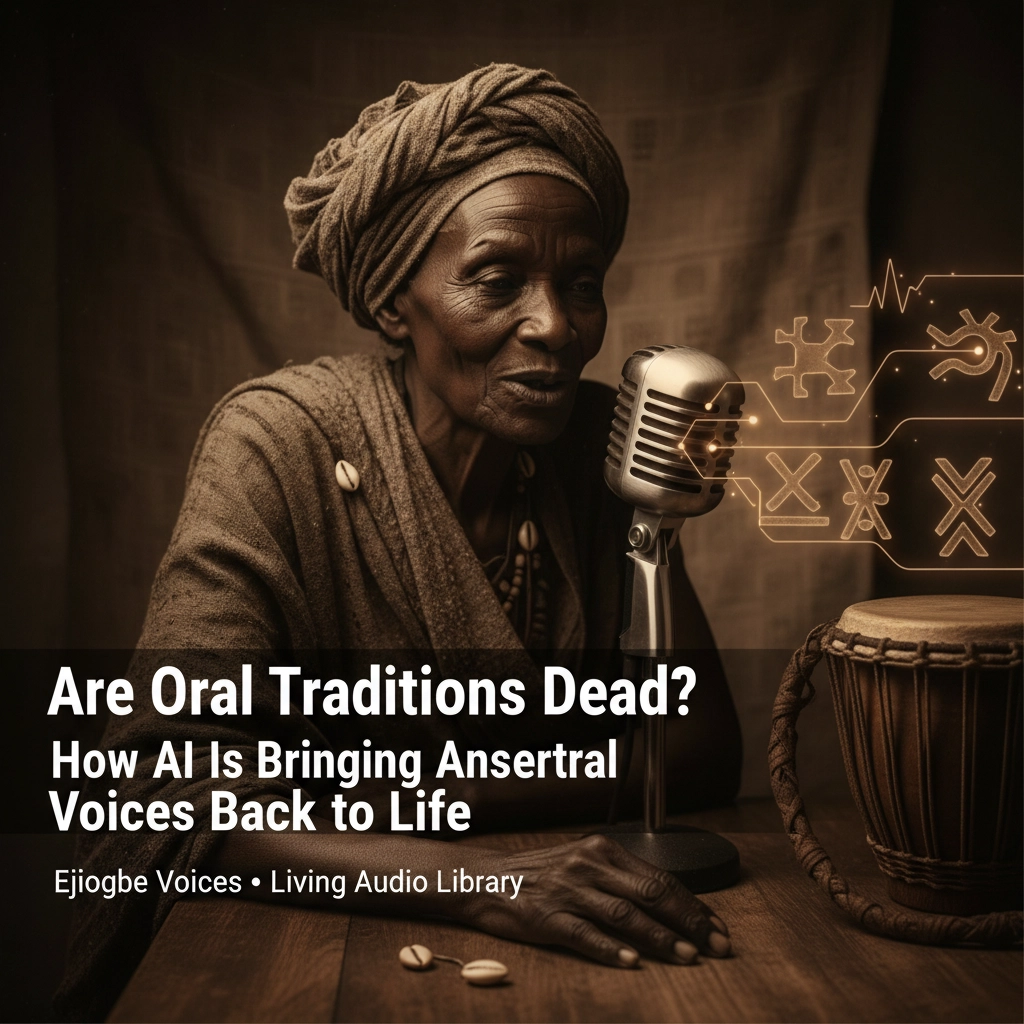

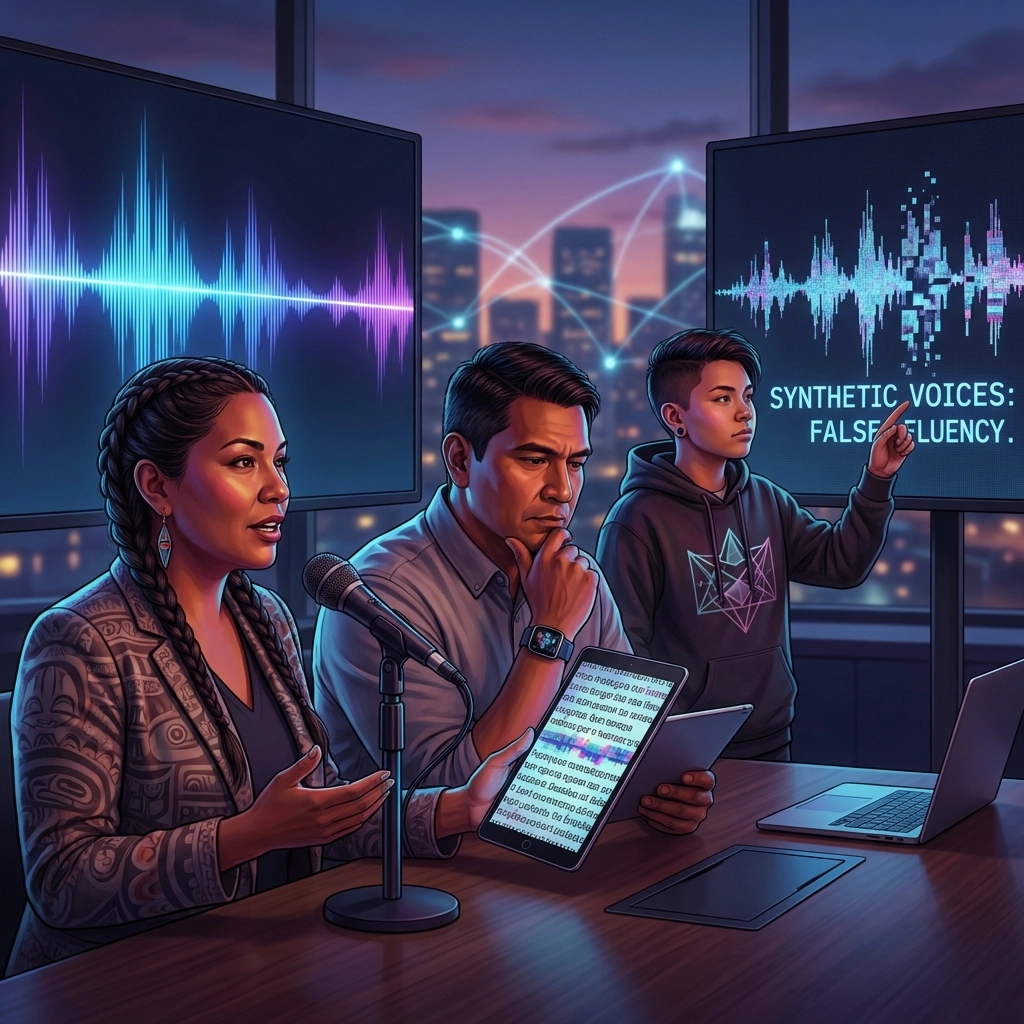
In our sacred work of preserving ancestral voices and cultural heritage, we witness daily the irreplaceable power of authentic human speech. Each recording carries not just words, but the breath, emotion, and spiritual essence of our elders. Yet as we advance deeper into the digital age, a troubling phenomenon emerges that threatens the very foundation of voice authenticity: synthetic voices that achieve such natural fluency they become indistinguishable from genuine human speech.
This technological advancement presents both marvel and menace. While AI voice synthesis offers remarkable possibilities for accessibility and communication, it also creates what researchers call "false fluency": a dangerous gap between what our ears perceive as authentic and what technology can artificially create.
The Evolution of Synthetic Voice Technology
Modern AI voice synthesis has transcended the robotic, mechanical tones of earlier generations. Today's synthetic voices express subtle emotions, natural pauses, and human-like spontaneity that mirror the authentic cadence of real speakers. This leap in technological capability means that synthetic voices now carry the same emotional weight and credibility as genuine human speech.

The sophistication of these systems lies in their ability to capture not just pronunciation, but the intricate patterns of human speech: the slight hesitations before important words, the gentle rise in tone when asking questions, the warm familiarity that emerges when speaking one's native language. These nuanced characteristics, once the exclusive domain of authentic human voices, can now be replicated with startling accuracy.
For communities working to preserve their linguistic heritage, this development raises profound questions about authenticity, trust, and the sacred nature of ancestral voices. When synthetic voices achieve such convincing fluency, how do we distinguish between the genuine wisdom of our elders and artificial replications?
The Human Vulnerability: Our Inability to Detect Deception
Perhaps most concerning is research revealing that humans cannot reliably identify synthetic voices. Studies show that listeners correctly spot deepfake voices only 73% of the time, meaning nearly one in four synthetic voice samples successfully fool human ears. This statistic reveals a fundamental vulnerability in our natural ability to distinguish authentic from artificial speech.
This limitation becomes particularly significant when we consider the contexts where voice authenticity matters most: family conversations, cultural teachings, legal testimony, and the preservation of sacred knowledge. When our ancestors' voices can be convincingly replicated, we risk losing the ability to differentiate between genuine heritage recordings and artificial constructions.
Primary Dangers of False Fluency
Identity Theft and Cultural Appropriation
The convincing nature of cloned voices enables malicious actors to bypass security systems and impersonate community members, elders, or cultural leaders. Voice biometric authentication systems, increasingly used by institutions and organizations, become vulnerable when synthetic voices sound indistinguishable from authentic ones.
More troubling for cultural preservation efforts is the potential for cultural appropriation through voice theft. Sacred recordings, ceremonial chants, or traditional teachings could be manipulated or replicated without consent, violating the spiritual and cultural boundaries that protect these precious elements of heritage.
Exploitation of Trust and Authority
Synthetic voices exploit our natural human tendency to trust familiar sounds and authoritative tones. When criminals or malicious actors create personalized voice messages using cloned voices of trusted community members, they can trick individuals into divulging sensitive information or making decisions based on false guidance.

This danger extends beyond financial fraud to the erosion of cultural trust networks. If community members cannot trust the authenticity of voice messages from elders, cultural leaders, or family members, the traditional chains of oral communication that bind communities together begin to fracture.
Misinformation and Cultural Disruption
A convincingly cloned voice can spread false information faster than text alone because audio carries emotional weight and credibility that written words cannot match. Real-world examples include AI-generated voices used to create false emergency calls and fabricated audio of public figures used for disinformation campaigns.
For indigenous and minority communities, this threat takes on additional dimensions. False recordings could be created to misrepresent cultural practices, distort traditional teachings, or spread confusion about community decisions and guidance from respected elders.
Erosion of Institutional Trust
When audio recordings become indistinguishable from synthetic versions, it becomes nearly impossible to verify whether historical or contemporary recordings are genuine. This uncertainty threatens the integrity of cultural archives, legal proceedings, journalistic evidence, and democratic processes.
Cultural preservation efforts depend heavily on the authenticity of recorded materials. If synthetic voices can convincingly replicate historical speakers or contemporary elders, the credibility of entire archives comes into question, potentially undermining decades of careful documentation work.
Protecting Cultural Heritage in the Age of Synthetic Voices
The rise of false fluency in synthetic voices demands new approaches to protecting and validating authentic cultural recordings. Communities engaged in heritage preservation must develop strategies that safeguard the integrity of their ancestral voices while remaining accessible to future generations.
Digital Authentication Systems: Advanced cryptographic signatures and blockchain-based verification can create immutable records of authentic recordings, providing technical assurance of a recording's provenance and integrity.
Community-Led Validation: Cultural communities possess intimate knowledge of their elders' speech patterns, regional dialects, and traditional expressions that synthetic voices may struggle to replicate perfectly. Establishing community-led verification processes can help identify potentially synthetic content.

Secure Archive Protocols: Cultural preservation platforms must implement robust security measures to prevent unauthorized access to voice recordings that could be used to train synthetic voice models. This includes restricted access controls and ethical guidelines for handling sensitive cultural materials.
Educational Awareness: Communities need education about synthetic voice capabilities and risks. Understanding these technologies empowers individuals to approach audio content with appropriate skepticism and to implement personal verification practices.
The Sacred Nature of Authentic Voices
Beyond the technical challenges lies a deeper philosophical question: what makes a voice authentically human? Our elders' voices carry more than words: they carry breath, life experience, spiritual essence, and the accumulated wisdom of generations. These elements transcend mere acoustic patterns and venture into the realm of the sacred.
When we preserve an elder's voice recording their native language or sharing traditional knowledge, we capture something irreplaceable: not just information, but a living connection to our heritage. Synthetic voices, regardless of their technical sophistication, cannot replicate the spiritual authenticity that emerges from a lifetime of lived experience within a cultural tradition.
This understanding should guide our approach to cultural preservation in the digital age. While we embrace technology as a tool for accessibility and reach, we must also maintain clear distinctions between authentic heritage recordings and any synthetic enhancements or translations that may accompany them.
Moving Forward with Wisdom and Caution
The emergence of convincingly fluent synthetic voices represents both an opportunity and a warning for cultural preservation efforts. As we continue developing tools and platforms to preserve and share ancestral wisdom, we must implement robust safeguards that protect the authenticity and integrity of these precious recordings.
Our communities deserve transparency about when and how synthetic voice technology is used in cultural preservation projects. Clear labeling, comprehensive documentation, and community consent protocols ensure that technological tools serve our heritage preservation goals without compromising the sacred trust placed in authentic ancestral voices.

The path forward requires balancing technological innovation with cultural reverence, embracing helpful tools while maintaining unwavering commitment to authenticity and respect for our elders' voices. By approaching these challenges with wisdom, caution, and community-centered values, we can navigate the complexities of synthetic voice technology while preserving the irreplaceable authenticity of our cultural heritage.
In this work, we honor not just the words our ancestors spoke, but the breath, spirit, and lived experience that gave those words meaning: elements that no synthetic voice, however sophisticated, can truly replicate.