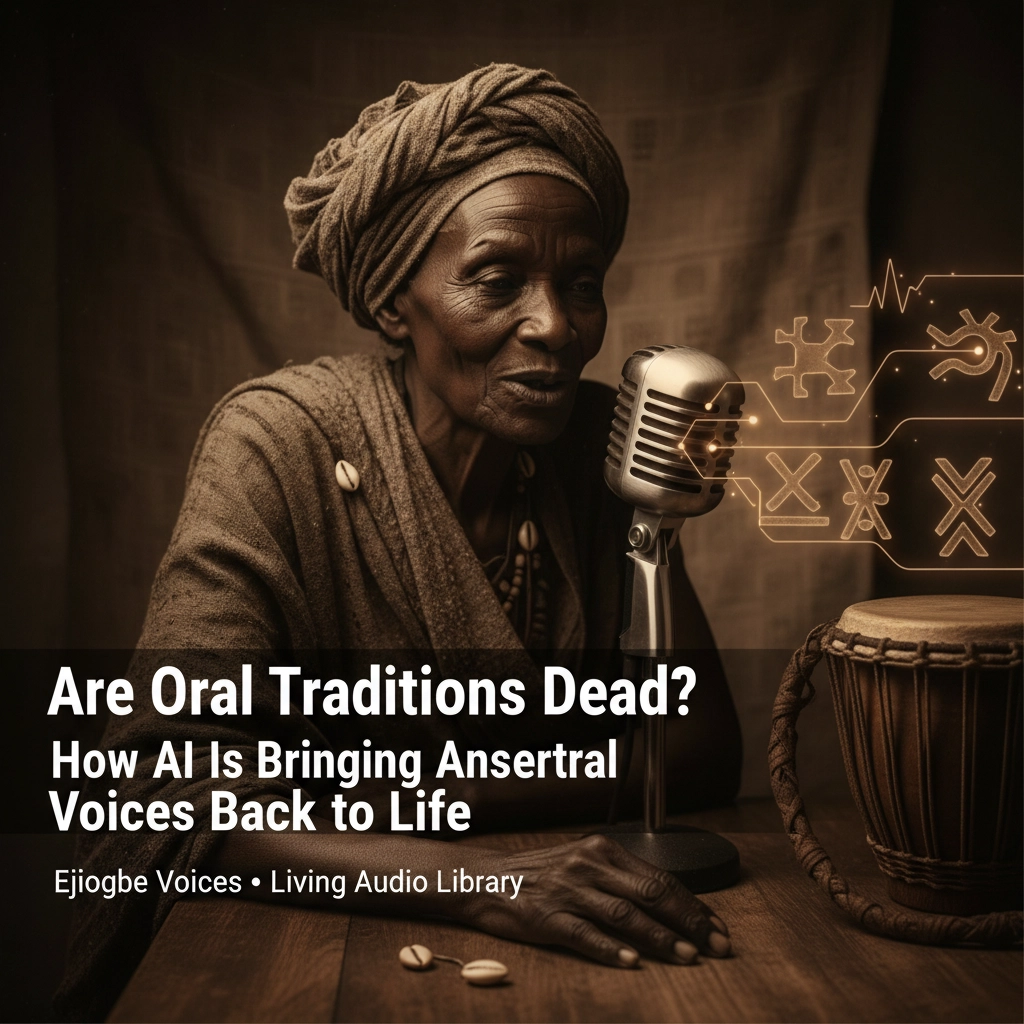

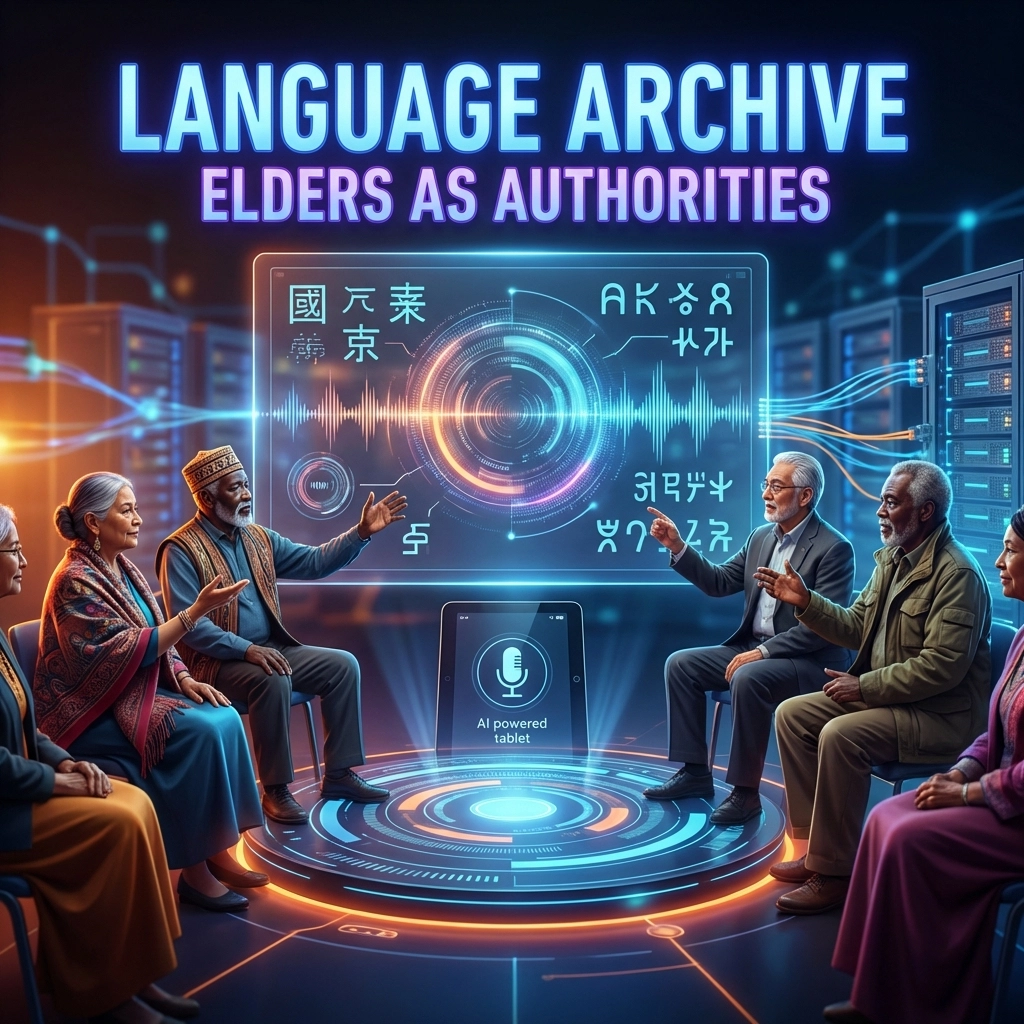
In the sacred work of language preservation, elders stand as the ultimate authorities: living bridges between ancestral wisdom and future generations. When we speak of building language archives, we're not merely collecting data or recordings. We're creating vessels to hold the breath, the cadence, and the cultural DNA of our communities, as spoken by those who carry these languages in their hearts.
Language archives with elders as primary authorities represent a fundamental shift from extractive documentation to collaborative preservation. These repositories recognize that linguistic knowledge isn't just about vocabulary and grammar: it encompasses the prayers, teachings, storytelling traditions, and ceremonial languages that have been passed down through generations of careful stewardship.
The Authority of Elder Voices
Elders possess an irreplaceable authority in language preservation that extends far beyond simple fluency. They carry the cultural context, the proper pronunciation of sacred words, and the nuanced understanding of when and how certain expressions should be used. Their voices contain the wisdom of lived experience, shaped by decades of speaking, thinking, and dreaming in languages that younger generations may only know fragments of.

Consider the Lushootseed language of the Pacific Northwest, where preservation efforts now rely entirely on archived recordings of elders since no first-language speakers remain. These recordings aren't just linguistic data: they're the final authentic expressions of a complete cultural worldview. Every pause, every inflection, every choice of word carries meaning that cannot be replicated by even the most sophisticated language learning algorithms.
When we establish elders as primary authorities in language archives, we acknowledge several crucial truths. First, that authentic pronunciation and usage patterns can only be preserved through direct documentation of fluent speakers. Second, that cultural protocols around language use: such as which words are appropriate for different audiences or contexts: require the guidance of cultural knowledge keepers. Third, that the spiritual and ceremonial dimensions of language must be handled with the reverence that only community elders can properly determine.
Building Trust Through Community Control
The most successful elder-centered language archives operate under community-controlled frameworks that place decision-making power directly in the hands of tribal administrators and cultural leaders. Platforms like FirstVoices have demonstrated how technology can serve indigenous communities while maintaining their sovereign authority over cultural materials.
This community control extends to every aspect of archival management. Elders and tribal leaders determine which recordings remain private within the community and which materials can be shared more broadly. They establish protocols for who can access different types of content: ensuring that sacred songs, healing ceremonies, and spiritual teachings recorded by elders remain protected within appropriate cultural boundaries.

At Ejiogbe Voices, we understand that building trust requires more than just technical security measures. It demands transparent governance structures that honor the wisdom and authority of elders while providing them with intuitive tools to manage their linguistic heritage. Our documentation outlines how community leaders can establish access permissions, create protected collections, and maintain full control over elder recordings.
Technical Frameworks for Elder-Centered Archives
Creating archives that truly serve elders as primary authorities requires thoughtful technical design that prioritizes usability, cultural sensitivity, and community needs over institutional convenience. The recording and documentation process must be designed around the comfort and preferences of elderly speakers, many of whom may be working with digital technology for the first time.
High-quality audio recording becomes paramount when preserving elder voices. Unlike casual conversation recordings, these archives must capture the subtle tonal variations, breathing patterns, and acoustic qualities that define authentic pronunciation. Professional-grade recording equipment, paired with quiet environments and patient documentation sessions, ensures that future generations will hear their ancestors' voices with crystal clarity.
The archival structure itself must reflect indigenous ways of organizing knowledge rather than Western academic categories. Instead of alphabetical word lists, elder-centered archives often organize content around seasonal activities, ceremonial cycles, or traditional story progressions: the natural frameworks that elderly speakers use to recall and share their linguistic knowledge.

Metadata collection becomes a collaborative process between archivists and elders, with cultural authorities providing context about when recordings were made, what cultural significance they hold, and how they should be properly used by future learners. This contextual information often proves as valuable as the recordings themselves, providing the cultural scaffolding necessary for meaningful language revitalization.
Collaborative Preservation Models
Modern language preservation thrives on partnerships that recognize elders as central authorities while bringing together diverse expertise in service of community goals. These collaborative frameworks typically involve close coordination between elders, community members, linguists, archivists, and technology specialists: each contributing their skills while deferring to elder wisdom on matters of cultural protocol and authenticity.
The interviewing and recording process becomes a form of intergenerational dialogue, with younger community members serving as technical facilitators while elders guide the content and pacing of documentation sessions. This collaborative approach ensures that preservation work strengthens community bonds rather than extracting knowledge from its cultural context.
Universities and research institutions increasingly recognize their role as technical partners rather than primary investigators in elder-led preservation projects. UC Berkeley's California Language Archive, for example, houses recordings that represent "the only documented information about certain cultural practices or stories" as shared by elders, but the cultural authority and interpretation of these materials remains with the originating communities.
Safeguarding Sacred Knowledge
Elder-centered language archives must navigate the delicate balance between preservation and protection, particularly when dealing with ceremonial languages, healing songs, or spiritual teachings. Elders possess the cultural authority to determine which aspects of their linguistic knowledge should be shared broadly and which materials require restricted access or special protocols.

This guardianship extends to posthumous protection of elder recordings. When language keepers pass away, their recorded voices become even more precious to their communities: and potentially more vulnerable to misuse by outside researchers or commercial interests. Archive systems must include robust provisions for community control over elder materials, even after the original speakers are no longer able to advocate for their own wishes.
The technical architecture supporting these protections requires sophisticated permission systems that can accommodate complex cultural protocols. Some recordings might be accessible to all community members, while others might be restricted to initiated individuals or specific ceremonial contexts. Still others might be sealed entirely, preserved for future generations but not currently accessible to anyone.
Honoring the Complete Cultural Context
Language archives with elders as primary authorities must capture more than just vocabulary and pronunciation. They must preserve the complete cultural ecosystem in which languages live and breathe: including the stories that give words meaning, the seasonal activities that provide context for specific terminology, and the social relationships that determine appropriate language use.
Elder voices carry this complete cultural package in ways that younger speakers, however dedicated to language learning, simply cannot replicate. Their recordings preserve not just how words sound, but how language functions within a living cultural system that has evolved over generations of continuous use.
This holistic approach to preservation recognizes that successful language revitalization requires more than linguistic competence: it demands cultural fluency that can only be transmitted through direct connection with elder authorities. Archive systems must therefore support rich contextual documentation alongside raw linguistic data.

The Future of Elder-Led Language Archives
As we look toward the future of indigenous language preservation, the central authority of elders becomes even more critical. With each passing year, communities lose irreplaceable linguistic knowledge that exists nowhere except in the minds and voices of elderly speakers. Building archives that honor and amplify elder authority isn't just culturally appropriate: it's an urgent necessity for maintaining authentic connections to ancestral languages.
Technology platforms like those developed by Ejiogbe Voices must continue evolving to better serve elder-led preservation efforts. This means creating more intuitive interfaces for elderly users, developing better tools for community-controlled access management, and building systems that can accommodate the complex cultural protocols that govern sacred knowledge sharing.
The goal isn't simply to create static repositories of elder recordings, but to build dynamic archives that support ongoing intergenerational transmission. When younger community members can access elder voices through culturally appropriate channels, with proper context and community guidance, these archives become living tools for language revitalization rather than mere historical documents.
For communities ready to begin elder-centered language preservation work, platforms like Ejiogbe Voices offer the technical infrastructure needed to honor elder authority while ensuring long-term accessibility. The future of indigenous languages depends on our ability to create these bridges between ancestral wisdom and technological preservation: always with elders as our most trusted guides and primary authorities.