
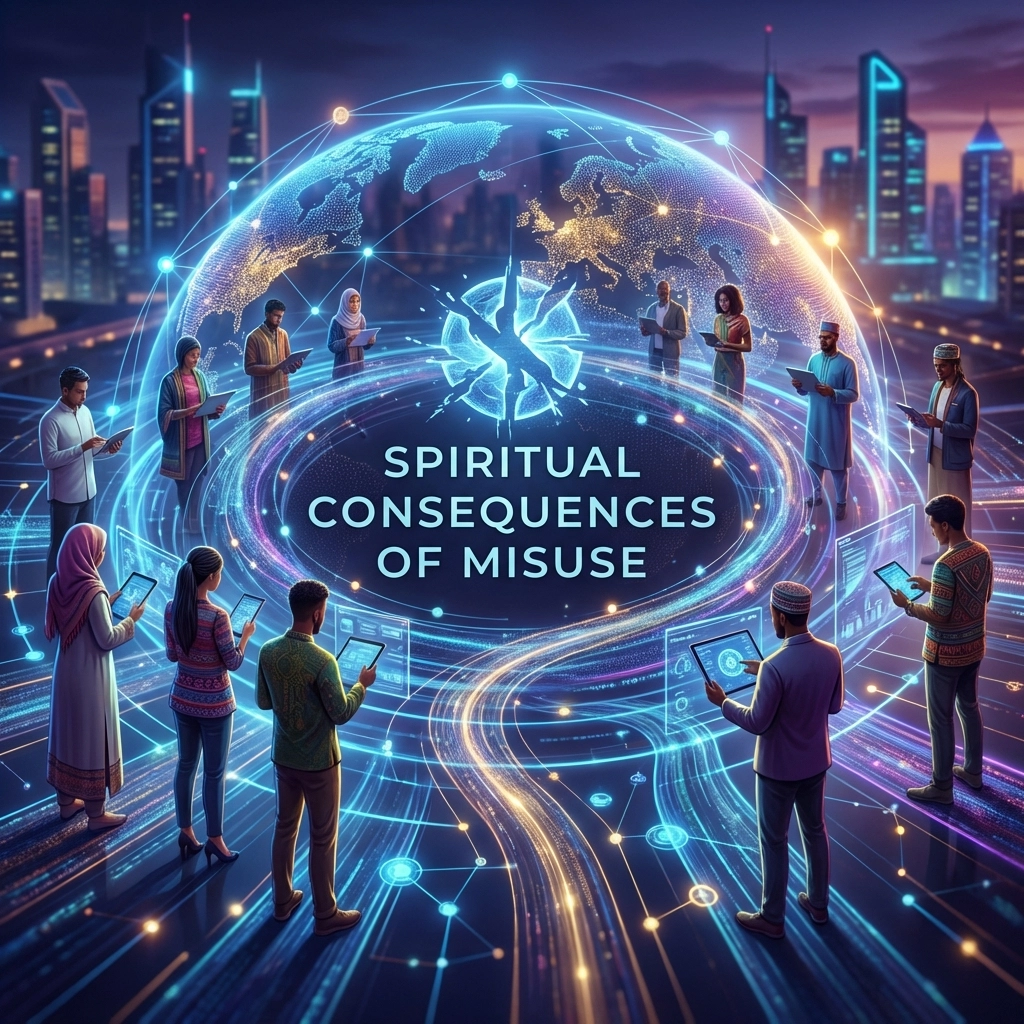
When we speak of indigenous language preservation, we're not simply discussing data storage or technological advancement. We're entering sacred territory: the realm where ancestral voices, cultural memory, and spiritual identity converge. The misuse of AI in this space carries profound spiritual consequences that extend far beyond technical failures or legal violations.
Indigenous languages are more than communication tools. They are vessels of wisdom, carriers of prayers, and bridges between the living and the ancestors. When AI technology is misapplied to these sacred linguistic traditions, the spiritual harm can reverberate through communities for generations.
The Sacred Nature of Language
Every indigenous language contains what elders describe as "the breath of the ancestors." These are not merely words and grammar rules: they are living connections to creation stories, healing practices, and spiritual teachings that have sustained communities for thousands of years.

When someone records their grandmother speaking in Ojibwe about traditional medicines, they're not just capturing vocabulary. They're preserving the spiritual essence of healing knowledge, the reverence embedded in each phrase, and the sacred relationship between speaker and listener that makes the teaching complete.
This is why the misuse of AI in indigenous language work isn't simply a technical error: it's a spiritual violation. When algorithms attempt to simulate ancestral voices or generate "new" content in sacred languages, they're crossing into territory where technology has no rightful place.
Disconnection from Source
The most immediate spiritual consequence of AI misuse in indigenous language preservation is the severing of connection between communities and their linguistic ancestors. Unlike other forms of cultural preservation, language carries the actual voice patterns, breathing rhythms, and emotional inflections of those who came before.
Traditional language learning happens through relationship: grandmother to grandchild, elder to student, community member to community member. This transmission process includes not just words, but the spiritual context in which those words hold meaning. The learner doesn't just acquire vocabulary; they inherit responsibility, connection, and sacred trust.
When AI systems attempt to replace this human transmission with generated content, the spiritual link is broken. Instead of receiving wisdom from an elder who learned from their elder, learners receive synthetic approximations created by algorithms that have no understanding of the sacred weight these words carry.
This disconnection manifests in several ways:
Loss of ceremonial context. Sacred words lose their power when separated from the relationships and rituals that give them meaning. An AI system might correctly generate the sounds for a healing song, but it cannot transmit the generations of spiritual practice that make those sounds into medicine.
Erosion of accountability. Traditional language transmission comes with responsibility: the understanding that these words are gifts to be stewarded, not commodities to be consumed. AI-generated content bypasses this crucial element of accountability.
Weakening of community bonds. When people turn to artificial sources for language learning instead of their own elders and community members, the social fabric that supports cultural continuity begins to fray.
Spiritual Emptiness in Artificial Generation
One of the most troubling spiritual consequences occurs when AI systems are used to generate "new" content in indigenous languages. This practice creates what many elders describe as "hollow words": sounds that may be grammatically correct but carry no spiritual substance.

Indigenous languages evolved within specific relationships to land, ceremony, and community life. Every word carries the accumulated wisdom of countless generations who lived in right relationship with their environment and each other. When AI systems generate new combinations of these words, they create linguistic expressions that have never been blessed by lived experience or community validation.
This artificial generation can lead to several forms of spiritual emptiness:
False teachings. AI-generated content might inadvertently combine sacred elements in ways that violate traditional protocols, creating statements that appear authentic but carry harmful or inappropriate spiritual implications.
Degraded reverence. When sacred languages become raw material for AI experimentation, the reverence that communities hold for these linguistic gifts begins to erode.
Confusion about authenticity. Community members, especially younger learners, may struggle to distinguish between genuine ancestral teachings and AI-generated approximations, leading to spiritual confusion about what constitutes authentic traditional knowledge.
Loss of Purpose and Meaning
Indigenous language preservation work traditionally carries deep spiritual purpose: it's understood as a form of cultural medicine, a way of keeping ancestral voices alive, and a bridge between past and future generations. When AI is misused in this space, this sense of sacred purpose can become corrupted or lost entirely.
The spiritual meaning of preservation work shifts dramatically when the focus becomes technological achievement rather than community healing and cultural continuity. Instead of asking "How can we ensure our grandchildren can hear their ancestors' voices?" the questions become "How can we make our AI system more sophisticated?" or "How can we generate more content faster?"
This shift in purpose creates what could be called "preservation without spirit": efforts that may successfully archive linguistic data while failing to maintain the living relationships that make languages meaningful to their communities.
The consequences include:
Mechanization of the sacred. Language preservation becomes a technical process rather than a spiritual practice, stripping away the reverence and intentionality that traditional communities bring to this work.
Loss of community agency. When AI systems become the primary tools for language preservation, communities may begin to feel like passive subjects of technological intervention rather than active agents in their own cultural healing.
Separation from ancestral guidance. Traditional preservation work involves ongoing relationship with ancestral wisdom: asking the spirits for guidance, following cultural protocols, and maintaining accountability to those who came before. AI-driven approaches often bypass these spiritual dimensions entirely.
Impact on Cultural Identity and Belonging
Language is intimately connected to spiritual identity: it shapes how people understand their place in the world, their relationships to ancestors and descendants, and their connection to the sacred. When AI is misused in indigenous language contexts, it can profoundly disrupt these spiritual foundations of identity.

Community members may begin to experience what could be called "linguistic spiritual confusion": uncertainty about whether their connection to traditional ways of speaking and being is authentic or artificial. This is particularly harmful for younger people who are already navigating complex questions about cultural identity in a modern world.
The spiritual consequences extend to:
Weakened ancestral connection. When people learn their heritage languages through AI rather than human transmission, they may feel less connected to the ancestral spirits who originally spoke these words.
Imposter syndrome. Learners who rely heavily on AI-generated content may develop doubts about the authenticity of their cultural knowledge and their right to participate in traditional practices.
Community division. Disagreements about the appropriate use of AI in language preservation can create spiritual and social rifts within indigenous communities, weakening the unity that cultural preservation work is meant to strengthen.
Violation of Sacred Protocols
Most indigenous communities have specific protocols around who can speak certain words, when sacred languages can be used, and how traditional knowledge should be transmitted. AI systems, by their very nature, operate outside these spiritual frameworks, often violating sacred protocols without awareness or accountability.
These violations carry serious spiritual consequences:
Spiritual harm to practitioners. Community members who unknowingly participate in protocol violations through AI-generated content may experience spiritual distress, guilt, or disconnection from their traditional practices.
Offense to ancestral spirits. Many indigenous traditions teach that ancestral spirits are actively present and aware of how their languages and teachings are being handled. Misuse of AI in this context may be understood as causing spiritual offense to these ancestor spirits.
Disruption of ceremonial practices. When AI-generated content contains subtle errors or inappropriate combinations of sacred words, it can disrupt the spiritual effectiveness of ceremonies and traditional practices.
The Path Forward: Spiritual Accountability
Understanding these spiritual consequences doesn't mean rejecting all technology in indigenous language preservation. Instead, it calls for what many elders describe as "spiritual accountability": ensuring that any technological tools serve the deeper purposes of cultural healing and ancestral connection.

This means:
Centering community wisdom. Technology should support and amplify human relationships and traditional teaching methods, not replace them.
Maintaining sacred boundaries. Clear protocols must govern what aspects of indigenous languages are appropriate for AI processing and what must remain within human-only transmission.
Ensuring ongoing consent. Communities must maintain control over how their languages are used in AI systems, with the ability to withdraw or modify that consent as their understanding evolves.
The spiritual health of indigenous communities depends on approaching this work with the reverence, humility, and accountability that ancestral voices deserve. When we honor these spiritual dimensions, technology can become a tool for healing rather than harm.
At Ejiogbe Voices, we understand that true preservation work must honor both the technical possibilities and the spiritual responsibilities that come with handling ancestral voices. Our commitment is to ensure that technology serves the deeper purposes of cultural continuity and community healing, always under the guidance of the communities whose languages we have the privilege to support.
The consequences of misuse are too profound to ignore. But when we approach this work with spiritual accountability, we can create technology that truly serves the sacred purpose of keeping ancestral voices alive for future generations.