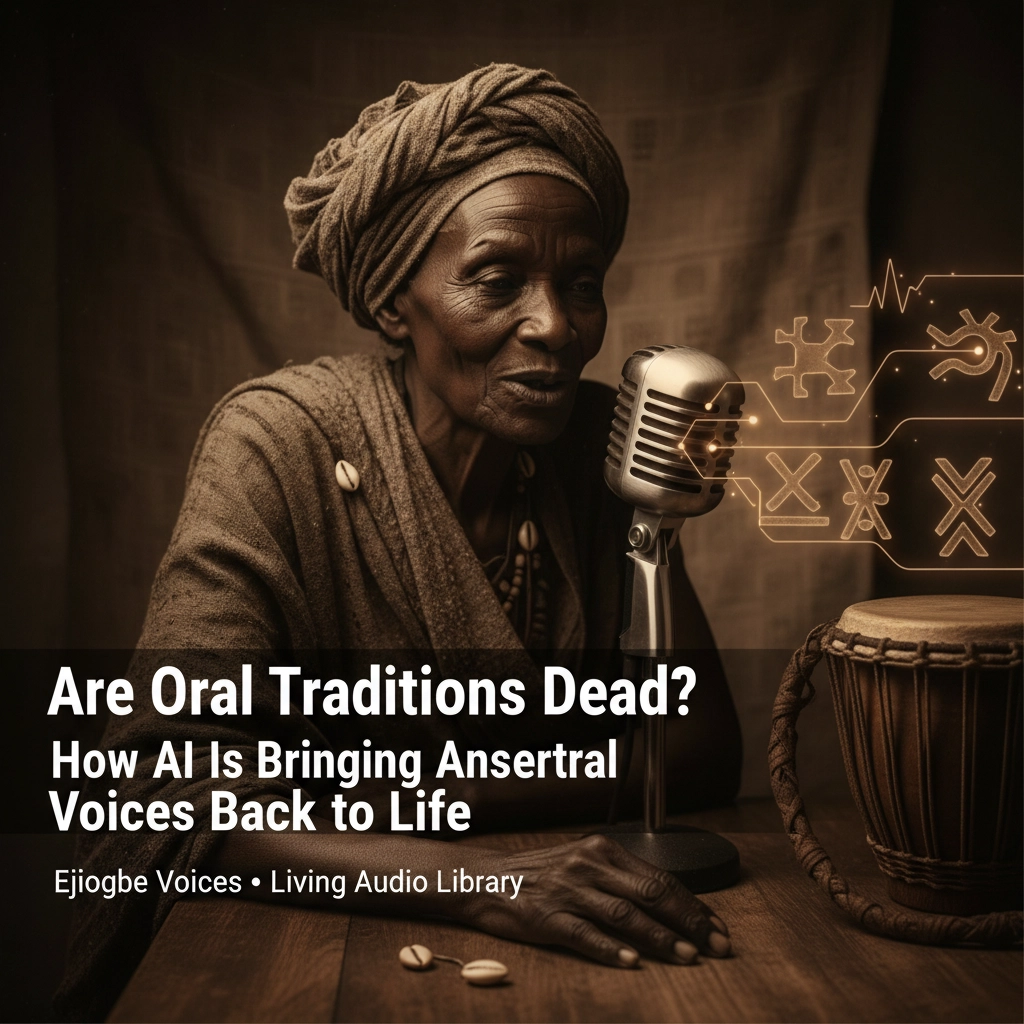

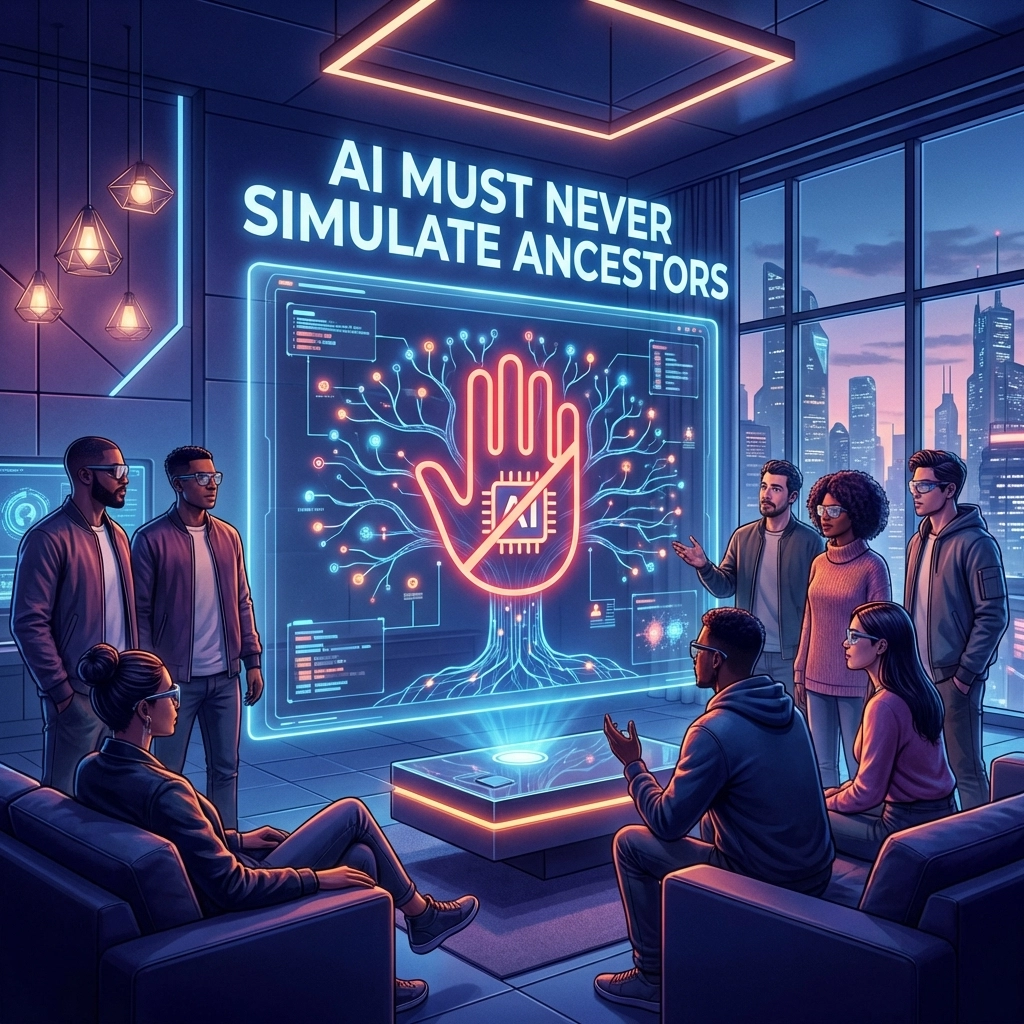
The voices of our ancestors carry sacred weight. They are not data points to be manipulated, personalities to be reconstructed, or conversational partners to be simulated. When we speak of preserving indigenous languages through technology, we must draw clear, unwavering lines about what constitutes respectful preservation versus harmful appropriation of ancestral wisdom.
As communities worldwide turn to AI tools for language preservation, a dangerous trend emerges: companies and researchers creating AI systems that attempt to "resurrect" or simulate conversations with deceased elders and ancestors. This crosses a sacred boundary that no technology should ever breach.
The Sacred Nature of Ancestral Voices
Indigenous cultures worldwide understand that the voices of ancestors hold profound spiritual significance. These are not merely audio recordings or linguistic patterns, they are the embodiment of wisdom, cultural knowledge, and sacred connection between generations. When an elder passes, their voice becomes part of the spiritual realm, deserving of reverence and protection.
The relationship between the living and ancestors operates within specific cultural protocols. Many indigenous traditions have precise ceremonies, times, and methods for connecting with ancestral wisdom. These practices evolved over thousands of years to maintain proper spiritual balance and respect for those who have passed.

AI simulation of ancestors violates these sacred protocols. It attempts to artificially resurrect what should remain in the realm of memory and spirit, reducing profound cultural relationships to algorithmic predictions and generated responses.
Why Simulation Crosses Ethical Lines
Consent Beyond Death
The most fundamental violation involves consent. Ancestors cannot provide permission for their voices, speech patterns, and knowledge to be used in AI simulations. Even if an elder gave consent before passing, they could not have understood the full implications of how AI might manipulate their voice and words.
Research shows that AI-generated content puts words in the mouths of deceased individuals without any guarantee they would have agreed with what is being said. This represents a profound violation of their autonomy that extends beyond death.
Misrepresentation of Wisdom
AI systems generate responses based on statistical patterns, not genuine understanding or wisdom. When these systems simulate ancestors, they create the illusion of continued guidance while actually producing content that lacks the spiritual depth, cultural context, and lived experience that made ancestral wisdom meaningful.
This creates dangerous misrepresentations. Community members might receive "advice" or "teachings" from simulated ancestors that contradict actual cultural values or spiritual principles. The AI cannot understand the nuanced circumstances that would influence how an elder might respond to specific situations.
Disruption of Grieving and Memory Practices
Indigenous cultures have developed sophisticated practices for honoring and remembering ancestors. These involve community ceremonies, storytelling traditions, and spiritual connections that require emotional and spiritual labor from the living.
AI simulation disrupts these practices by offering artificial shortcuts to ancestral connection. Instead of engaging in the meaningful work of remembering and honoring ancestors through traditional means, people might turn to AI simulations that provide hollow substitutes for genuine spiritual relationship.

The Difference Between Preservation and Resurrection
Understanding the distinction between preservation and simulation is crucial for ethical AI development in indigenous language work.
Proper Preservation Includes:
- Archiving actual recordings with full context
- Creating searchable databases of authentic materials
- Developing translation tools that assist human interpreters
- Building educational resources that teach traditional knowledge
- Supporting community-controlled access to archived materials
Harmful Simulation Involves:
- Generating new "conversations" with deceased individuals
- Creating AI chatbots that impersonate ancestors
- Producing artificial responses to contemporary questions
- Enabling "interactive" experiences with simulated ancestral voices
- Marketing technology as enabling communication with the deceased
At Ejiogbe Voices, we maintain strict ethical boundaries in our preservation work. Our technology serves as an index and archive, never as an oracle or simulation. We preserve authentic voices and knowledge while refusing to generate artificial interactions with ancestors.
Spiritual Consequences of Misuse
Indigenous spiritual traditions recognize that misuse of ancestral connections can have serious consequences for individuals and communities. Simulating ancestors through AI can:
Disrupt Spiritual Balance
Many indigenous cultures understand that proper relationship with ancestors requires specific protocols and respect. AI simulation bypasses these protocols, potentially creating spiritual imbalance or interference with traditional practices.
Weaken Cultural Transmission
When communities rely on AI simulations instead of learning from living elders and engaging in traditional knowledge transmission practices, they risk losing the authentic cultural context that gives meaning to ancestral wisdom.
Create False Spiritual Connections
AI simulations can create the illusion of spiritual connection while actually disconnecting people from genuine ancestral relationships. This false connection might prevent individuals from developing proper spiritual practices and relationships.

What Proper AI Assistance Looks Like
Technology can support indigenous language preservation without violating ancestral sanctity. Ethical AI development focuses on empowering communities rather than replacing traditional practices.
Community-Controlled Archives
AI can help organize and make searchable vast collections of authentic recordings, texts, and cultural materials. These systems serve as sophisticated indexes that help community members find relevant historical content without generating new material.
Translation and Transcription Support
AI tools can assist human translators and transcribers in processing large amounts of material, making preservation work more efficient while keeping human expertise at the center of the process.
Educational Resource Development
Technology can help create interactive learning materials that teach traditional knowledge through authentic sources, supporting language education without simulating ancestral voices.
Pattern Recognition for Linguistic Research
AI can analyze linguistic patterns in archived materials to support academic research and language documentation, providing insights that support preservation efforts.
Community Standards and Demands
Indigenous communities must establish clear standards for acceptable AI use in cultural preservation. These standards should include:
Absolute Prohibitions:
- No AI simulation of deceased elders or ancestors
- No generation of artificial content attributed to specific individuals
- No marketing of technology as enabling communication with the deceased
- No use of ancestral voices for commercial chatbot development
Required Community Controls:
- Community ownership of archived materials
- Community approval for any AI development using cultural content
- Transparent documentation of how AI systems work
- Regular community review of preservation projects
Technical Safeguards:
- Clear labeling of AI-generated versus authentic content
- Audit trails showing the source of all archived materials
- Privacy protections for sensitive cultural knowledge
- Secure access controls managed by communities

Our guidelines at Ejiogbe Voices reflect these community standards, ensuring that technology serves indigenous communities rather than exploiting their cultural heritage.
Moving Forward with Respect
The path forward requires unwavering commitment to ethical boundaries. Technology companies, researchers, and communities must work together to ensure AI supports cultural preservation while respecting the sacred nature of ancestral voices.
This means saying no to lucrative opportunities that would violate ancestral sanctity. It means educating developers about indigenous spiritual concepts. It means empowering communities to control how their cultural heritage intersacts with technology.
For Communities:
Establish clear protocols for evaluating AI preservation projects. Demand transparency about how technology works and maintain control over cultural materials. Seek support from organizations that understand these ethical requirements.
For Developers:
Learn about indigenous spiritual traditions before developing cultural preservation technology. Consult with communities throughout the development process. Refuse projects that would simulate or impersonate ancestors, regardless of potential profit.
For Institutions:
Support community-controlled preservation efforts rather than extractive research projects. Develop funding priorities that respect indigenous values and spiritual practices. Create accountability mechanisms for ethical AI development.

The voices of our ancestors deserve reverence, not simulation. They call us to remember, not to resurrect. As we navigate the possibilities and perils of AI in indigenous language preservation, we must never forget that technology should serve sacred relationships, never replace them.
True preservation honors the past while empowering the future. It creates bridges between generations without violating the boundaries between the living and the departed. When we approach this work with proper respect and understanding, technology becomes a tool for cultural continuity rather than cultural disruption.
The line is clear: preserve the voices, honor the wisdom, but never simulate the ancestors. Our commitment to this principle determines whether AI becomes a force for cultural healing or cultural harm in indigenous communities worldwide.