

In community centers from Toronto to São Paulo, in school libraries across Mumbai and Lagos, something remarkable is happening. Young voices are capturing the wisdom of their elders through digital storytelling projects that bridge decades of cultural knowledge with cutting-edge technology. These student-led initiatives are not just preserving stories: they're weaving threads between generations that seemed destined to drift apart.
The power of these projects lies in their ability to transform both storyteller and listener. When 16-year-old Amara sits with her Jamaican grandmother, recording stories of migration and resilience on her smartphone, she's not just creating content. She's becoming a cultural bridge, translating ancestral wisdom into formats that speak to her generation while honoring the sacred nature of these narratives.
When Technology Meets Tradition
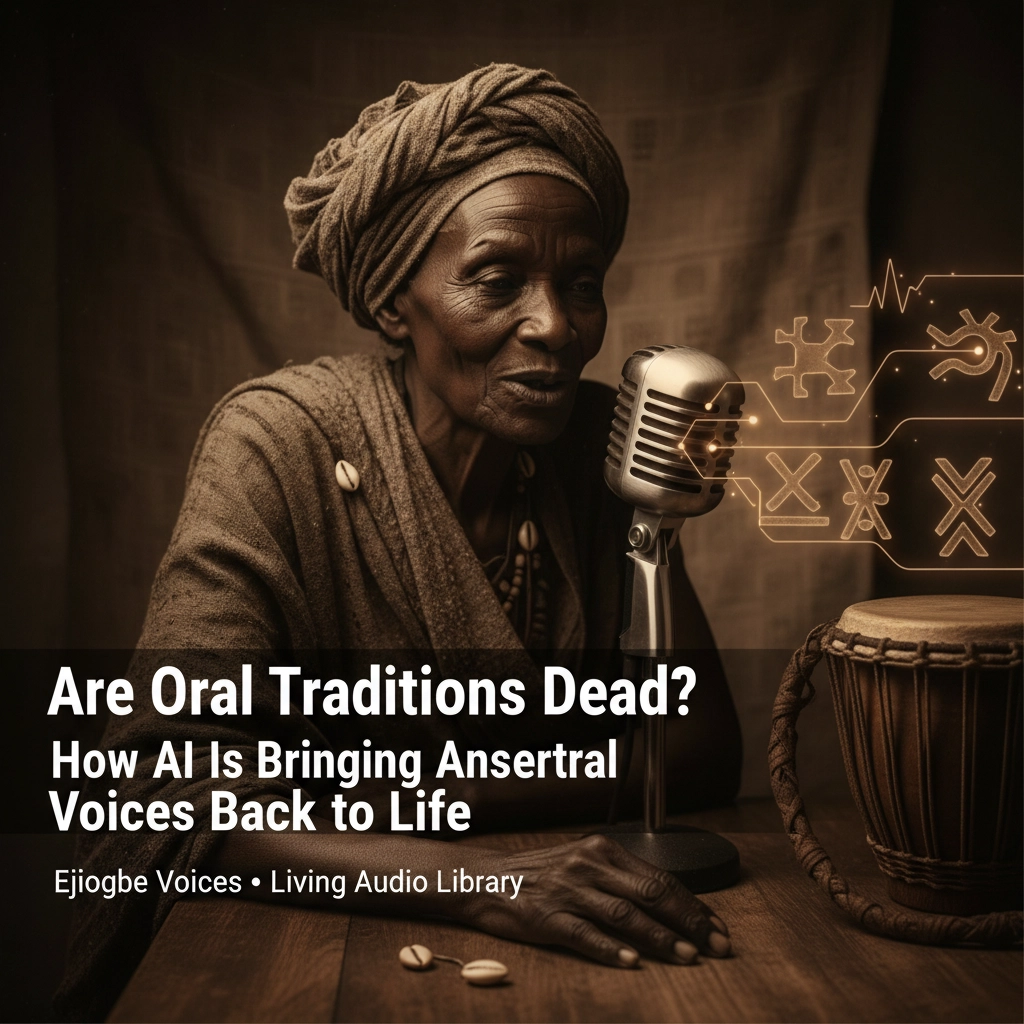
Digital storytelling projects across diverse communities are proving that technology doesn't have to distance us from our roots: it can actually help us dig deeper. In Indigenous communities across North America, students are using audio recording apps and video editing software to document traditional ecological knowledge that has been passed down orally for generations.

Take the work happening in Cree communities in northern Canada, where high school students collaborate with elders to create digital archives of traditional hunting practices, seasonal ceremonies, and language preservation. These aren't sterile academic exercises: they're living collaborations where teenagers learn to operate both modern recording equipment and traditional tools, guided by the patient wisdom of community elders.
Similarly, in South Asian communities across the diaspora, students are partnering with their grandparents to record family migration stories, traditional recipes, and cultural practices that risk being lost in the rapid pace of modern life. These projects often begin as simple school assignments but evolve into treasured family legacies that strengthen bonds across generations.
The Mentorship Revolution
What makes these initiatives truly transformative is the reversal of traditional learning dynamics. Students become the technical experts, teaching elders how to use digital tools, while elders become the wisdom keepers, sharing knowledge that can't be found in any textbook or online search.
In African diaspora communities, this dynamic has created particularly powerful results. Students from Ethiopian, Nigerian, and Ghanaian families are collaborating with community elders to document traditional music, oral histories, and cultural practices using everything from podcast platforms to interactive websites.
"My grandmother taught me songs she learned from her grandmother, but she also learned how to use GarageBand from me," shares Maria Santos, a student from a Brazilian favela whose digital storytelling project documented three generations of women's experiences. "We both became teachers and students."

This reciprocal learning creates bonds that extend far beyond the technical aspects of the projects. Students gain not just cultural knowledge, but also patience, respect, and understanding of different perspectives. Elders, meanwhile, discover that their stories have value in contemporary contexts and that young people are genuinely interested in preserving their legacy.
Breaking Down Language Barriers
One of the most significant impacts of student-led digital storytelling is how it preserves and revitalizes heritage languages. In Latino communities across the United States, students are creating bilingual digital stories that capture the nuanced beauty of code-switching: the natural flow between English and Spanish that characterizes many immigrant experiences.
These projects often start with students interviewing their abuelos and abuelas about their journey to America, their childhood in Mexico, Guatemala, or El Salvador, and the traditions they've maintained. The resulting digital stories become powerful tools for language preservation, capturing not just vocabulary but the rhythm, emotion, and cultural context that make languages truly alive.
Indigenous language preservation efforts have found particular success with digital storytelling approaches. Students work with tribal elders to create multimedia presentations that combine traditional stories with contemporary digital formats, ensuring these languages continue to evolve rather than becoming museum pieces.
The Collaborative Process: More Than Just Recording
The magic of these projects isn't just in the final products: it's in the collaborative process itself. Successful student-led digital storytelling initiatives typically unfold in phases that build trust and understanding between generations.
The initial phase often involves students simply spending time with elders, learning to listen without the pressure of recording. This relationship-building phase is crucial, as it establishes the respect and trust necessary for elders to share deeper, more personal stories.

Once trust is established, the technical collaboration begins. Students teach elders basic digital literacy skills while learning about proper protocols for handling sacred or sensitive cultural information. This mutual education creates a foundation of respect that elevates the entire project.
The storytelling phase becomes a dance between tradition and innovation. Students learn to ask questions that honor their elders' communication styles while using their technical skills to capture audio, video, and visual elements that bring stories to life in digital formats.
Impact Beyond the Individual
These projects create ripple effects that extend far beyond the immediate participants. Schools report that students involved in intergenerational digital storytelling projects show increased cultural pride, improved academic performance, and stronger family relationships.
Communities benefit from having their stories documented and preserved in accessible digital formats. Local libraries, community centers, and cultural organizations are building digital archives that serve as resources for future generations and educational tools for broader community understanding.
The projects also create new forms of cultural leadership. Students who participate in these initiatives often become cultural ambassadors in their schools and communities, sharing their experiences and encouraging other young people to engage with their heritage.
Technology as Cultural Bridge
The tools being used in these projects are often surprisingly simple: smartphone recording apps, basic video editing software, and free online platforms for sharing content. The accessibility of these technologies has democratized cultural preservation, making it possible for students in any community to become digital storytellers.

Social media platforms have also become unexpected allies in cultural preservation. Students are using Instagram Stories to share quick cultural lessons learned from elders, TikTok to demonstrate traditional dances or cooking techniques, and YouTube to host longer-form documentary-style stories.
This integration of traditional knowledge with contemporary communication platforms ensures that cultural wisdom reaches young audiences where they already spend their time, creating natural pathways for cultural transmission.
Challenges and Solutions
Not all communities have embraced digital storytelling with equal enthusiasm. Some elders remain skeptical of technology or worried about the appropriate handling of sacred information. Successful programs address these concerns by establishing clear protocols for content usage, ensuring community control over how stories are shared, and providing ongoing support for both students and elders throughout the process.
Privacy concerns have led to creative solutions, such as creating digital archives that remain within communities rather than being shared publicly online. Some projects focus on process rather than product, with the act of collaborative storytelling being more important than the resulting digital content.
The Future of Cultural Knowledge Transfer
As these student-led initiatives mature, they're beginning to influence formal educational approaches to cultural preservation. Schools are integrating intergenerational digital storytelling into their curricula, recognizing its power to engage students while preserving community knowledge.

Universities are partnering with community organizations to support these projects, providing technical resources and academic credit while ensuring that communities retain control over their cultural content.
The most successful initiatives are those that view digital storytelling not as a replacement for traditional oral traditions, but as a complement to them: a way of ensuring that ancient wisdom finds new life in contemporary contexts while maintaining its essential spirit and meaning.
Through patient collaboration, mutual respect, and creative use of technology, students and elders are proving that generational gaps don't have to be barriers to cultural transmission. Instead, they can become bridges that strengthen communities and ensure that the wisdom of the past continues to guide future generations.
These young cultural ambassadors are not just preserving stories: they're weaving new forms of connection that honor the past while embracing the possibilities of the future. In their hands, digital tools become instruments of cultural continuity, ensuring that ancestral voices continue to speak to hearts across generations.