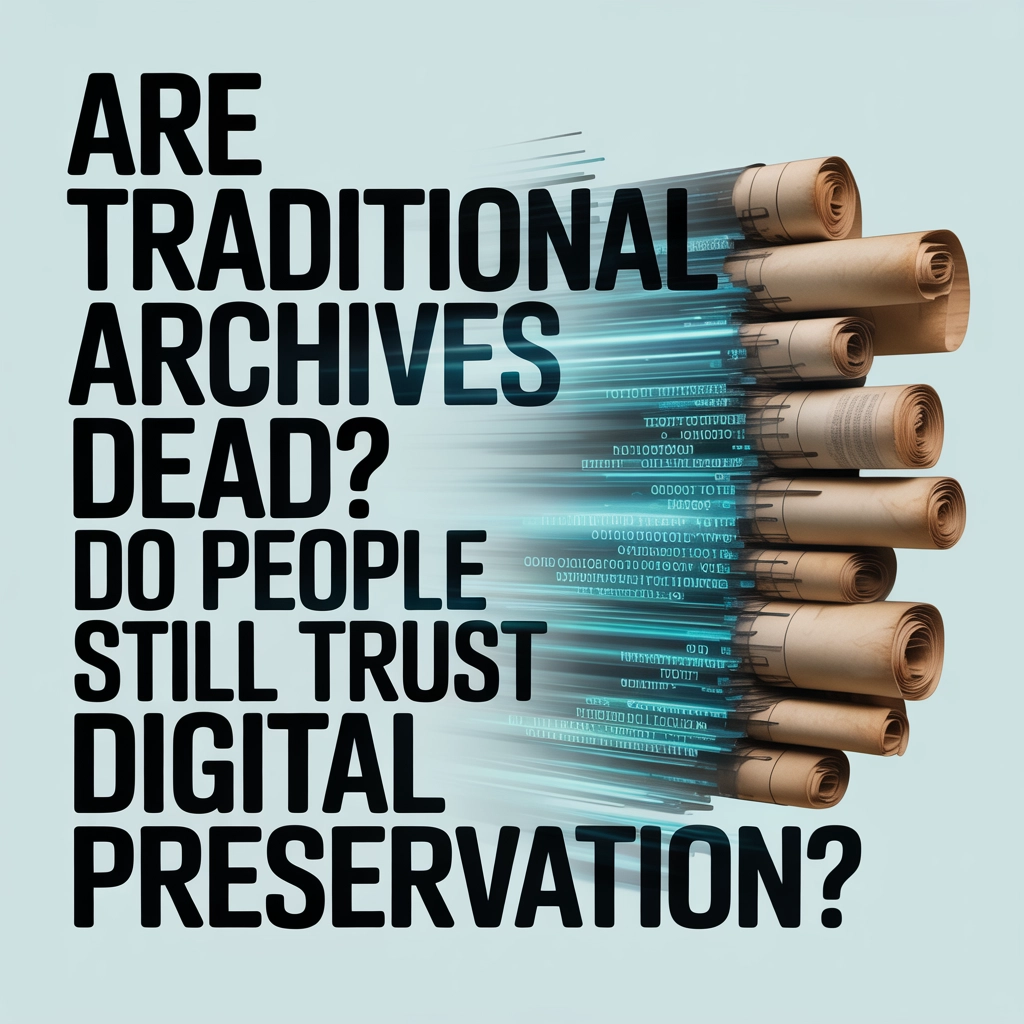


In our interconnected world, cultural practitioners face unprecedented opportunities and challenges in preserving ancestral wisdom digitally. Digital sovereignty: the fundamental right to maintain control over your community's data, digital infrastructure, and online presence: has become essential for safeguarding cultural identity and preventing exploitation in digital spaces.
This comprehensive guide empowers cultural practitioners with practical tools, strategies, and frameworks to protect heritage online while honoring traditional values and community governance structures.
Understanding Digital Threats to Cultural Heritage
Digital colonialism represents a modern form of exploitation that mirrors historical patterns of resource extraction, now targeting cultural data, traditional knowledge, and sacred representations without informed consent. Large technology platforms may collect data on Indigenous languages and cultural practices, potentially commodifying or misrepresenting sacred elements for commercial gain.
Common threats include:
- Unauthorized harvesting of cultural content by AI systems
- Misrepresentation of sacred traditions on mainstream platforms
- Loss of community control over cultural narratives
- Exploitation of traditional knowledge without benefit-sharing
- Surveillance technologies that disproportionately target marginalized communities

The risks extend beyond simple data collection. When cultural content becomes concentrated on dominant platforms without community oversight, we risk losing the rich diversity and authentic voices that must be preserved for future generations.
Building Your Digital Cultural Sovereignty Framework
Digital cultural sovereignty involves establishing control and agency over cultural heritage, expressions, and identity in digital form. This requires developing comprehensive strategies that address both technological and governance challenges while empowering communities to participate in digital spaces on their own terms.
Data Governance Systems
Effective digital sovereignty begins with culturally appropriate data governance frameworks that recognize collective community rights and establish clear guidelines for how cultural data is collected, stored, and used.
Essential elements include:
- Clear ownership protocols defining who controls cultural data and under what circumstances
- Consent processes that respect traditional decision-making structures and elder authority
- Access guidelines specifying who can view, use, or share cultural content
- Accountability mechanisms for external organizations seeking to use cultural materials
- Benefit-sharing agreements ensuring communities receive equitable returns from digital use of their heritage
Community-Driven Platform Choices
Selecting appropriate digital platforms requires careful consideration of community values, privacy needs, and long-term sustainability. Community archives often provide better protection than commercial platforms, which prioritize advertising revenue over cultural sensitivity.
Evaluation criteria for platforms:
- Data ownership policies and community control options
- Privacy protections and encryption capabilities
- Cultural sensitivity in content moderation policies
- Long-term sustainability and community governance models
- Interoperability with other preservation systems

Practical Protection Tools and Strategies
Technological Safeguards
Modern technology offers several powerful tools for protecting cultural heritage data while maintaining appropriate access for community members.
Blockchain technology creates secure, transparent records of data ownership and provenance, ensuring communities retain permanent control over their cultural heritage. Smart contracts can automate enforcement of data governance policies, guaranteeing that cultural content is used according to community values and guidelines.
Implementation strategies include:
- Distributed storage systems preventing single points of failure
- Encryption for sensitive cultural information and sacred knowledge
- Digital watermarking to track unauthorized use of cultural content
- Access control mechanisms respecting traditional knowledge protocols
- Secure communication channels for culturally sensitive discussions
Documentation Best Practices
Digital preservation requires balancing accessibility with protection, especially for intangible heritage that cannot be physically preserved. Since an increasing portion of cultural heritage is being produced and accessed digitally, proper documentation strategies are crucial.
Essential practices:
- Use open, standardized file formats reducing obsolescence risks
- Implement redundant storage across multiple geographic locations
- Create regular migration schedules updating formats as technology evolves
- Maintain detailed metadata preserving cultural context and meaning
- Establish partnerships with trusted digital repositories and cultural institutions

Establishing Community Governance
Decision-Making Structures
Digital sovereignty requires governance frameworks that reflect traditional community structures while addressing modern technological challenges. These frameworks must be developed through community-based negotiations ensuring digital technologies serve local interests.
Key governance elements:
- Elder councils or traditional authorities overseeing digital content decisions
- Community protocols for sharing sensitive or sacred materials
- Regular community consultations on digital strategy and platform choices
- Clear procedures for addressing violations or misuse of cultural content
- Mechanisms for community members to report concerns or suggest improvements
Monitoring and Accountability
Ongoing monitoring ensures digital sovereignty measures remain effective and responsive to community needs. Regular assessment helps identify emerging threats and opportunities for improvement.
Monitoring systems should track:
- How digital technologies impact cultural preservation and transmission
- Community satisfaction with digital representation and access
- Effectiveness of protection mechanisms and governance frameworks
- Economic and social impacts of digitization efforts
- Unauthorized use or misrepresentation of cultural content
Building Digital Capacity
Skills Development
Successful digital sovereignty requires investment in both technical infrastructure and human capacity. Training programs must combine digital literacy with cultural sensitivity, ensuring technology serves community values rather than undermining them.
Capacity building priorities:
- Training community members in basic digital security and privacy protection
- Developing technical skills for content creation and digital preservation
- Building leadership capacity for digital governance and decision-making
- Creating mentorship networks connecting experienced practitioners with emerging professionals
- Establishing community technology centers providing access to digital tools and resources
Collaborative Partnerships
Strategic partnerships can provide resources and expertise while respecting community autonomy. Cross-cultural collaborations offer opportunities to share knowledge and develop best practices for digital sovereignty implementation.
Partnership considerations:
- Shared values around cultural preservation and community empowerment
- Mutual respect for traditional knowledge systems and governance structures
- Clear agreements about data ownership, access, and benefit-sharing
- Ongoing communication and relationship maintenance
- Flexibility to adapt partnerships as community needs evolve

Legal and Policy Advocacy
Intellectual Property Protection
Establishing robust legal protections requires advocating for mechanisms that recognize the unique nature of traditional knowledge and cultural expressions. This includes supporting development of sui generis intellectual property rights that go beyond conventional copyright and trademark protections.
Advocacy priorities:
- Community collective rights rather than individual ownership models
- Protection for traditional knowledge that may not meet conventional novelty requirements
- Recognition of customary laws and traditional governance systems
- International frameworks supporting Indigenous and traditional community rights
- Enforcement mechanisms that are accessible and culturally appropriate
Policy Engagement
Active participation in policy development processes ensures legal frameworks reflect community values and protection needs. Cultural practitioners must engage with lawmakers, regulators, and international bodies to advocate for digital rights and cultural preservation.
Moving Forward: Sustainable Digital Futures
Digital sovereignty is not a destination but an ongoing journey requiring continuous attention, adaptation, and community engagement. Success depends on empowering communities to control their digital destinies while fostering resilient socio-technical ecosystems that support cultural preservation and transmission.
The path forward requires collective effort through dialogue involving all community stakeholders, working through both local governance systems and broader networks to ensure new technologies serve all communities rather than extractive interests.
By implementing comprehensive strategies addressing technological, legal, and capacity challenges, cultural practitioners can ensure digital transformation strengthens rather than diminishes cultural diversity and community autonomy. Through careful planning, appropriate tools, and strong community governance, we can create digital futures that honor ancestral wisdom while embracing technological possibilities for cultural preservation and sharing.
Your community's digital sovereignty journey begins with understanding these principles and adapting them to your unique cultural context and values. The tools and strategies exist; now it's time to claim your rightful place as stewards of your digital cultural heritage.
Learn more about how Ejiogbe Voices supports cultural preservation through community-centered digital solutions.