

The dusty shelves and quiet corridors of traditional archives are giving way to something far more vibrant and alive. Today's digital archives aren't just repositories: they're bustling community centers where stories flow, connections spark, and cultural heritage grows stronger through shared participation.
Gone are the days when archives meant silence and "do not touch" signs. We're witnessing a beautiful transformation where digital spaces become gathering places, where community members don't just visit: they contribute, collaborate, and co-create the very essence of their cultural memory.
When Communities Take the Lead
The most powerful digital archives we see today are those where communities hold the reins. Take the Brooklyn Public Library's community-driven digitization projects, where neighborhood residents bring their personal collections: family photos, local business records, community newsletters: to be digitized and shared. These aren't just adding to a collection; they're weaving together the fabric of community identity.

What makes these initiatives special is the collaborative curation process. Community members don't just drop off materials and walk away. They participate in metadata creation, adding context that only they can provide. They tag photos with names and dates, share stories behind documents, and connect seemingly unrelated items with personal memories that transform isolated artifacts into meaningful narratives.
The Densho Digital Repository exemplifies this approach beautifully. This Japanese American digital archive doesn't just preserve historical documents: it creates spaces for intergenerational dialogue. Survivors of incarceration camps work alongside their grandchildren to add context to photographs, creating rich, layered stories that would be impossible in a traditional static archive.
Interactive Storytelling That Bridges Generations
Modern digital archives thrive when they become storytelling platforms rather than storage containers. The StoryCorps project demonstrates this perfectly: their digital archive doesn't just house recorded conversations; it creates ongoing opportunities for community members to add their voices to an ever-growing tapestry of human experience.
Interactive maps have become powerful tools for community engagement. The Historypin platform allows users to "pin" historical photos to specific locations, creating virtual time travel experiences. Community members walking through their neighborhoods can access layers of history tied to exact spots, then contribute their own memories and images to keep the story growing.
These platforms succeed because they make participation intuitive and meaningful. Users don't need technical expertise: they need curiosity and stories to share. The technology serves the community, not the other way around.
Building Networks That Strengthen Communities
The most successful digital archives recognize that community building happens through networks, not just collections. The South Asian American Digital Archive (SAADA) creates multiple entry points for engagement: oral history projects, social media campaigns, community events, and collaborative research initiatives.

What sets vibrant digital archives apart is their commitment to relationship building. They invest in outreach coordinators who attend community events, build trust with cultural organizations, and create pathways for different types of participation. Some community members contribute materials, others provide context and metadata, while still others help with translation or technological support.
The Mukurtu platform, developed specifically for indigenous communities, embodies this network approach. It provides tools for communities to control access to their cultural materials while enabling appropriate sharing and collaboration. Community protocols determine who can access what content, ensuring cultural sovereignty while fostering engagement.
From Consumption to Co-Creation
Traditional archives asked communities to be grateful recipients of preserved culture. Today's dynamic digital archives invite communities to be active co-creators of their cultural legacy. This shift transforms the entire relationship between institutions and communities.
The Digital Public Library of America's Community Reps program trains community members to become local digitization advocates. These representatives don't just identify materials for digitization: they help their communities understand how to shape their digital presence, ensuring local voices and priorities guide the preservation process.
Successful platforms create multiple layers of engagement:
- Browse and discover: Accessible interfaces that welcome casual exploration
- Contribute content: Easy upload tools for photos, documents, and stories
- Add context: Commenting and tagging systems that encourage community knowledge-sharing
- Collaborate on projects: Opportunities for deeper involvement in curation and research
- Shape platform development: Community input on features and priorities
Technology That Serves Cultural Values
The most effective digital community archives understand that technology must align with cultural values, not override them. The Plateau Peoples' Web Portal, created by and for Columbia River tribal communities, demonstrates how digital platforms can honor traditional protocols while enabling modern sharing and collaboration.

These platforms prioritize cultural appropriate access controls. Some materials might be freely accessible to the general public, while others require community membership or specific permissions. This nuanced approach to access ensures that digitization serves community values rather than compromising them.
Mobile-first design has become crucial for community engagement. Many community members access these archives primarily through smartphones, so successful platforms optimize for mobile interaction, making it easy to contribute photos, record stories, or participate in discussions while on the go.
Practical Steps for Creating Living Archives
Communities ready to transform their digital archives into vibrant spaces can start with several key strategies:
Start with relationships, not technology. Invest time in community outreach and trust-building before launching any digital platform. Host community conversations about goals, concerns, and cultural protocols.
Create multiple entry points for participation. Not everyone wants to contribute the same way. Some prefer uploading family photos, others excel at adding contextual information, while still others might lead community collection events.
Design for ongoing engagement, not one-time visits. Include features like notifications when related content is added, community discussion spaces, and regular calls for specific types of contributions.
Prioritize accessibility and inclusion. Ensure platforms work across different devices, support multiple languages, and accommodate varying levels of technical comfort.
Build in feedback loops that allow the community to shape the platform's evolution. Regular surveys, community meetings, and user testing sessions ensure the archive continues serving community needs.
The Ripple Effect of Living Archives
When digital archives become living communities, the impact extends far beyond preservation. Intergenerational connections strengthen as older community members share knowledge with younger participants. Cultural pride deepens as communities see their stories valued and accessible. Social cohesion grows through shared participation in preserving collective memory.
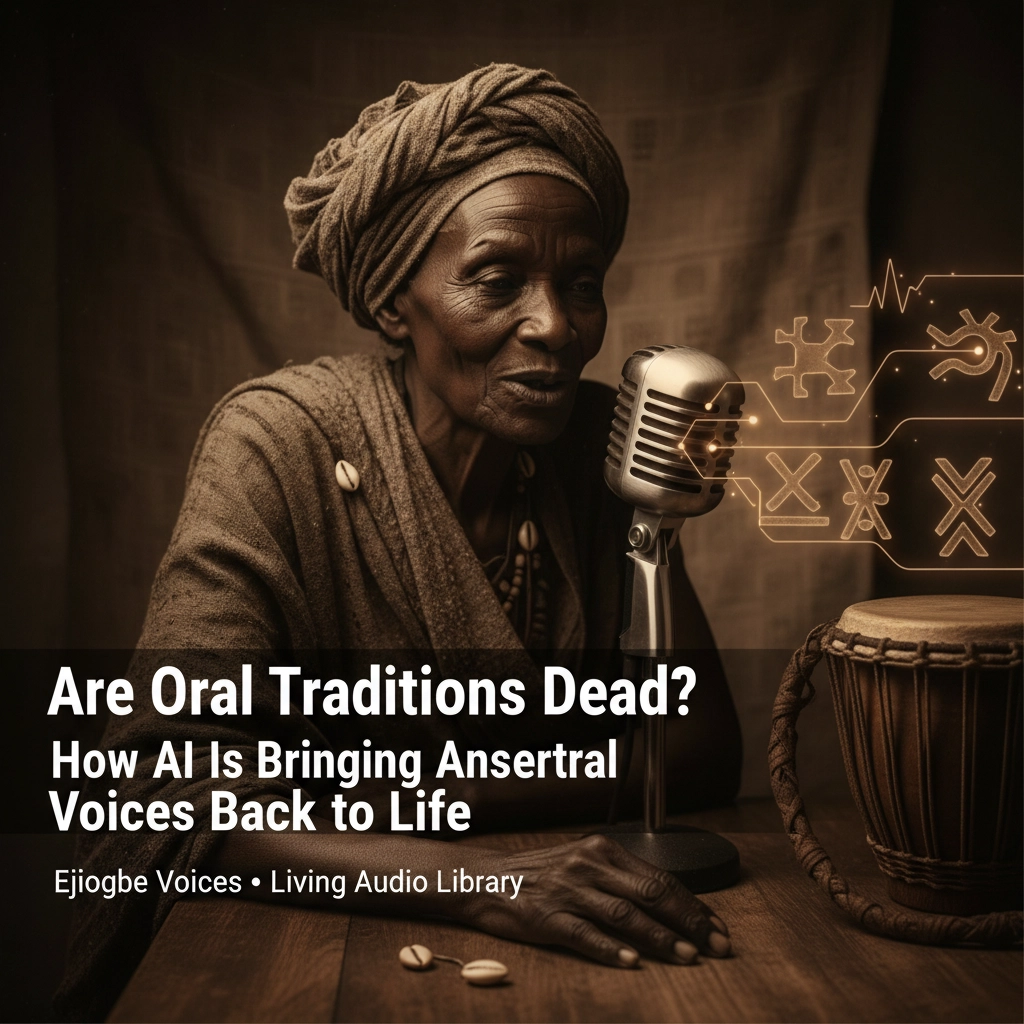
The Ejiogbe Voices platform embodies this vision, creating technological tools that honor ancestral wisdom while fostering modern community engagement. By bridging traditional knowledge-sharing with contemporary digital accessibility, these platforms ensure cultural heritage remains vibrant and relevant for future generations.
Community archives become cultural bridges, connecting diaspora populations with homeland traditions, enabling cross-cultural dialogue, and creating spaces where diverse voices contribute to richer, more complete historical narratives. They transform from places where culture is stored into spaces where culture is actively lived, shared, and continuously created.
The future belongs to archives that breathe with community life: platforms that grow stronger through participation, deepen through collaboration, and thrive through the ongoing engagement of the communities they serve. In these living digital spaces, preservation becomes participation, and heritage becomes a shared, evolving conversation that honors the past while nurturing the future.