

The boardroom buzzes with excitement as executives review the latest AI implementation proposal. Productivity gains of 40%. Cost reductions of 30%. Faster decision-making. Streamlined workflows. The numbers paint a compelling picture of corporate efficiency that shareholders will love.
But beneath the spreadsheets and ROI calculations lies a deeper question that many organizations are grappling with: Are we trading our authentic workplace culture for algorithmic optimization?
This tension between AI-driven efficiency and cultural preservation isn't just a philosophical debate: it's reshaping how we work, connect, and preserve the wisdom that makes organizations truly valuable. At Ejiogbe Voices, we've witnessed firsthand how technology can either erode or enhance the voices that matter most.
The Efficiency Trap: When AI Becomes a Cultural Bulldozer

The rush toward AI adoption reveals a startling reality: only about 1 percent of organizations describe themselves as "mature" in AI deployment, despite massive investments. This "productivity paradox" means that 30 to 40 percent of potential impact often gets lost due to misaligned incentives and insufficient organizational redesign.
The real danger emerges when companies treat AI purely as a tool to automate work and reduce headcount without considering the human implications. We've seen organizations implement voice cloning technology to replace customer service representatives, deploy speech-to-text systems that strip away conversational nuance, and introduce AI avatars that deliver corporate messaging with zero cultural context.
This approach creates a perception that the organization values outputs over people: eroding trust and belonging in the process.
Consider the manufacturing company that replaced their experienced floor supervisors' safety briefings with AI-generated voice recordings. While the system delivered consistent messaging and saved time, it eliminated the personal connections, cultural knowledge, and situational wisdom that these supervisors had cultivated over decades. Efficiency increased, but workplace culture flatlined.
The False Choice: Culture vs. Efficiency

Here's what the data reveals: culture and efficiency aren't mutually exclusive when AI is implemented thoughtfully. The most successful organizations recognize that human-centered values: mission, belonging, and transparency: must guide AI integration to preserve trust and inclusion.
The companies that successfully navigate AI integration create a positive feedback loop where AI enhances culture, which in turn amplifies the benefits of AI. The difference lies not in spending more on AI, but in executing better by maintaining human agency and values at the center of the strategy.
At Ejiogbe Voices, we've learned that technology becomes culturally destructive only when it's deployed without reverence for the voices and wisdom it aims to serve. When AI tools are designed to amplify human expression rather than replace it, they become instruments of cultural preservation.
How AI Can Preserve and Enhance Authentic Culture
Real-Time Connection and Personalization
Modern AI-powered communication tools address a critical workplace issue: 56% of employees feel disconnected from their organization. Through sentiment analysis and real-time feedback processing, companies can detect cultural gaps before they escalate and respond to employee needs proactively.
JPMorgan Chase implemented an AI education program alongside new communication tools, resulting in a 30% increase in AI adoption and greater employee trust in leadership decisions. The key was treating AI as a bridge for human connection, not a replacement for it.

Removing Friction to Enable Deeper Work
AI excels at automating routine tasks, allowing employees to focus on strategic and creative endeavors. This shift transforms organizational culture by encouraging higher-order skills and critical thinking. When employees spend less time on administrative burden and more time on meaningful work, it naturally fosters a culture that values innovation and continuous improvement.
Scaling Personalized Experience Without Sacrificing Humanity
One of AI's most powerful applications is personalizing the employee experience: from tailored content to intelligent recognition systems: helping employees feel seen, valued, and supported. This personalization happens at scale without added complexity, allowing companies to grow strong, AI-aligned cultures.
The Ejiogbe Voices Approach: Technology in Service of Wisdom

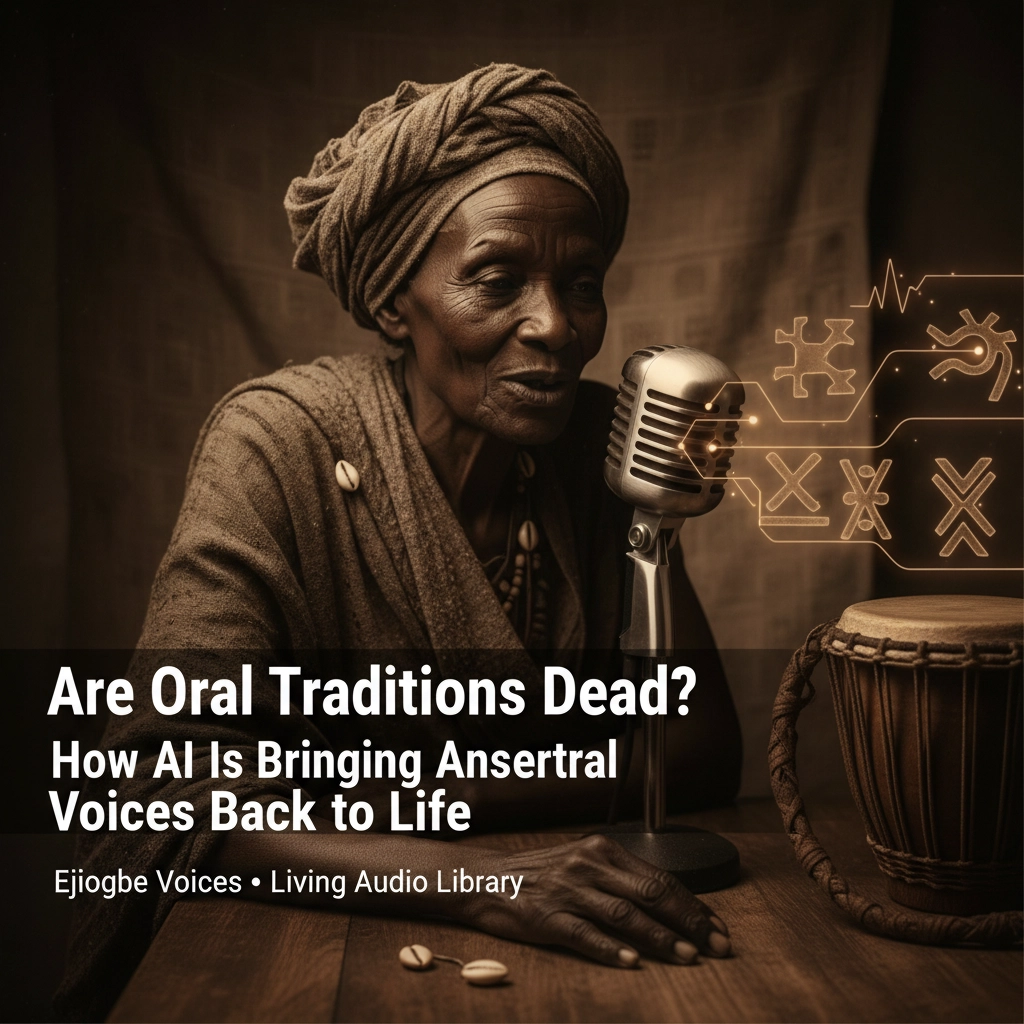
Our work at Ejiogbe Voices demonstrates how AI can serve as a guardian of culture rather than its destroyer. By developing voice preservation technology that captures not just words but the emotional nuance, cultural context, and generational wisdom embedded in human speech, we've seen how AI can amplify rather than replace authentic voices.
When elders share their knowledge through our platform, AI doesn't strip away their humanity: it preserves it, making ancestral wisdom accessible across generations and geographical boundaries. The technology becomes transparent, allowing the authentic voice and cultural knowledge to shine through.
This approach requires intentionality. Every AI implementation decision must be filtered through the question: "Does this preserve and amplify human wisdom, or does it replace it with algorithmic approximation?"
The Path Forward: Rehumanizing AI Integration
Organizations that successfully balance efficiency gains with cultural preservation follow a consistent pattern:
Reimagine the Business Through Technology – Use AI to enhance human capabilities rather than replace human judgment. Focus on augmentation over automation.
Rewire Systems for Speed and Scale – Implement AI tools that accelerate meaningful work while preserving the interpersonal connections that drive culture.
Rehumanize Through Upskilling and Empowerment – Invest in developing employees' uniquely human skills: critical thinking, cultural competency, and emotional intelligence: that become more valuable alongside AI.
Preserve Institutional Memory – Use voice preservation and knowledge capture technologies to ensure that organizational wisdom, cultural practices, and interpersonal relationships aren't lost in the efficiency shuffle.

The companies achieving up to three times more value from their technology investments aren't those that spend the most on AI: they're the ones that execute better by maintaining human agency and cultural values at the center of their strategy.
Beyond the Boardroom: A Cultural Renaissance
The question isn't whether to adopt AI: that ship has sailed. The question is whether we'll use AI to build more connected, culturally rich organizations or settle for efficient but soulless operations.
At Ejiogbe Voices, we believe technology should serve as a bridge between generations, preserving the wisdom of elders while empowering communities to maintain their cultural identity in an increasingly digital world. When AI amplifies authentic voices rather than replacing them, it becomes a tool for cultural renaissance rather than cultural erosion.
The organizations that thrive in the AI era won't be those that achieve the highest efficiency metrics: they'll be those that use technology to create more meaningful work, stronger connections, and deeper cultural preservation.
The choice is yours: Will your AI implementation be a cultural bulldozer or a wisdom amplifier?
Ready to explore how voice preservation technology can enhance your organization's culture while driving efficiency? Discover Ejiogbe Voices and join the movement to preserve authentic voices in the digital age.