

After centuries of collecting, cataloguing, and controlling the narratives of Indigenous, African, Oceanic, Caribbean, and Latino communities, major museums are finally: finally: handing the keys back to the people whose ancestors' stories they've housed. The question isn't whether this shift is overdue (it absolutely is), but rather: what took them so damn long?
The Awakening That Should Have Happened Decades Ago
Walk into the Smithsonian's National Museum of the American Indian today, and you'll witness something revolutionary: Native curators leading tours, Indigenous voices narrating their own histories, and community elders deciding which sacred objects should be displayed versus those that should remain private. This wasn't always the case. For generations, museums operated like cultural extraction sites, where artifacts were removed from their origins and interpreted through distinctly European lenses.
The Brooklyn Museum's recent partnership with Caribbean communities to reshape their African art exhibitions represents this seismic shift. Local historians, cultural practitioners, and diaspora communities now collaborate directly with museum staff to contextualize pieces that were once labeled with clinical detachment. What emerges isn't just more accurate history: it's living, breathing cultural preservation.

But here's the uncomfortable truth: these partnerships should have been the standard from day one, not groundbreaking innovations worthy of press releases in 2025.
The Colonial Foundation That Built Museums
Museums were designed as monuments to conquest, not collaboration. When European colonizers established these institutions, they created "systems of classification and control" that deliberately excluded the voices of the very communities whose treasures filled their halls. The Metropolitan Museum's infamous 1969 "Harlem on My Mind" exhibition stands as a perfect example: an entire show celebrating Black culture that somehow managed to exclude Black artists from its planning process.
The Whitney Museum continued this troubling pattern as recently as their Black Lives Matter acquisition, unilaterally collecting materials without consulting the activists who created them. Imagine the audacity: claiming to preserve a movement while ignoring the movement's own leaders. It's cultural ventriloquism at its most offensive.
These weren't isolated incidents or simple oversights. They were the natural outcomes of institutions built on the premise that Western academics could better interpret non-Western cultures than the people who lived them.
The Community Revolution Taking Root
Today's transformation feels different because communities aren't just being consulted: they're taking control. The Mellon Foundation's 2025 Community-Based Archives program represents a fundamental shift in funding philosophy, directing resources directly to community-led initiatives rather than requiring partnerships with established institutions.
In New Zealand, Māori communities now lead the digitization of their own cultural materials, ensuring that sacred knowledge remains within appropriate cultural protocols. These aren't museum programs with community input; they're community programs that happen to utilize digital museum technologies.

Similarly, African diaspora communities across the Caribbean have established their own archival networks, connecting families separated by centuries of displacement with their ancestral stories. These initiatives operate independently of traditional museum structures, proving that communities never needed institutions to preserve their heritage: they needed institutions to stop gatekeeping it.
The Pacific Model: Islands Leading Change
Oceanic communities have pioneered perhaps the most radical reimagining of cultural preservation. In Fiji, local villages maintain digital archives that include not just artifacts but living practices: recordings of traditional fishing techniques, seasonal ceremonies, and oral histories shared in indigenous languages without translation.
The power shift is unmistakable: instead of objects being removed from their cultural context and displayed in glass cases, cultural knowledge remains embedded within its community while becoming globally accessible through technology. It's preservation without extraction, documentation without displacement.
What makes this approach so revolutionary is its rejection of the museum model entirely. These communities aren't seeking validation from established institutions; they're building parallel systems that serve their own needs while sharing their wisdom on their own terms.

Why Indigenous Communities Are Leading This Movement
Indigenous communities worldwide have become the unexpected leaders in community-controlled archiving, largely because they've experienced the most egregious examples of cultural extraction. Native American tribes have fought for decades to repatriate sacred objects held in museums, only to discover that many items were acquired through questionable means or outright theft.
This battle for repatriation has evolved into something more profound: the creation of Indigenous-led digital archives that circumvent traditional museum structures entirely. The National Congress of American Indians now maintains databases of cultural materials that prioritize tribal sovereignty over public access, ensuring that sensitive information remains within appropriate community channels.
The success of these initiatives has inspired similar movements among Aboriginal Australians, who've established networks for sharing cultural knowledge that spans the continent while respecting the complex protocols of different tribal groups.
Latino and Caribbean Communities Reclaim Their Narratives
Latino and Caribbean communities have embraced community-led archiving as a form of resistance against historical erasure. The Museum of the City of New York's recent collaboration with Puerto Rican community groups represents this shift: instead of experts interpreting Puerto Rican experiences, community members curate exhibitions that reflect their lived realities.
These partnerships have revealed how much context was lost when communities were excluded from the storytelling process. Family histories, migration patterns, and cultural adaptations that were invisible to outside researchers become central themes when communities control their own narratives.

The Caribbean Cultural Center African Diaspora Institute has pioneered models where community elders work directly with digital archivists to preserve not just objects but the stories, songs, and practices that give those objects meaning. It's a holistic approach that recognizes culture as a living ecosystem rather than a collection of static artifacts.
The Digital Revolution That Changed Everything
Technology has democratized cultural preservation in ways that traditional museums couldn't anticipate. Communities no longer need million-dollar climate-controlled facilities to maintain their archives: they need digital literacy, community commitment, and respect for cultural protocols.
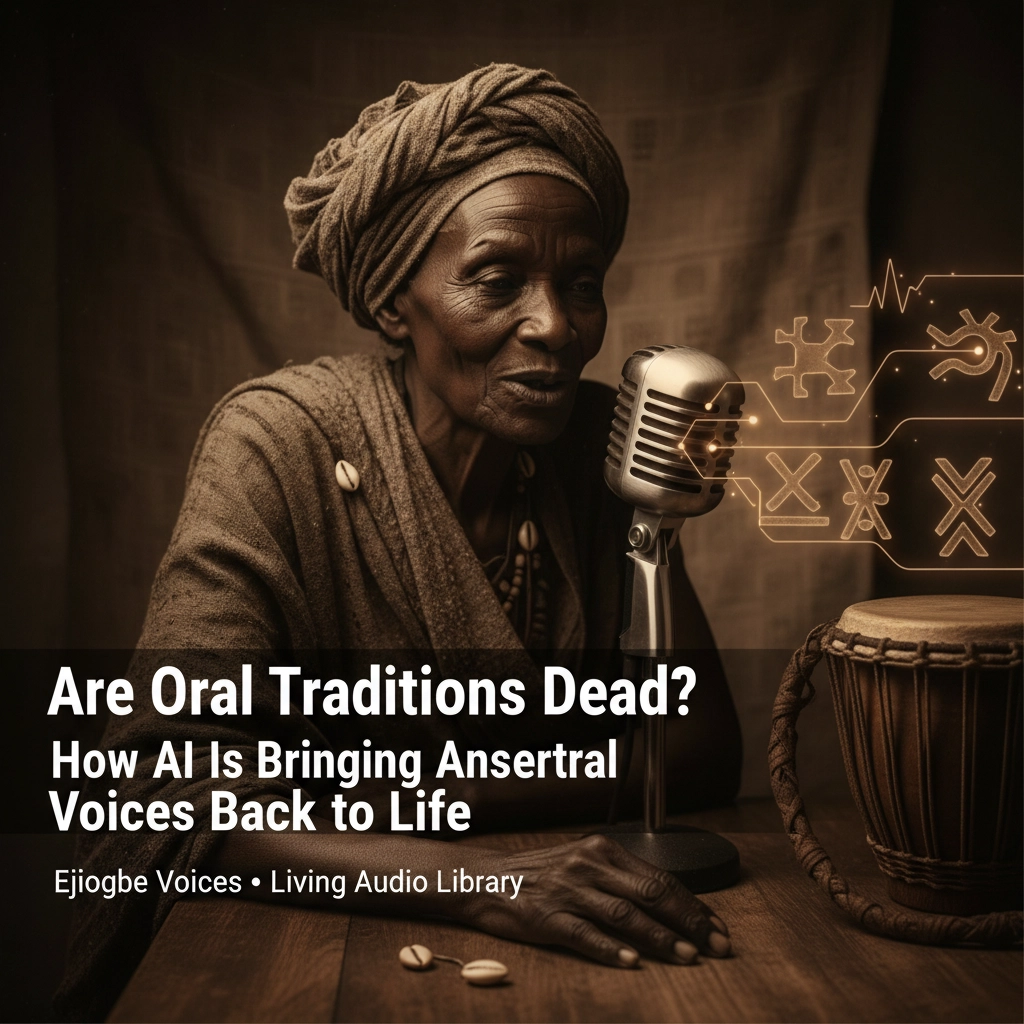
The affordability and accessibility of digital archiving tools have eliminated many barriers that previously made museums seem necessary. A grandmother in rural Ghana can now record her recipes, stories, and songs and share them with family members scattered across the globe, creating archives that are simultaneously intimate and international.
This technological shift has exposed the fundamental question that museums avoided for centuries: who exactly were these institutions serving? If communities can preserve and share their own cultures more effectively than outside institutions, what role should museums play?
The Resistance That Reveals Old Hierarchies
Not every museum has embraced this transformation willingly. Some institutions continue to resist sharing authority, claiming expertise that communities supposedly lack. This resistance reveals the deeper truth about what took so long: museums weren't just preserving culture: they were consolidating cultural power.
When the British Museum continues to resist returning artifacts to their origin countries, citing conservation concerns that those same countries dispute, it exposes the paternalistic assumptions that built these institutions. The message is clear: we know better than you how to care for your own heritage.
This institutional resistance is becoming increasingly untenable as communities demonstrate their capacity to manage complex digital archives, maintain cultural protocols, and reach global audiences: all while keeping their cultural integrity intact.
The Future That Communities Are Building
The most exciting developments aren't happening in traditional museums at all. They're occurring in community centers, cultural organizations, and family networks where people are building archives that serve their immediate needs while contributing to global cultural knowledge.
These community-led initiatives prioritize access for their own members while making strategic decisions about what to share more broadly. It's cultural preservation with agency, documentation with dignity.
The shift represents more than changing museum practices: it's the emergence of an entirely new model for cultural preservation, one where communities control their own narratives, determine their own protocols, and share their heritage on their own terms.
Museums that embrace this transformation will survive as partners rather than gatekeepers. Those that resist will become increasingly irrelevant as communities build their own institutions, networks, and archives.
The question isn't whether this change was overdue: it's whether traditional institutions can evolve quickly enough to remain valuable partners in the community-led cultural preservation movement that's already transforming how heritage lives, breathes, and travels across the globe.
At Ejiogbe Voices, we're committed to supporting this community-driven revolution, developing technologies that empower communities to preserve their voices while maintaining complete control over their cultural narratives.