

In the quiet corners of libraries across India, elderly Tamil scholars work frantically to digitize palm leaf manuscripts before they crumble to dust. Meanwhile, in Silicon Valley, algorithms trained on Sanskrit texts are being packaged into meditation apps that promise "authentic ancient wisdom" to Western consumers. This juxtaposition captures the profound tension of our digital age: artificial intelligence has become both the guardian and the potential gravedigger of humanity's most precious ancestral voices.
The relationship between AI and ancient wisdom is not simply one of preservation versus destruction. It's a complex dance between accessibility and authenticity, between democratization and dilution, between saving knowledge and potentially losing its essence. As communities worldwide grapple with language extinction and cultural erasure, AI emerges as a double-edged sword that demands our careful attention.
The Promise: How AI Rescues Disappearing Voices
Racing Against Time and Decay
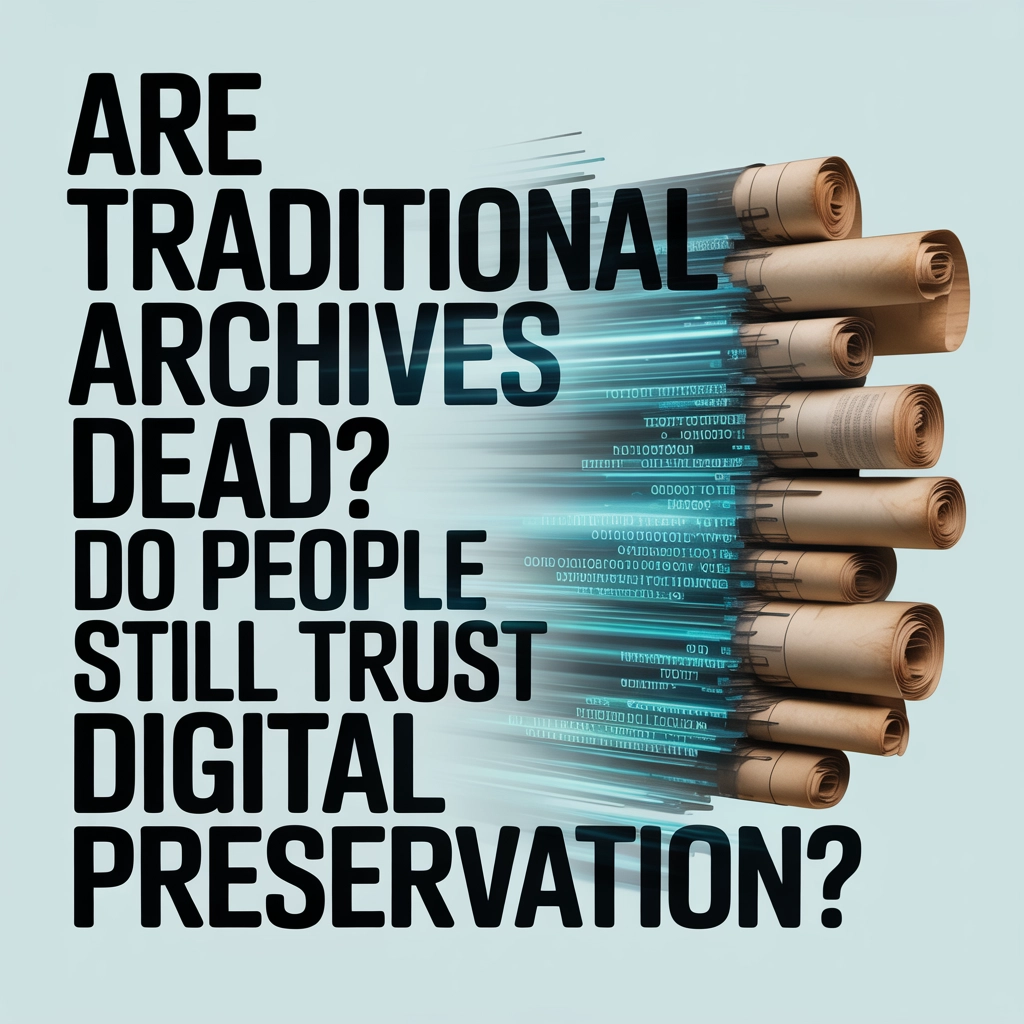
Every day, approximately 25 percent of the world's ancient manuscripts edge closer to irreparable decay. In monastery libraries across Nepal, Tibetan Buddhist texts written on bark paper face extinction from humidity and neglect. Tamil palm leaf manuscripts, some dating back over a thousand years, dissolve faster than human hands can transcribe them. This is where AI-powered optical character recognition becomes a guardian angel.
Modern algorithms can now decipher ancient scripts like Devanagari, Tamil Brahmi, and Tibetan Uchen with remarkable precision. These systems work tirelessly, scanning deteriorating manuscripts and converting handwritten symbols into digital text that will outlast the original materials. The technology doesn't tire, doesn't need breaks, and can process volumes that would take human scholars decades to complete.

Breaking Down Educational Barriers
For generations, access to ancient wisdom traditions remained locked within specific communities, languages, and institutions. Sanskrit learning was confined to brahminical traditions, Pali texts to monastic orders, and Tamil classical literature to scholarly families. AI language models are democratizing this access in unprecedented ways.
Interactive learning platforms now use natural language processing to teach ancient languages with personalized approaches. Students in rural villages can access Sanskrit lessons through their smartphones, while diaspora communities maintain connections to their ancestral tongues through AI-powered language apps. These tools recognize speech patterns, correct pronunciation, and adapt to individual learning styles in ways that traditional classroom settings often cannot.
Preserving Oral Traditions Through Digital Archives
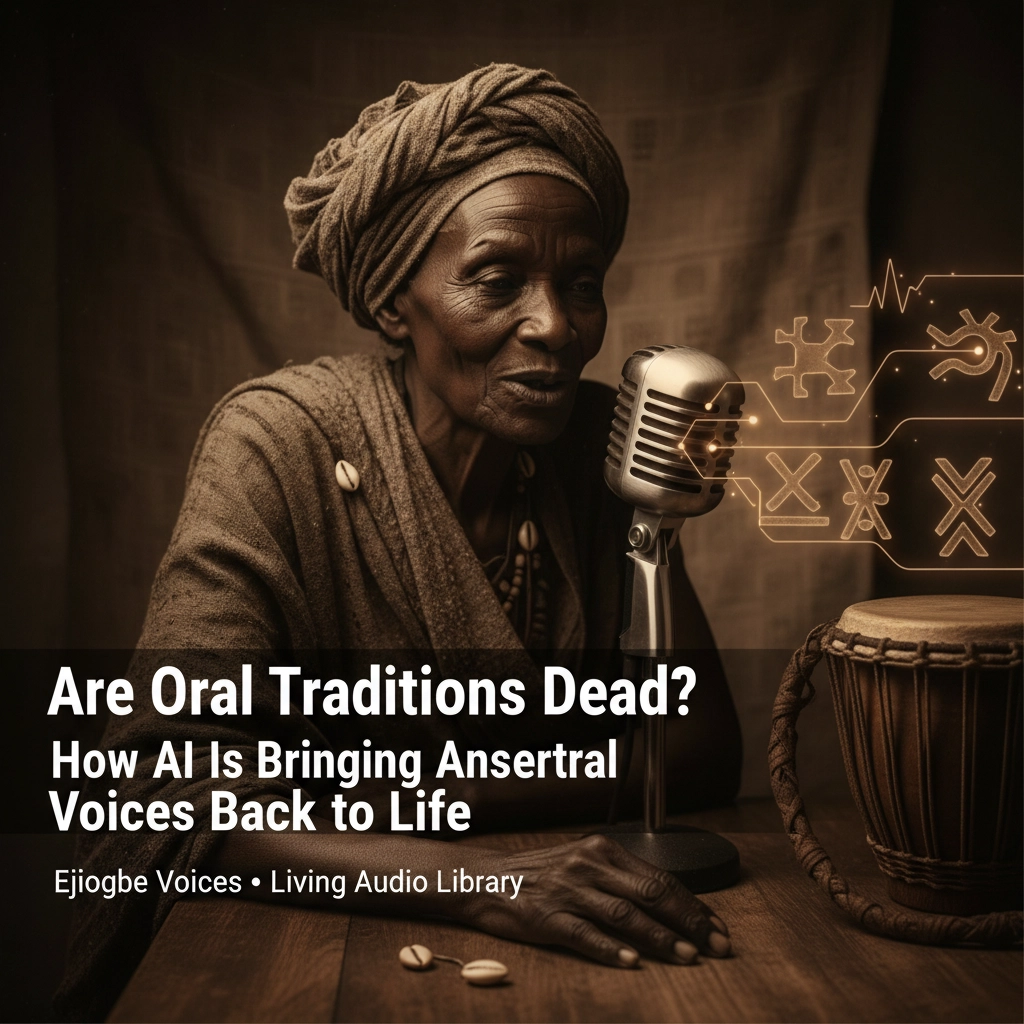
Perhaps most significantly, AI enables the creation of comprehensive digital repositories that capture not just written texts but oral traditions, songs, prayers, and stories. Voice recognition technology can transcribe spoken wisdom from elders, while machine learning algorithms organize and tag this content for future generations.
Organizations like Ejiogbe Voices understand that preservation isn't just about storing information: it's about maintaining the living connection between communities and their heritage. AI tools can analyze speech patterns, identify linguistic variations, and ensure that the subtle nuances of oral transmission remain intact in digital form.
The Peril: When Preservation Becomes Distortion
The Context Crisis
Ancient wisdom was never meant to be consumed in isolation. Traditional learning involved apprenticeship, lived experience, and deep immersion in cultural contexts. When AI algorithms translate Sanskrit verses about dharma or explain Tibetan concepts of emptiness, they risk reducing profound philosophical frameworks to simplified explanations divorced from their lived reality.
A Tamil verse about devotion to Murugan carries layers of meaning rooted in specific landscapes, festivals, and community practices. When processed through translation algorithms, these cultural anchors often disappear, leaving behind sanitized interpretations that miss the vibrant context that gives the wisdom its power.

The Authenticity Question
Who decides what constitutes "authentic" ancient wisdom when AI systems make it accessible? When meditation apps claim to offer "traditional Sanskrit mantras" generated by algorithms, or when language learning platforms teach "classical Tamil" based on limited datasets, questions of authenticity become urgent.
The algorithms are only as good as their training data, and that data is often collected and curated by people who may have their own biases, limitations, or agendas. This raises profound questions about whose version of ancient wisdom gets preserved and promoted.
The Battleground: South Asian Language Politics in the Digital Age
The preservation challenges become even more complex when viewed through the lens of South Asian language politics. The ongoing tension between Tamil identity and Sanskrit hegemony, the dominance of Hindi in educational systems, and the marginalization of regional scripts create a fraught landscape where AI either amplifies existing power structures or offers tools for resistance.
Tamil Script Under Siege
The digitization of Tamil literature faces unique challenges that highlight broader cultural preservation issues. While Hindi and Sanskrit enjoy robust support from government institutions and well-funded digitization projects, Tamil manuscripts often rely on community-driven efforts with limited resources.
AI systems trained primarily on Devanagari scripts struggle with Tamil's unique character forms and conjunct letters. This technological bias reflects deeper structural inequalities where certain languages receive priority in the digital revolution while others fight for basic recognition. When Tamil texts are poorly digitized or incorrectly transcribed by inadequate AI systems, the resulting errors compound over time, potentially distorting the tradition for future generations.

Hindi Dominance in Digital Education
The push for Hindi as India's link language extends into digital spaces, where AI-powered educational platforms predominantly offer content in Hindi and English. This digital linguistic imperialism threatens to further marginalize regional languages and their associated wisdom traditions.
When AI tutoring systems for ancient texts are available primarily in Hindi, they inadvertently reinforce the narrative that Hindi is the proper medium for accessing Indian heritage. This creates a double displacement: first from the original language of the texts, and then into Hindi rather than the learner's mother tongue.
The Sanskrit Revival Paradox
Ironically, AI has breathed new life into Sanskrit learning, with apps and platforms making the classical language more accessible than it has been in centuries. However, this revival often strips Sanskrit of its traditional contexts and transforms it into a commodity for wellness markets rather than a living tradition embedded in specific communities and practices.
Finding the Path Forward: Wisdom in the Age of Algorithms
The challenge isn't to reject AI's role in preserving ancient wisdom, but to approach it with the same reverence and care that traditional communities have always brought to knowledge transmission. This requires recognizing AI as a tool that must be guided by human wisdom rather than a replacement for traditional learning methods.
Community-Controlled Preservation
The most promising approaches to AI-assisted preservation involve communities maintaining control over their own knowledge. When Tamil scholars direct the digitization of their manuscripts, when Tibetan monks oversee the scanning of their texts, and when indigenous communities guide the recording of their oral traditions, the technology serves wisdom rather than distorting it.

Ethical AI Development
Technology companies and research institutions have a responsibility to develop AI systems that honor the cultural contexts of ancient wisdom. This means involving traditional knowledge holders in every stage of development, from data collection to algorithm training to interface design.
It also requires transparency about the limitations of AI systems and clear communication about what these tools can and cannot do. An AI translation of a Vedic hymn is not the same as learning from a traditional guru, just as a digitized palm leaf manuscript is not identical to studying with a Tamil pundit.
Bridging Generations
Perhaps most importantly, AI should facilitate rather than replace intergenerational knowledge transmission. The most effective digital preservation projects bring elders and young people together, using technology as a bridge rather than a barrier.
When a grandmother's lullabies are recorded and transcribed by AI, but then taught to children through direct interaction, the technology enhances rather than diminishes the traditional learning relationship. When ancient texts are made searchable through AI but studied in community settings with experienced teachers, digital tools support rather than supplant traditional pedagogies.

The Wisdom to Choose Wisely
As we stand at this crossroads between ancient wisdom and artificial intelligence, we face choices that will shape how future generations access and understand their heritage. The technology itself is neither savior nor destroyer: it is a powerful tool that amplifies human intentions and decisions.
The path forward requires combining the efficiency and reach of AI with the depth and authenticity of traditional knowledge transmission. It means using technology to make ancient wisdom more accessible while maintaining the reverence, context, and community connections that give that wisdom its transformative power.
In the end, the greatest wisdom may lie in recognizing that preserving ancient knowledge is not just about saving texts or recordings: it's about keeping alive the spirit of inquiry, devotion, and community that created that knowledge in the first place. AI can help us save the words, but only human hearts and minds can keep the wisdom truly alive.
The algorithms may capture the letters, but it takes living communities to preserve the love. In that balance between technological capability and human wisdom lies the key to honoring our ancestors while serving our descendants: ensuring that the voices of the past continue to guide us toward a more thoughtful future.