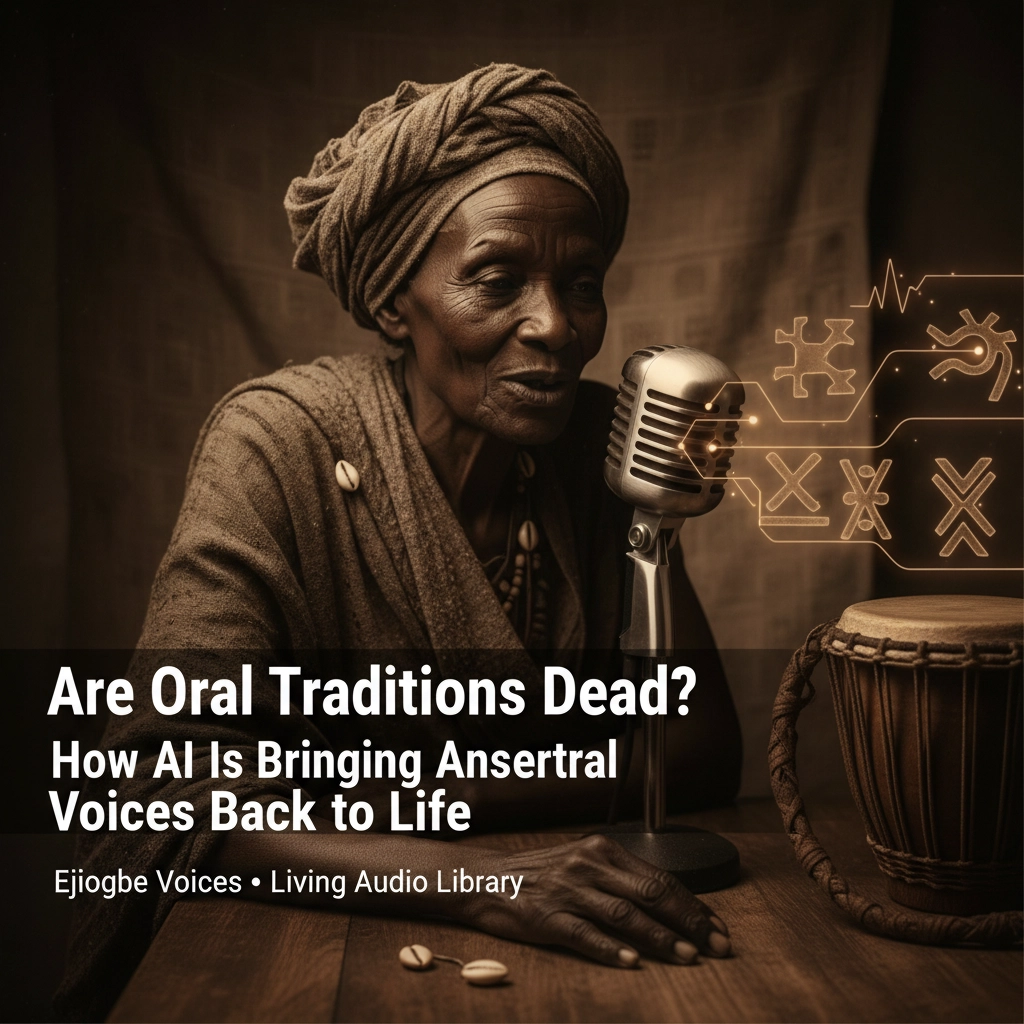


Across the digital landscape, Indigenous communities worldwide are pioneering revolutionary approaches to reclaim their stories, preserve ancestral wisdom, and challenge centuries of misrepresentation. Their innovative use of technology offers profound lessons for African diaspora traditions seeking to amplify authentic voices and connect scattered communities through shared heritage.
These parallel movements: born from similar struggles against colonial narratives: demonstrate how marginalized communities can transform digital spaces from tools of oppression into platforms of empowerment. The convergence of Indigenous digital sovereignty and African diaspora storytelling creates unprecedented opportunities for mutual learning, cultural preservation, and collective resistance.
The Foundation of Indigenous Digital Sovereignty
Indigenous communities have developed sophisticated frameworks for maintaining cultural sovereignty over their digital narratives. This approach centers on community ownership, ensuring that storytelling remains rooted in traditional knowledge systems while leveraging modern technology's reach and accessibility.
Community-based Indigenous digital storytelling has emerged as particularly powerful because it supports communities in taking charge of how their stories are told and heard. The process honors the fundamental relationship between filmmakers and their communities, with Elders and knowledge holders playing crucial roles throughout production. These relationships, marked by respect and reciprocity, influence every editing decision as stories transform from oral traditions to digitized formats.

This collaborative approach represents more than technical innovation: it embodies resistance to the dominance of written texts in colonial society while promoting Indigenous ways of knowing. Traditional knowledge holders ensure that digital narratives remain authentic, culturally appropriate, and aligned with community values. The emphasis on relationships and reciprocity creates a model that honors both ancestral wisdom and contemporary storytelling needs.
Indigenous activists recognize social media's power in amplifying marginalized voices, using these platforms to share authentic stories, document rights abuses, and mobilize international support. However, their approach goes beyond mere content creation: it encompasses a holistic strategy for cultural preservation and community empowerment.
Navigating Digital Challenges with Wisdom
Despite their innovations, Indigenous communities face significant obstacles in digital spaces that reveal the limitations of mainstream platforms. Research shows that activists often use social media out of necessity rather than preference, finding these solutions misaligned with their contextual needs and cultural values.
Major concerns include platform constraints that limit authentic expression, privacy issues that threaten sacred knowledge protection, cultural insensitivity in content moderation, superficial engagement metrics that don't reflect meaningful connection, and frequent breaches of consent regarding Indigenous content. These challenges highlight the need for culturally sensitive digital environments that honor Indigenous protocols and values.

Indigenous activists also struggle with social media fatigue, noting that global emphasis on digital engagement can divert focus from essential field activities that directly benefit local communities. The time-consuming nature of conveying practical information to audiences with preconceived notions often feels like an endless loop, leading to calls for platforms that consider users' mental well-being and incorporate cultural and linguistic practices.
This experience offers valuable insights for African diaspora communities: while digital tools provide unprecedented opportunities for connection and amplification, sustainable digital activism must balance online engagement with community-centered work that directly serves local needs.
African Diaspora Digital Renaissance
The African diaspora has simultaneously developed its own digital storytelling traditions through Africana Digital Pedagogy: a method of teaching and cultural exchange among people of African descent using digital platforms. These spaces have become crucial for diaspora communities to establish and discover commonalities, with participants noting profound connections to "many like me" while strengthening ties to African heritage.
Digital platforms have fostered digital Pan-Africanism rooted in shared experiences of trauma, resistance, and resilience. African diaspora communities use these spaces to learn about "various injustices and how they are parallel to the things we experience," recognizing that marginalization, oppression, and systemic racism affect Black people globally. This recognition creates opportunities for collective empowerment and knowledge sharing across geographical boundaries.

The diaspora's digital movements emphasize cultural continuity and connection, using technology to bridge distances created by historical displacement. These platforms serve as virtual gathering spaces where traditions, languages, and practices can be shared, preserved, and evolved for new generations. The emphasis on commonalities and shared experiences creates a foundation for building solidarity and mutual support networks.
Convergent Wisdom: Learning Across Traditions
The intersection between Indigenous and African diaspora digital movements reveals striking parallels and complementary strengths. Both communities prioritize community ownership as fundamental to controlling how stories are shared, ensuring that narratives remain authentic and serve community needs rather than external agendas.
Indigenous approaches to relationship-building and collaborative editing offer valuable models for African diaspora storytelling. By ensuring cultural authenticity and community input throughout the production process, these methods honor the collective nature of cultural knowledge while creating space for individual voices and experiences.
The Indigenous emphasis on incorporating tribal philosophies, spiritualities, and legacies into social media usage provides a framework for how African diaspora communities can ground their digital presence in traditional knowledge systems. This approach actively destabilizes colonial power structures and supports decolonization efforts, offering strategies that African diaspora traditions can adapt to challenge dominant narratives about African heritage and contemporary experiences.

Both movements demonstrate how digital platforms can serve as tools for redefining representation while challenging caricatures. The Indigenous focus on creating culturally sensitive platforms suggests opportunities for African diaspora communities to advocate for digital spaces that better serve their needs, values, and storytelling traditions.
Building Bridges: Collaborative Pathways Forward
The convergence of these movements creates opportunities for cross-community collaboration that addresses shared challenges while amplifying collective voices. Both Indigenous and African diaspora communities face algorithmic bias, cultural insensitivity of mainstream platforms, and the need for sustainable digital activism that doesn't sacrifice community well-being.
Successful models like the Community Leaders Network in Southern Africa demonstrate how regional networks can effectively leverage digital tools while maintaining cultural integrity. These approaches offer templates for building bridges between Indigenous and African diaspora communities, creating opportunities for knowledge sharing, mutual support, and collaborative resistance to digital colonization.
The development of culturally appropriate platforms represents a shared priority that could benefit from collaborative innovation. By combining Indigenous expertise in community-centered storytelling with African diaspora experience in building transnational networks, both movements could create digital environments that better serve marginalized communities globally.

This collaborative approach extends beyond technology to encompass shared advocacy for digital rights, cultural preservation, and community sovereignty. Together, these movements can challenge mainstream platforms to adopt more inclusive policies, support culturally appropriate content moderation, and recognize the unique needs of Indigenous and diaspora communities.
Empowering Future Generations
The lessons emerging from Indigenous digital sovereignty movements offer African diaspora traditions concrete strategies for reclaiming narrative control while honoring ancestral wisdom. Key principles include prioritizing community ownership, incorporating traditional knowledge holders throughout the storytelling process, building relationships based on respect and reciprocity, and creating sustainable approaches that balance digital engagement with community-centered work.
As these movements continue to evolve, their convergence represents a powerful opportunity to create more inclusive digital ecosystems that center community ownership, cultural authenticity, and collaborative storytelling approaches. By learning from each other's innovations and challenges, Indigenous and African diaspora communities can build stronger foundations for preserving heritage, empowering future generations, and transforming digital spaces from sites of extraction to tools of liberation.
The future of authentic digital storytelling lies not in competing narratives but in collaborative approaches that honor the wisdom of all marginalized communities while creating spaces for diverse voices to flourish. Through shared learning, mutual support, and collective innovation, these movements can ensure that technology serves cultural preservation, community empowerment, and the ongoing work of decolonization.