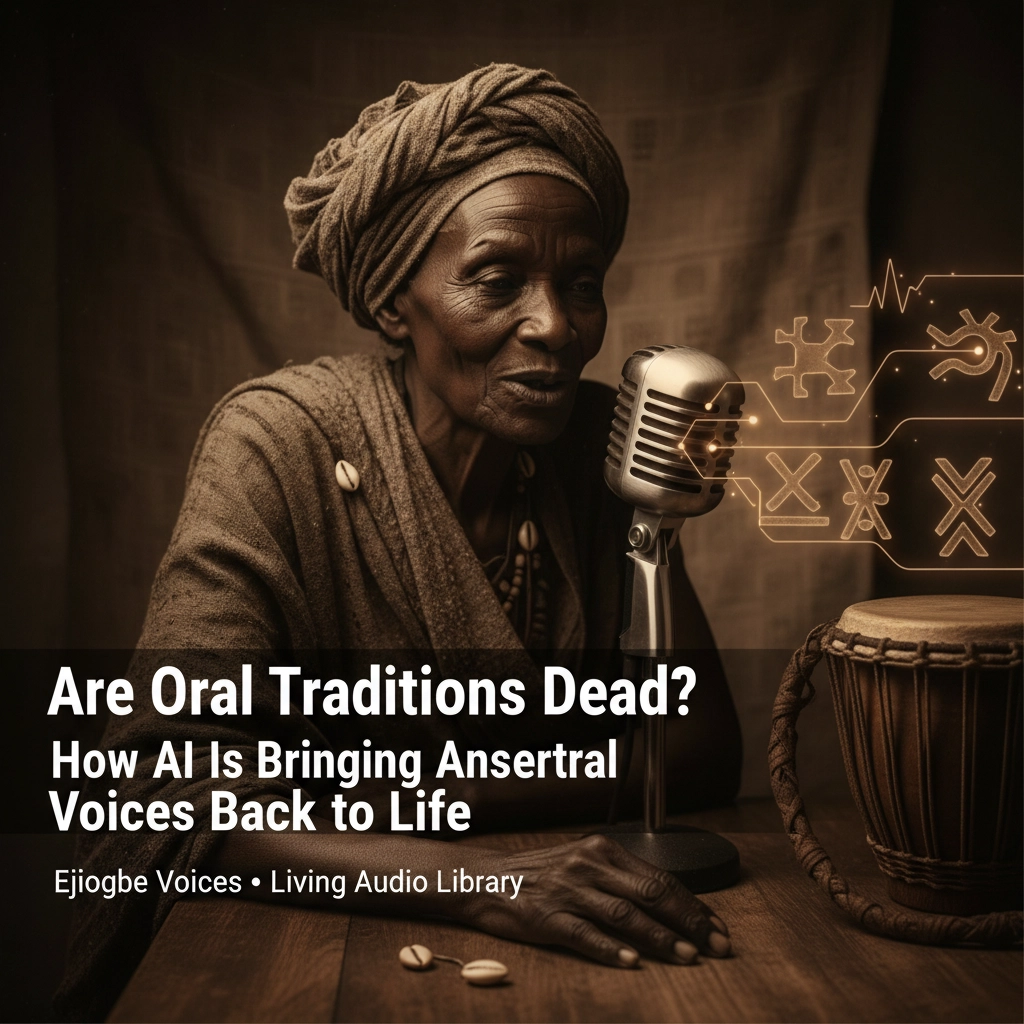


In the quiet moments when an elder shares a story passed down through generations, something profound happens: wisdom flows from one heart to another, carrying with it the power to heal wounds, bridge divides, and strengthen communities. Today, digital archives are emerging as sacred vessels for these precious exchanges, transforming from passive repositories into active instruments of peace, justice, and collective healing.
The voices of our elders hold keys to understanding not just where we've been, but where we're going. Their testimonies, prayers, teachings, and guidance represent living bridges between ancestral knowledge and contemporary challenges. When we preserve these voices through thoughtful digital archiving, we create more than historical records: we build foundations for reconciliation, community healing, and lasting peace.
From Silence to Voice: The Transformation of Digital Archives
Traditional archives have long reflected the perspectives of dominant institutions, often excluding the voices of marginalized communities whose stories deserve equal reverence and attention. This historical oversight has created gaps in our collective memory, leaving communities without access to their own narratives and healing traditions.

Digital archives are now being reimagined as tools for social justice, prioritizing inclusive storytelling that honors diverse perspectives. This shift recognizes that archives wield tremendous power over collective memory and national identity, shaping how we understand ourselves as individuals, communities, and societies. When elders from African, diaspora, and Indigenous communities share their stories through digital platforms, they reclaim control over their narratives and contribute to a more complete understanding of our shared human experience.
The transformation extends beyond mere documentation. These archives become living testimonies of resilience, preserving the strategies communities have used to survive, thrive, and maintain their cultural identity across generations of challenge and change.
The Sacred Role of Elder Voices in Community Healing
Elder voices carry unique significance in the healing process because they embody both witnessed history and earned wisdom. When community conflicts arise or historical wounds need tending, elders often serve as mediators, drawing upon decades of experience navigating similar challenges. Their stories provide context, perspective, and proven pathways toward resolution.
In many African traditions, elders function as griots: keepers of oral history who maintain community memory through storytelling, song, and ceremony. When these voices are preserved digitally, their impact multiplies exponentially. A grandmother's account of how her community resolved land disputes can inform contemporary conflict resolution. An elder's testimony about maintaining cultural practices during periods of oppression can guide current preservation efforts.

Digital preservation ensures these wisdom traditions remain accessible to future generations while creating opportunities for cross-community learning. An Indigenous elder's teachings about environmental stewardship can inform African diaspora communities facing similar ecological challenges. Stories of successful reconciliation from one community can inspire healing processes in another.
Building Digital Bridges: Community-Driven Archive Projects
Across the globe, communities are embracing digital tools to create their own archives, with elder voices at the center of these initiatives. The Somalian Digital Archive exemplifies how preservation efforts enable communities to see themselves reflected authentically in historical records. Rather than relying on external institutions to tell their stories, Somalian communities document their own experiences, traditions, and wisdom through elder testimonies.
Similar projects emerge throughout Africa and its diaspora. In Ghana, digital platforms preserve the voices of elderly market women who maintained economic traditions during colonial periods. Their stories illuminate strategies for economic resilience that inform contemporary entrepreneurship initiatives. In the Caribbean, elder voices document migration experiences, family preservation strategies, and cultural adaptation techniques that guide current diaspora communities.
These archives operate on the principle that "writing your own history is another tool of empowerment." When communities control their own narratives through elder voices, they challenge institutional oversight and create space for authentic self-representation.
Healing Through Historical Documentation
The concept of "Healing Through Archives" recognizes that the process of documenting community stories: particularly through elder voices: becomes inherently therapeutic. When elders share their experiences of survival, resistance, and cultural preservation, they validate community experiences while providing roadmaps for healing.

In post-conflict societies, elder testimonies become crucial resources for truth and reconciliation processes. Their firsthand accounts provide context for understanding how conflicts developed while offering wisdom about forgiveness, restoration, and community rebuilding. The digital preservation of these voices ensures their insights remain available to support ongoing healing efforts.
Elder voices also contribute to intergenerational healing by helping younger community members understand historical context for contemporary challenges. When a young person struggling with identity questions listens to an elder's story about maintaining cultural practices despite external pressure, they gain both validation and guidance for their own journey.
Technology as Sacred Tool: Expanding Access to Wisdom
Digital platforms have revolutionized access to elder voices, ensuring their wisdom reaches broader audiences while maintaining cultural sensitivity and community ownership. Projects like the Peace News Digital Archive demonstrate how technology can preserve decades of activism and peace-building wisdom, making this knowledge available to inspire future generations.
The democratizing effect of digital preservation means elder voices can now contribute to global conversations about peace and justice. A South African elder's testimony about community healing after apartheid can inform reconciliation efforts worldwide. An Indigenous grandmother's teachings about environmental relationships can guide climate action initiatives across continents.

This expanded reach doesn't diminish the sacred nature of elder wisdom: it honors it by ensuring these voices contribute to broader healing processes. Digital archives become vessels for ancestral knowledge, carrying forward the prayers, teachings, and guidance that have sustained communities through generations of challenge.
Creating Circles of Understanding: The Ripple Effect of Preserved Voices
When elder voices are preserved and shared through digital archives, they create expanding circles of understanding that contribute to community healing on multiple levels. Family healing occurs when younger generations access stories about their ancestors' resilience. Community healing happens when shared challenges are contextualized through elder wisdom. Societal healing emerges when marginalized voices contribute to broader conversations about justice and reconciliation.
The preservation process itself becomes a form of digital ceremony, honoring elders while ensuring their wisdom continues to guide future generations. These archives transform into spaces of reverence where communities can gather virtually to listen, learn, and heal together.
The Path Forward: Sustaining Wisdom for Future Generations
As we continue developing digital archives as tools for peace and historical justice, the voices of our elders remain central to this sacred work. Their testimonies provide not just historical documentation but living guidance for building more just and peaceful communities.
The success of these initiatives depends on maintaining community ownership and cultural sensitivity while leveraging technology to expand access and impact. When elder voices are preserved with dignity and shared with intention, digital archives become powerful instruments for healing historical wounds, validating community experiences, and building more inclusive societies.

Through the thoughtful preservation of elder voices, we create permanent, accessible records of wisdom that strengthen community bonds and support sustainable peace-building efforts. These digital archives become bridges between generations, ensuring the prayers, teachings, and guidance of our elders continue to inspire, heal, and guide us toward more just and peaceful futures.
In preserving these voices, we honor not just individual stories but the collective wisdom that has sustained communities through centuries of challenge and change. This is the transformative power of digital archives: turning technology into sacred vessels for ancestral knowledge and community healing.