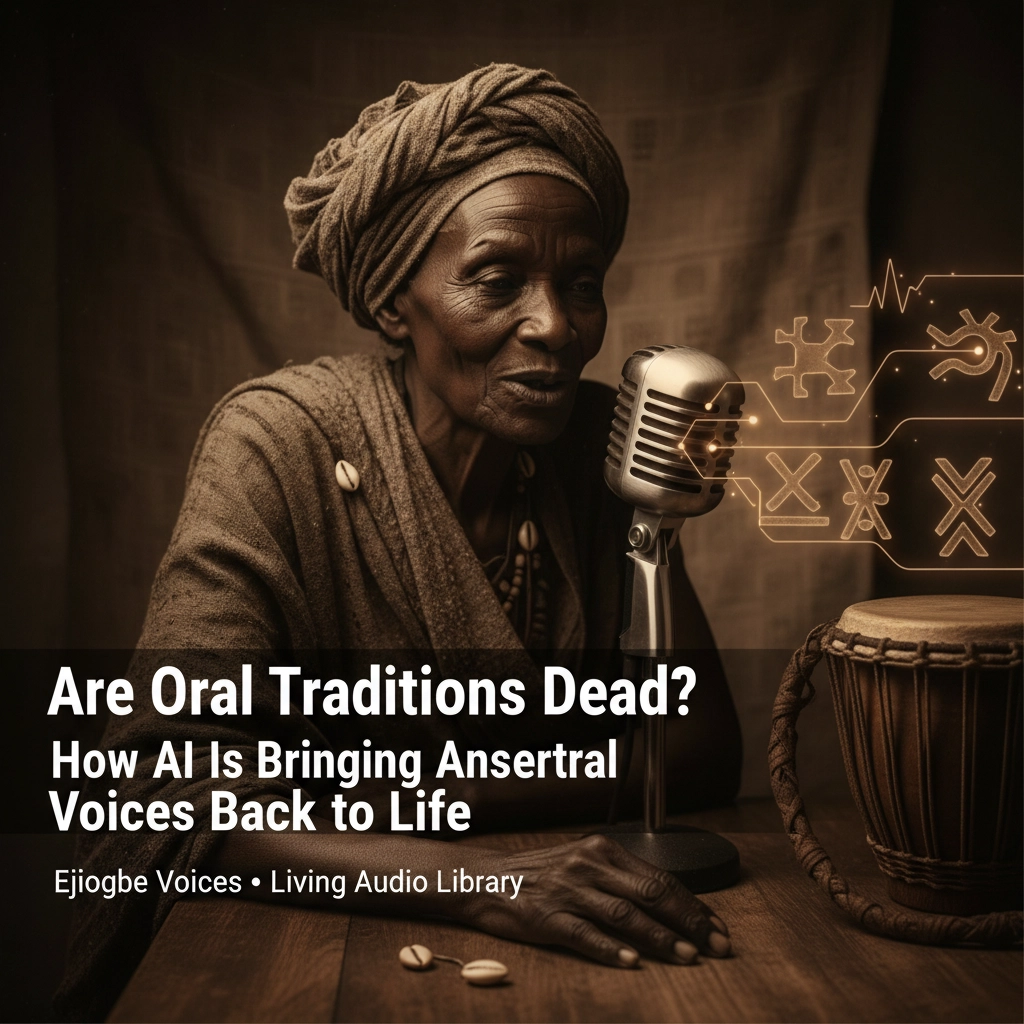


Picture this: Your grandmother's stories are sitting in a shoebox, slowly fading away. You know they need to be preserved, but where do you turn? The big tech companies with their shiny platforms, or your local community group that's been quietly collecting neighborhood histories for years?
This isn't just about storage space – it's about who gets to control your family's legacy and how your ancestral wisdom gets shared with future generations.
What Are Community Archives, Really?
Think of community archives like a neighborhood garden where everyone contributes and everyone benefits. These are grassroots efforts where local people come together to preserve their own stories, traditions, and knowledge. Instead of handing everything over to some distant institution, the community keeps control.
Community archives might look like a group of elders in your neighborhood recording oral histories in someone's living room, or a cultural center collecting traditional recipes and healing practices. The key difference? The community decides what gets preserved, how it's organized, and who can access it.

These archives operate on trust and relationships. When Mrs. Johnson shares her great-grandmother's migration story, she knows exactly who's going to hear it and how it'll be used. There's no fine print to worry about, no algorithm deciding what's "relevant," and no company that might disappear overnight.
The Commercial Platform Reality Check
Now let's talk about the other option – commercial platforms. These are the Googles, Spotifys, and social media giants of the world. They offer convenience that's hard to ignore: professional-grade recording tools, cloud storage that never runs out, and the ability to share your content with millions of people instantly.
But here's where it gets tricky. When you upload your grandfather's songs to a commercial platform, you're essentially moving into someone else's house. Sure, the amenities are nice, but you don't control the thermostat, you can't paint the walls, and the landlord can change the rules whenever they want.
These platforms treat your ancestral wisdom like any other content – something to be indexed, analyzed, and potentially monetized. Your sacred stories might end up in an AI training dataset, or your traditional songs could be recommended alongside completely unrelated content.
The Real Differences That Matter
Control and Ownership
In a community archive, your family's wisdom stays in your family's hands. You decide if your grandmother's prayers should be shared with everyone or kept within the community. You control who can listen, when, and under what circumstances.
Commercial platforms flip this dynamic. Even when they say you "own" your content, their terms of service often give them broad rights to use, analyze, and distribute your materials. Your sacred knowledge becomes part of their business model.
Cultural Context
Here's something commercial platforms struggle with: cultural nuance. They can't understand that certain stories should only be shared during specific seasons, or that some knowledge requires initiation to truly comprehend. Their algorithms don't recognize the difference between entertainment and sacred tradition.
Community archives, on the other hand, are built by people who understand the cultural protocols. They know which stories need special handling and why context matters as much as content.

Long-term Stability
This might surprise you, but community archives often outlast commercial platforms. Remember Vine? MySpace? Platforms come and go, but communities endure. When a tech company shuts down, your data might disappear forever. When a community archive faces challenges, the community rallies to preserve what matters most.
Real-World Analogies That Make Sense
Think of it like choosing between a bank vault and a community safe house for your most precious belongings.
The bank vault (commercial platform) has high-tech security, climate control, and professional management. But you can only access your items during business hours, following their procedures, and you're trusting a corporation that might merge, get bought out, or change policies.
The community safe house (community archive) might look less fancy, but it's run by people you know and trust. You have a key, you help make the rules, and if something goes wrong, you're all working together to fix it.
Getting Started with Community Archiving
Ready to explore the community route? Here's how you can get involved:
Start Small and Local
Look around your neighborhood or cultural community. Is there a senior center, library, or cultural organization already collecting stories? Offer to help with their existing efforts before starting something new.
Build Relationships First
Community archiving is built on trust. Spend time getting to know the elders and storytellers in your community. Listen before you record. Understand their concerns and priorities.
Learn Basic Recording Skills
You don't need expensive equipment to start. A smartphone with a good recording app can capture high-quality audio. Focus on learning proper interview techniques and respectful documentation practices.

Create Community Guidelines Together
Work with your community to establish protocols. Who can access what materials? How should sensitive content be handled? What happens to the archive if key volunteers move away?
Plan for the Future
Think beyond the initial enthusiasm. How will you organize and maintain the collection? Who will take over when current volunteers can't continue? Building sustainability into community archives requires ongoing commitment.
The Hybrid Approach That Works
Here's something most people don't consider: you don't have to choose just one path. Many successful community archives use a hybrid approach.
They might use commercial tools for digitization and backup while keeping community control over access and governance. For example, you could record interviews using professional software, store master copies in community-controlled servers, and only share appropriate materials on public platforms.
The key is maintaining community ownership while leveraging useful technology. Think of commercial platforms as tools you use, not masters you serve.
Making the Decision That's Right for You
So which approach protects your ancestral wisdom better? The honest answer depends on your specific situation and values.
Choose community archives when preserving cultural protocols and maintaining community control matters more than convenience. This path requires more work upfront but offers genuine cultural sovereignty over your heritage.
Consider commercial platforms when you need immediate solutions and broad accessibility, but understand the trade-offs you're making. Your content becomes part of a larger system that you don't control.
For many families and communities, the best protection comes from building local capacity while strategically using commercial tools. Start with community control and add commercial elements only when they serve your community's goals.
Your Ancestral Wisdom Deserves Thoughtful Protection
At the end of the day, your family's stories, traditions, and knowledge are irreplaceable treasures. They deserve more thoughtful protection than just uploading them to whatever platform is most convenient.
Whether you choose community archives, commercial platforms, or a hybrid approach, make sure you're making an intentional decision based on your values and your community's needs. Your ancestors' wisdom has survived this long because previous generations took care to preserve and protect it.
Now it's your turn to be that careful guardian for the generations that follow.
The choice isn't just about technology – it's about who gets to tell your story and how your wisdom lives on in the world. Choose wisely, because once you hand over control, getting it back can be nearly impossible.