

Hear the Voices, Feel the Wisdom
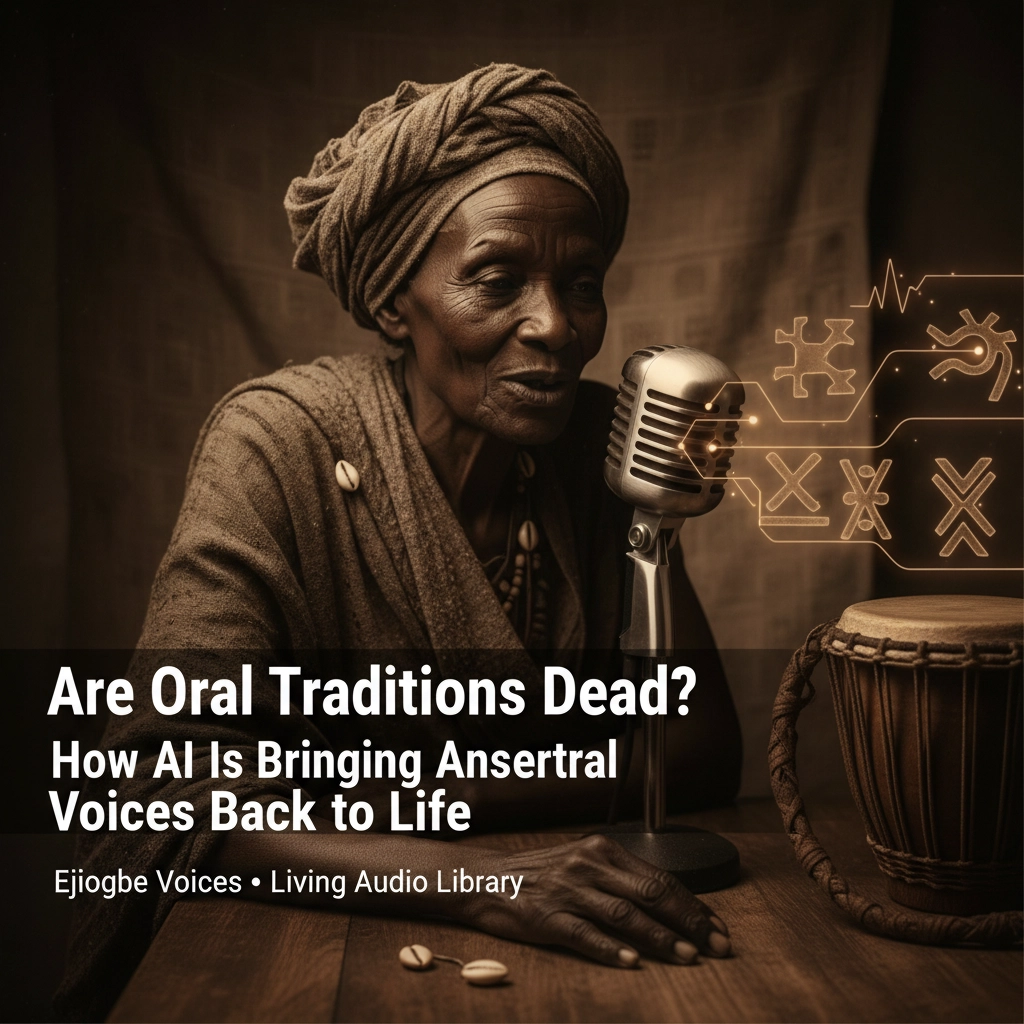
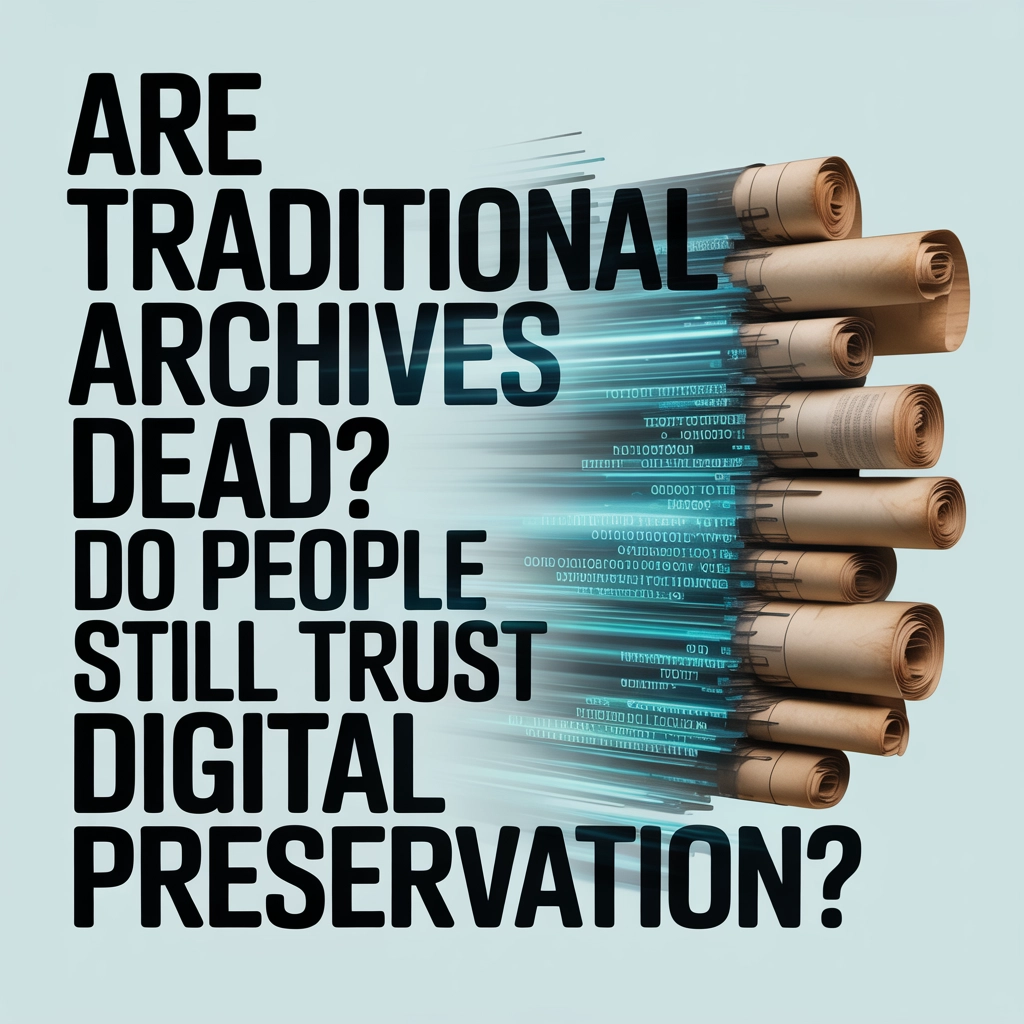
Community-led archives are far from a dying tradition. In fact, they are the sacred pulse of cultural survival: powered by elders, storytellers, and everyday recorders who refuse to let ancestral knowledge be swallowed by digital giants or lost in the feed of algorithmic memory. Across Africa and its global diaspora, elders are reclaiming their space at the heart of knowledge-keeping, bravely pushing back against the wave of tech exploitation.
What Is a Community-Led Archive?
At its core, a community-led archive is a legacy constructed by the people, for the people. It’s where families, faith circles, ethnic groups, and local communities:
- Name what’s sacred or valuable to preserve
- Gather and record stories, chants, prayers, recipes, oral histories, artwork, and other forms of wisdom
- Decide how knowledge is kept, where it’s shared, and who gets access
Unlike commercial archiving or institutional histories, these archives are not static libraries of the past: they are living vessels for collective memory, justice, and cultural imagination.

Community Archives in the Digital Age: Not Just Surviving: Thriving
Far from fading, community-led archives today are more active and urgent than ever. The 1970s and 1980s saw a massive surge in grassroots archiving: underrepresented groups and town elders, often overlooked by mainstream historians, began building their own repositories of struggle, victory, and heritage. Now, digital tools amplify that mission: transforming rooms of cassette tapes and hand-written journals into global troves accessible across continents.
Why does this matter?
Because:
- Our languages, chants, and prayers risk erasure if not intentionally recorded and protected
- Outside tech corporations often frame African knowledge as “data”: something to be mined, not understood or honored
- Knowledge, disconnected from its roots, can easily be commercialized, distorted, or lost forever
The New Face of Tech Exploitation
Today, tech platforms promise preservation but often come with fine print: loss of ownership, commercialization of sacred materials, and exploitation of voices. For too long, outside companies have:
- Harvested stories and oral teachings for AI datasets, often without consent
- Placed ads beside prayers and personal narratives, profiting from sacred content
- Held intellectual property rights over community heritage, restricting how it’s shared or re-used
This is not innovation; it’s a modern form of extraction: what some call digital colonialism.
Elders Leading the Resistance: How Are They Taking Action?
Elders are not passive witnesses to this trend. Across Africa and the wider diaspora, elders and knowledge keepers are charting a new path:
1. Rejecting Commercial Platforms for Community-Owned Spaces
Rather than uploading oral histories or spiritual teachings to social media or commercial “memory banks,” communities are building their own digital repositories. This lets them:
- Set the rules for privacy, access, and sharing
- Keep revenue and recognition within the community
- Honor context: ensuring that prayers, stories, and rituals stay whole and meaningful
2. Creating Codes of Respectful Use
Elders are helping draft guidelines that teach younger generations: and outside partners: how to treat digital wisdom with care. That means:
- Seeking consent before sharing someone’s story or song
- Not separating language, song, or ritual from its spiritual or cultural context
- Vetting where and how sacred materials appear online

3. Using Tech Strategically, Not Blindly
There’s a difference between using technology and being used by it. Elders are:
- Leveraging encrypted audio archives and private, password-protected platforms
- Recording stories in native languages, with field notes and commentary to preserve nuance
- Partnering with community-driven tech like Ejiogbe Voices that centers autonomy and cultural integrity
4. Passing Down Traditions: On Their Own Terms
Digital storytelling is now a multigenerational effort. Elders guide the curation process, teaching youth how to blend smartphones and ancestral protocols:
- Training youth to document festivals, proverb-giving, chants, and linguistic subtleties
- Holding in-person listening sessions that unite voices from across generations
- Ensuring that elders’ own narratives are at the center, not just appended as “footnotes”
What Real Digital Sovereignty Looks Like
Digital sovereignty means owning our wisdom, owning our platform, and owning the way our stories are told. In practice, that looks like:
- Community-governed platforms: Decisions about privacy, language, and structure are made collectively
- Transparent partnerships: Only working with tech collaborators who serve community interests
- Economic control: Revenues, recognition, and creative credit stay with the knowledge keepers and their descendants

Real-World Examples
- Yoruba Elders Circles in Nigeria have digitized Itan (oral tradition) so that young children, even those growing up internationally, can hear ancestral voices, complete with explanatory footnotes and spiritual context.
- Soweto Oral History Project in South Africa preserves stories of liberation struggle but restricts commercial re-use outside educational settings.
- Haitian Vodou Temple Archives have started using private, encrypted repositories to protect sacred chants and ritual knowledge from being algorithmically “remixed” or misrepresented.
These aren’t exceptions: they’re blueprints for action.
Why This Matters: For All Of Us
When community-led archives thrive, so does cultural pride, intergenerational connection, and global respect for indigenous knowledge. This model:
- Strengthens collective identity and bridges the gap between elders and youth
- Promotes healing and historical justice by telling stories on our own terms
- Shields prayers, medicine, and teachings from commodification
But digital sovereignty does not happen by accident. It requires intention, collaboration, and ongoing vigilance against platforms that see heritage as nothing more than a dataset.
How to Support Elder-Led Archives (And Why You Should)
- Listen first. Spend time in in-person or digital listening circles. Let elders set the pace and boundaries.
- Champion tech designed for, by, and with communities. Support platforms where elders hold the keys: not just the account passwords but true ownership of material and decisions.
- Share knowledge responsibly. Before forwarding a sacred chant, proverb, or prayer, reflect: Is this how the source wants it used?
- Get involved with projects like Ejiogbe Voices. We work hand-in-hand with elders, linguists, and cultural leaders to keep heritage whole and voices centered.

The Future Is Ancestral
Community-led archives are very much alive: and evolving. The elders leading these movements aren’t just gatekeepers; they are visionary architects, making heritage indestructible and globally accessible, but always on their terms.
The resistance to tech exploitation is bigger than copyright: it’s about dignity, spiritual integrity, and making sure future generations hear the fullness of our ancestral voices.
Let’s amplify their work, learn from their protocol, and ensure our wisdom isn’t just preserved, but protected and honored.
Want to support elder-led digital archiving? Learn more and join our movement at Ejiogbe Voices.