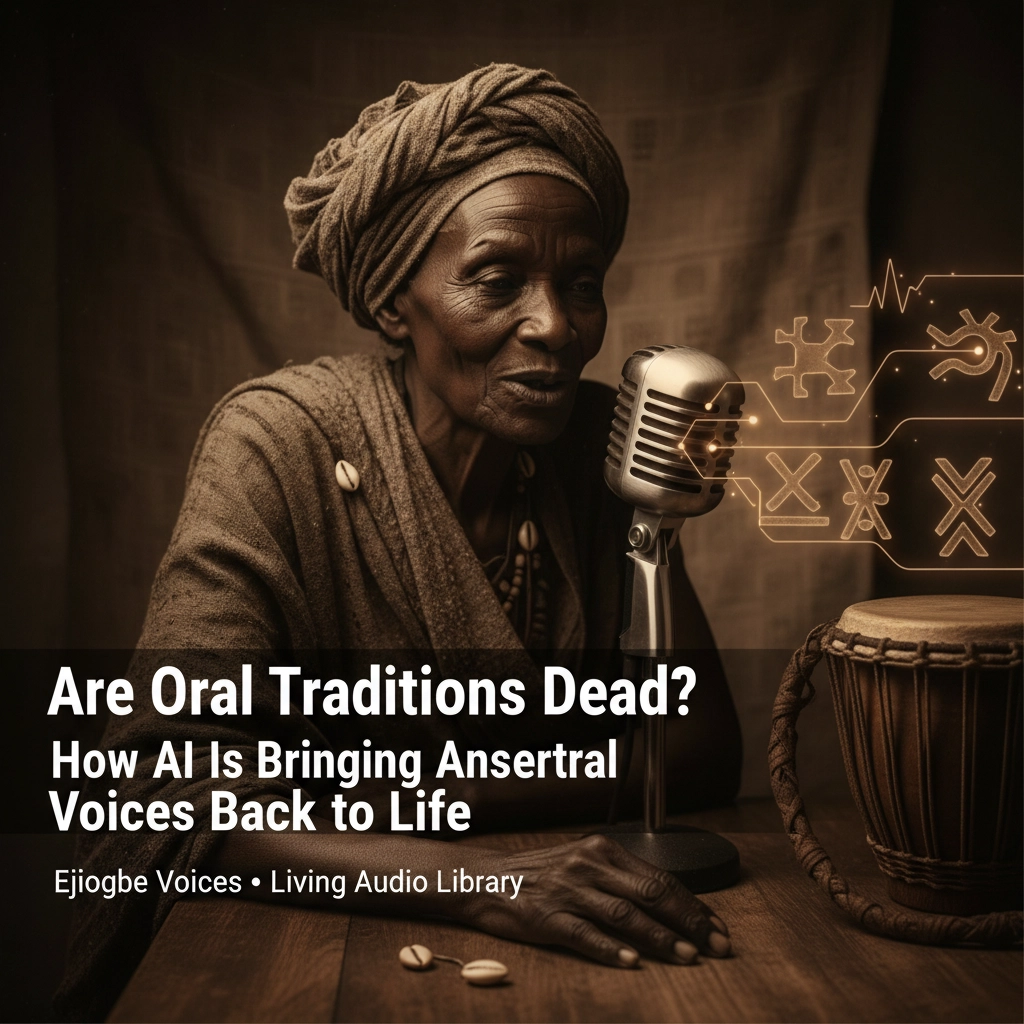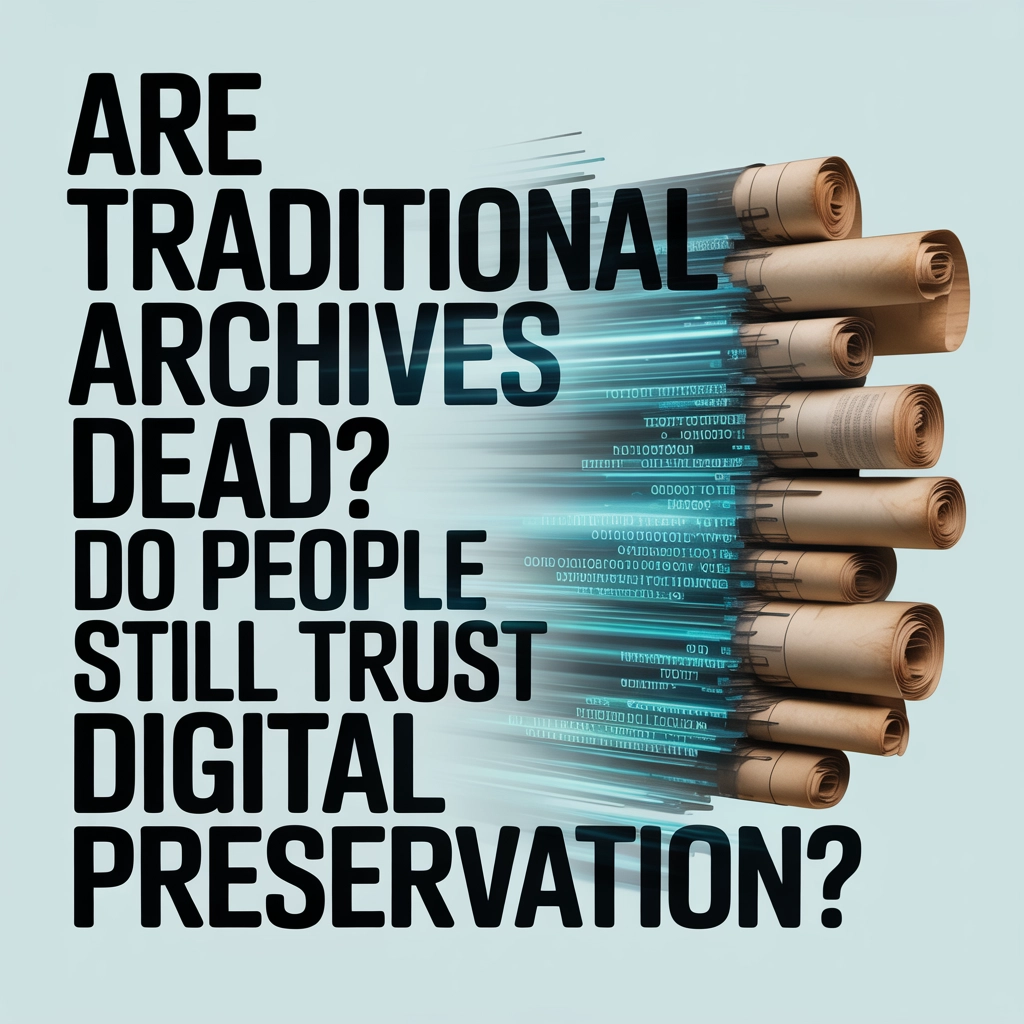

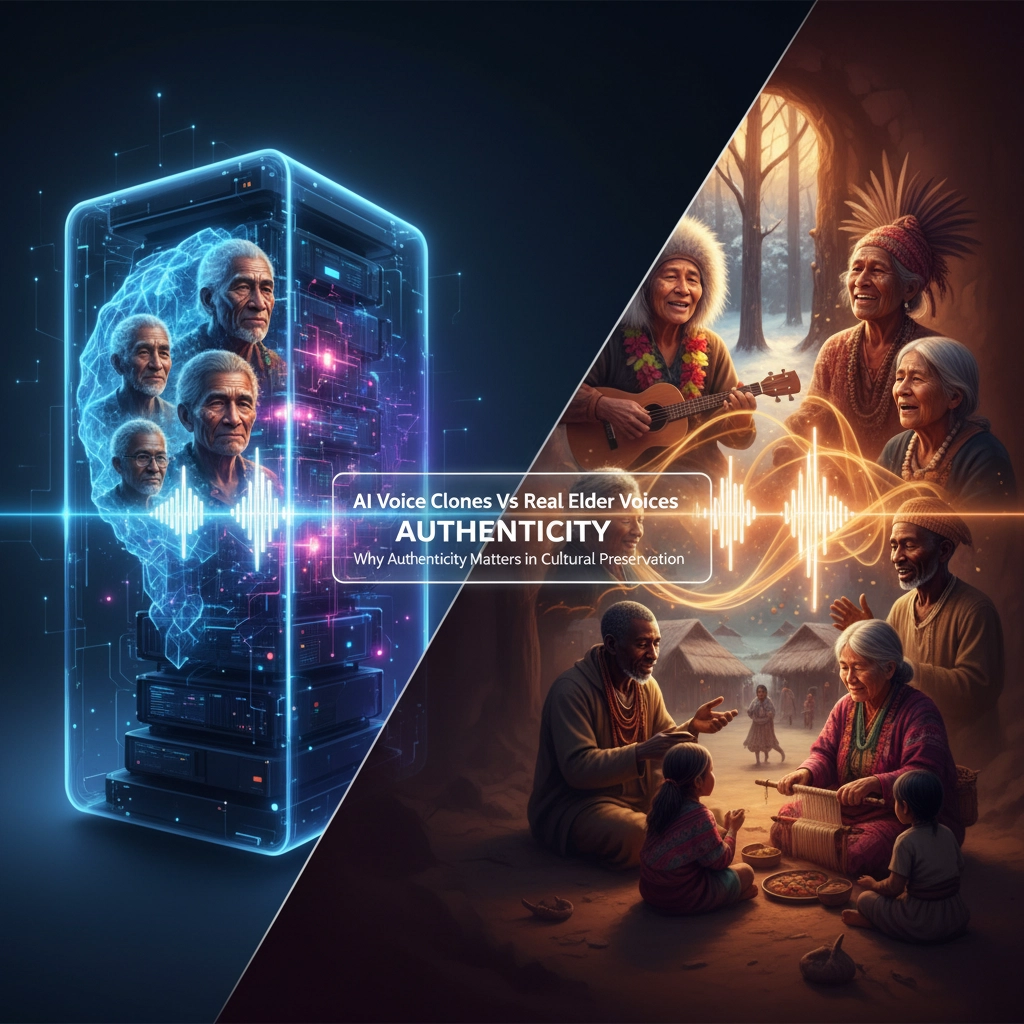
The conversation around artificial intelligence and cultural preservation has reached a pivotal moment. As voice cloning technology advances to near-human fidelity, we find ourselves asking a profound question: can synthetic voices truly carry the weight of ancestral wisdom, or do authentic elder voices hold something irreplaceable?
At Ejiogbe Voices, we believe the answer lies not in choosing sides, but in understanding how both authentic and artificial voices can serve cultural preservation when used thoughtfully and ethically.
The Current Reality of Voice Cloning Technology
Modern AI voice cloning has achieved remarkable sophistication. Today's systems can analyze acoustic patterns, prosody, and speech characteristics to create synthetic voices that often fool the average listener. Research shows that voice clones and human voices are now "consistently perceived" as similarly authentic by most people.

However, this technical achievement masks a deeper truth. While AI can capture tone, pitch, accent, and rhythm, it struggles with the complete spectrum of human vocal nuance. Real elder voices carry accumulated characteristics shaped by decades of living: subtle breathing patterns, emotional inflections, and the weight of lived experience that emerges naturally through speech.
These elements represent more than acoustic data; they embody the very essence of cultural identity and historical continuity.
Why Authentic Elder Voices Remain Irreplaceable
Voices as Living Heritage
When we hear an elder speak in their native tongue, we're experiencing far more than language transmission. Their voice carries the authority of lived experience, cultural connection, and communal memory that cannot be fully replicated through algorithmic training.
Consider the preservation of Indigenous languages like Cree and Ojibwe. While voice cloning technology has been employed in language-learning applications, these tools work most effectively when complementing: not replacing: recordings of actual elder speakers. The authenticity of a real elder voice provides learners with a genuine cultural reference point that contextualizes language within its proper framework.
The Emotional and Spiritual Dimensions
Authentic elder voices create emotional connections that synthetic voices struggle to achieve. The slight imperfections: natural pauses, emphasis patterns developed over a lifetime, the gentle tremor of age: communicate authenticity and emotional resonance in ways that touch the soul.

These vocal characteristics aren't flaws to be corrected by AI; they're features that tell the story of a life lived, wisdom gained, and culture preserved through human experience.
Finding Harmony: Complementary Roles in Cultural Preservation
Rather than viewing AI clones and authentic voices as competitors, we can recognize their complementary functions in safeguarding cultural heritage.
Authentic Voices as Primary Sources
Real elder voices serve as irreplaceable primary documentation. Recording authentic speakers: particularly those fluent in endangered languages: creates definitive cultural records that capture not just language but the full embodied expression of cultural knowledge.
These recordings become sacred repositories of wisdom, ensuring that future generations can hear the actual voices of their ancestors.
AI as an Extension Tool
Voice cloning technology shines when it extends the reach and accessibility of authentic recordings. Synthesized voices can:
- Narrate educational content across multiple languages while maintaining original voice characteristics
- Create inclusive learning environments for diverse audiences
- Generate dynamic content where repeated recording of original speakers isn't feasible
- Preserve communication abilities for individuals facing voice loss due to medical conditions

The key lies in transparency and proper attribution, ensuring audiences always understand whether they're hearing an authentic recording or AI-generated synthesis.
Ethical Foundations for Voice Preservation
The Transparency Imperative
Every cultural preservation effort must be built on complete honesty about sources. When voice cloning is employed, communities and audiences must understand exactly what they're hearing. Misrepresentation undermines trust and can distort historical and cultural understanding.
Community Consent and Control
Legitimate voice preservation requires informed consent from native speakers and meaningful engagement with cultural organizations. Authentic elder voices should never be cloned or synthesized without explicit permission from both the individual and their community.
This principle protects cultural sovereignty and prevents the commodification of voices: particularly significant given historical patterns of cultural appropriation.
Safeguarding Against Misuse
The greatest danger lies not in voice cloning technology itself, but in its potential misuse. Using cloned voices to create false statements attributed to elders, or allowing AI-generated content to displace authentic recordings in cultural archives, represents a profound betrayal of preservation goals.
Our Strategic Vision for Cultural Voice Preservation
At Ejiogbe Voices, we've developed a framework that honors both technological innovation and cultural authenticity:
Archive Priority: We prioritize recording and preserving actual elder voices as primary sources, especially for endangered languages and cultural practices that risk being lost forever.
Transparent Integration: When AI voice tools are employed, we clearly label synthesized content while highlighting the availability of authentic recordings, ensuring users always know the source.
Community Stewardship: We ensure communities maintain control over their linguistic and cultural heritage, determining when and how their voices: authentic or synthetic: are used in preservation efforts.

Educational Enhancement: We use voice cloning to extend educational reach and accessibility without positioning it as a replacement for authentic cultural documentation.
The Path Forward: Technology in Service of Tradition
The most powerful cultural preservation happens when technology serves tradition rather than replacing it. AI voice cloning becomes a valuable ally when it helps amplify authentic voices, making them accessible to broader audiences and future generations.
This approach requires us to ask different questions: How can technology help us better preserve and share the wisdom of our elders? How can AI tools make authentic cultural voices more accessible without compromising their integrity?
Building Bridges, Not Walls
The future of cultural preservation lies in building bridges between ancient wisdom and modern technology. When we record an elder sharing traditional stories, we create a permanent testimony to their knowledge and experience. When we use AI tools to help translate or adapt that content for global audiences, we extend the reach of that wisdom while maintaining its authentic source.
Preserving What Matters Most
In the end, authenticity matters in cultural preservation because it maintains the integrity of cultural knowledge, honors community authority over cultural heritage, and ensures future generations encounter their heritage through genuine human expression rather than algorithmic approximation.
The voices of our elders carry more than words: they carry the breath of ancestors, the weight of wisdom, and the promise of continuity. Technology's greatest service lies not in replacing these voices, but in helping us preserve, honor, and share them with the reverence they deserve.
At Ejiogbe Voices, we're committed to this sacred work. We believe that by combining the irreplaceable authenticity of elder voices with the accessibility of modern technology, we can build bridges that connect generations and preserve the wisdom that guides us forward.
Experience the power of authentic cultural preservation. Visit Ejiogbe Voices to learn how we're safeguarding ancestral wisdom for future generations.