

Every time an elder shares a traditional story with Alexa listening nearby, every prayer recorded on a smartphone, every sacred song uploaded to social platforms: our ancestral voices are being captured, analyzed, and monetized by corporations that have no connection to our communities or understanding of their sacred nature.
The voices of our ancestors carry profound wisdom. They hold prayers passed down through generations, traditional healing knowledge, and cultural teachings that shape our identity. Yet Big Tech companies are systematically collecting this irreplaceable heritage as raw data, stripping away its sacred context and converting our most precious cultural assets into profit margins.
The Silent Extraction of Sacred Knowledge

Big Tech's voice data collection operates like digital mining: extracting valuable cultural resources from our communities without our full understanding of what we're surrendering. When Amazon's Alexa devices sit in homes where elders share traditional stories, when Google Assistant records family prayers, when Facebook's voice messaging captures sacred songs, these platforms are harvesting far more than convenient voice commands.
Voice recognition technology can now identify emotional states, detect health conditions, and extract intimate personal details from vocal patterns and tone. For traditional communities, this means the subtle inflections that carry spiritual meaning, the specific pronunciations that preserve ancient languages, and the rhythmic patterns that define our cultural identity are all being catalogued and analyzed by algorithms designed for commercial purposes.
The worldwide voice recognition market surpassed $3.5 billion in 2021 and is projected to reach $10 billion by 2028. This explosive growth is fueled by the cultural wealth embedded in our voices: yet communities whose ancestral knowledge creates this value rarely benefit from the profits generated.
When Sacred Becomes Data
Traditional knowledge systems operate on principles of respect, relationship, and reciprocity. Sacred songs are shared within ceremonial contexts, healing knowledge is passed from mentor to student through careful relationship-building, and cultural stories are told with specific intentions and proper protocols.
Big Tech platforms operate on entirely different principles. They collect voice data to improve artificial intelligence systems, target advertising, and develop products that generate revenue. When an elder's traditional healing song gets captured by a voice assistant, it becomes training data for AI systems that may eventually commercialize that wisdom without any acknowledgment of its cultural origin or sacred nature.
This extraction happens through seemingly innocent interactions:
- Smart speakers recording background conversations during family gatherings
- Social media platforms analyzing voice messages containing cultural content
- Video calls where traditional teachings are automatically transcribed and stored
- Mobile apps that request microphone permissions to capture ambient audio
The Deepfake Threat to Cultural Authenticity

Perhaps the most disturbing development is how collected voice data enables the creation of deepfake audio that can perfectly mimic our elders' voices. Criminal organizations have already used this technology to steal millions: in one case, deepfake audio tricked a Hong Kong bank into transferring $35 million by impersonating a corporate attorney.
For traditional communities, deepfake technology poses unique cultural threats. Imagine hearing what appears to be your grandmother's voice sharing false traditional knowledge, or a respected elder's voice being used to endorse products that contradict cultural values. The technology that enables these abuses is being built using voice data extracted from our own communities.
Taking Back Control: Practical Steps for Communities
Establish Sacred Technology Protocols
Just as our communities have protocols for sharing traditional knowledge in physical spaces, we need digital protocols for protecting ancestral voices. Create family and community agreements about when recording devices should be turned off during cultural activities. Establish clear boundaries around what sacred content can be shared through digital channels.
Audit Your Digital Environment
Review every voice-enabled device in spaces where cultural knowledge is shared. Smart TVs, gaming consoles, tablets, and even some appliances now include always-listening microphones. Create "sacred spaces" in homes and community centers where no recording devices are present during traditional activities.
Implement Community Safe Words
AI voice scams specifically target families by cloning voices of loved ones to create fake emergency scenarios. Establish community-wide safe words that only trusted members know. This simple protocol can immediately verify whether urgent calls from family members are legitimate or AI-generated deceptions.
Control Voice Assistant Settings
Most people never adjust the default privacy settings on voice assistants. Take these steps:
- Disable voice purchasing and sensitive information access
- Turn off personalized ads based on voice data
- Regularly delete stored voice recordings
- Use voice assistants' "mute" functions during cultural activities
- Review which third-party apps have microphone permissions
Building Community-Controlled Alternatives

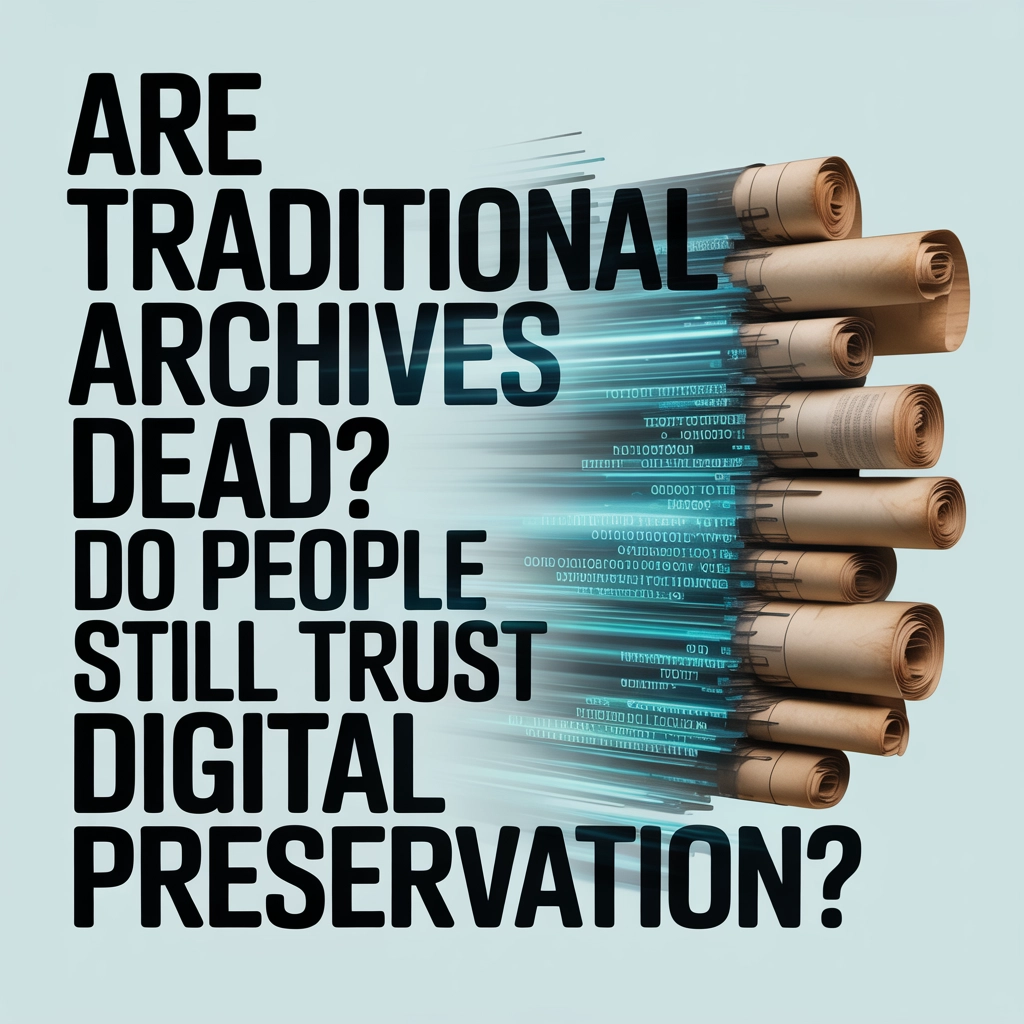
The most powerful response to Big Tech extraction is creating our own culturally-appropriate platforms for preserving and sharing ancestral voices. Community-controlled digital archives operate according to traditional protocols, ensuring that sacred knowledge remains within appropriate cultural contexts while still being preserved for future generations.
These alternatives prioritize:
- Cultural Protocols: Respecting traditional rules about who can access different types of knowledge
- Community Ownership: Ensuring the community retains control over their cultural data
- Intergenerational Connection: Facilitating meaningful relationships between elders and youth
- Privacy by Design: Building systems that protect cultural knowledge from extraction
When communities control their own digital cultural preservation, they can ensure that ancestral voices remain connected to their proper cultural context rather than becoming decontextualized data points in corporate algorithms.
Legal Protections and Community Advocacy
Current legal frameworks offer inadequate protection for traditional communities' cultural data. Only four states: California, Texas, Washington, and Illinois: have enacted laws specifically addressing voice data collection, with Illinois maintaining the strongest protections requiring written consent before collection.
Traditional communities can advocate for stronger legal protections by:
- Supporting Indigenous data sovereignty legislation
- Advocating for community consent requirements for cultural data collection
- Pushing for "right to deletion" laws that include cultural considerations
- Working with tribal governments to establish data protection protocols
The Path Forward: Digital Self-Determination

Protecting our ancestral voices requires moving beyond simply defending against Big Tech extraction toward actively building digital tools that serve our communities' values and needs. This means investing in platforms designed by and for traditional communities, supporting Indigenous technologists, and creating digital infrastructure that strengthens rather than weakens cultural connections.
The voices of our ancestors deserve to be preserved and shared according to the same principles of respect and reciprocity that have always governed traditional knowledge systems. When we take back control of our digital cultural preservation, we ensure that future generations will hear authentic ancestral wisdom rather than AI-generated approximations created from extracted data.
Your ancestors' voices carry irreplaceable wisdom that belongs to your community. By understanding how Big Tech extracts cultural value and implementing community-controlled alternatives, we can preserve this sacred heritage while maintaining the cultural protocols that give it meaning.
The choice is ours: allow our ancestral voices to become corporate data, or reclaim control and ensure they remain connected to the communities and cultures that give them life. Our ancestors trusted us to protect their legacy: now it's time to extend that protection into the digital realm.
Learn more about community-controlled cultural preservation and join the movement to protect ancestral voices from digital extraction.